Renting often feels like a constant trade-off: you get a roof over your head, but not much say in how things are run.

Many tenants assume they just have to accept whatever their landlord says or ignore small issues to avoid rocking the boat. However, the truth is, renters have far more rights and leverage than they often realise. From repairs and safety checks to privacy and deposits, there are clear rules landlords have to follow. You don’t have to live with broken heating, dodgy electrics, or unannounced visits just to keep the peace.
Knowing what you can rightfully ask for doesn’t make you a “difficult tenant,” either. It makes you an informed one, and that can completely change how secure and respected you feel in your home.
Urgent repairs to damp and mould issues

With Awaab’s Law coming into effect, social housing tenants can now demand that landlords inspect damp and mould within 10 working days and fix it within five days after inspection. Serious cases affecting health need to be looked at within 24 hours. This is legally enforceable, and landlords who don’t comply can face legal action.
Private renters don’t have these exact timescales yet, but you can still report damp and mould as a hazard to your local council’s environmental health team. They have powers to force landlords to fix it. Don’t just accept being told to open windows more when there’s clearly a structural problem causing it.
A proper working heating system throughout winter
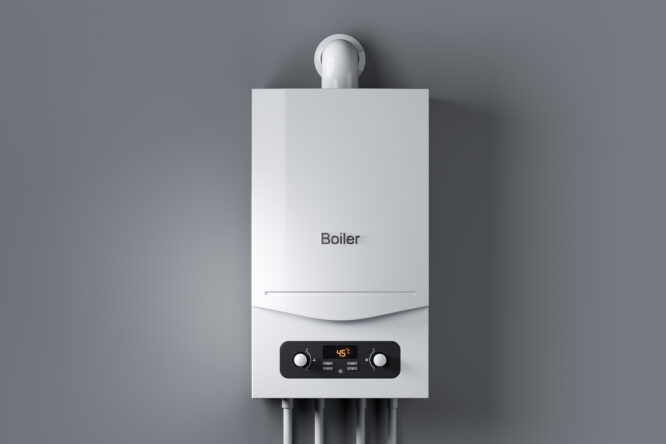
Your landlord is legally required to provide heating that works properly. If your boiler breaks or radiators don’t work, that’s an emergency repair they need to sort quickly, especially in winter. You’re not being demanding by expecting to be warm in your own home.
Many tenants put up with inadequate heating because they don’t want to bother the landlord or worry about rent increases. But being cold in your home isn’t something you should accept. If they’re not fixing it, contact your local council’s housing team, who can intervene.
Actual reasons before entering your property

Your landlord can’t just turn up whenever they fancy. They need to give you at least 24 hours notice and have a legitimate reason for visiting. “Just checking in” or repeated unnecessary inspections aren’t acceptable. It’s your home, and you have a right to privacy.
Some landlords act like they own the place and can access it whenever, which technically they do own it, but you’re paying to live there and have legal rights. You can refuse entry if they haven’t given proper notice or don’t have a valid reason. They can’t just let themselves in because they have keys.
Protection of your deposit in a government scheme

Every deposit must be protected in a government-approved scheme within 30 days of you paying it. Your landlord also has to give you details of which scheme they’ve used. If they haven’t done this, you can take them to court and potentially get between one and three times your deposit back as compensation.
Loads of landlords either don’t protect deposits properly or don’t provide the required information. Many tenants don’t realise this is actually a legal requirement with real consequences if it’s not followed. Check if your deposit is protected and if you haven’t received the paperwork, chase it up.
Repairs to things that affect your health and safety
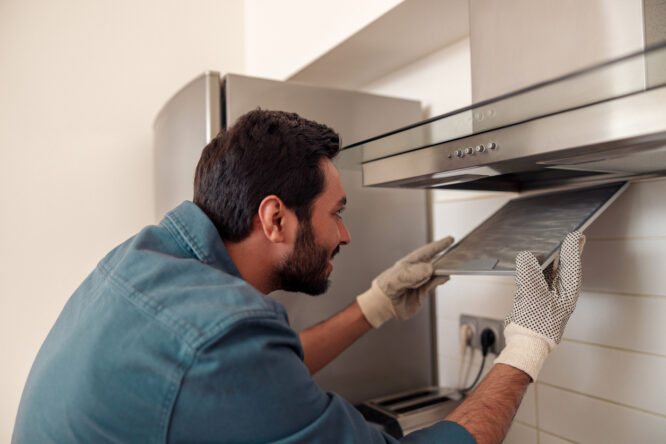
Landlords are legally obliged to fix anything that’s a hazard to your health and safety. This includes things like broken locks, exposed wiring, gas leaks, structural damage, broken windows, faulty electrics and leaking roofs. These aren’t favours they’re doing you, they’re legal requirements.
If your landlord is dragging their feet on safety issues, you can report them to the local council, who have enforcement powers. The council can inspect the property and force repairs to be done. You’re not being difficult by expecting your home to be safe.
Written proof of any agreement or arrangement

Everything should be in writing. If your landlord agrees to something verbally, get it confirmed in an email or text. Agreements about repairs, changes to rent, permission to have pets, end of tenancy arrangements, all of it needs to be documented. Verbal agreements are worth nothing when there’s a dispute.
Landlords often rely on tenants not having proof of what was agreed. “I never said that” becomes their defence when you’ve got no evidence. Protect yourself by making sure anything important is written down. If they won’t put it in writing, that’s a red flag about whether they’ll actually follow through.
A gas safety certificate every year

If your property has gas, your landlord must arrange an annual gas safety check by a Gas Safe registered engineer and provide you with a copy of the certificate. This isn’t optional, it’s the law. No certificate means they’re breaking regulations and potentially putting you at risk.
Many tenants don’t ask to see the gas safety certificate because they don’t know they should get one automatically. If you haven’t received one, ask for it. If they can’t provide it, they’re in breach of safety regulations, and you can report them to the Health and Safety Executive.
An electrical safety certificate

Since 2020, landlords in England have to provide an electrical installation condition report at the start of a tenancy. The electrical system needs to be inspected at least every five years by a qualified electrician. You’re entitled to see this certificate and know your electrics are safe.
Dodgy electrics kill people, so this isn’t something to be casual about. If your landlord hasn’t provided this or the electrics seem dangerous, you can contact your local council, who can force them to get it checked. Flickering lights, blown fuses, or burning smells aren’t things to ignore.
Proper notice before eviction proceedings

Your landlord can’t just kick you out whenever they want. They need to follow proper legal procedures and give you the correct notice period. For Section 21 no-fault evictions, they currently need to give two months notice. For Section 8 evictions based on grounds like rent arrears, the notice period varies, but they still need legitimate reasons.
Many landlords try to intimidate tenants into leaving without following proper procedure. Some threaten immediate eviction or removal of belongings, which is illegal. Know your rights around notice periods and eviction processes. Illegal eviction is a criminal offence, and you can get help from your local council or Shelter England.
Reasonable adjustments if you’re disabled

Under the Equality Act, landlords have to consider reasonable adjustments if you’re disabled. This might include allowing modifications to make the property accessible, permitting assistance animals even if there’s a no-pets policy, or making changes to their policies that discriminate against disabled people.
What counts as reasonable depends on the situation, but landlords can’t just refuse because they don’t want to. Many disabled renters don’t realise they have these protections and accept discrimination as normal. You can challenge unfair treatment, and landlords who refuse reasonable adjustments can face legal consequences.
Freedom from discrimination

Landlords can’t discriminate against you because of protected characteristics like race, religion, disability, sexuality, gender, pregnancy, or having children. This includes both in the letting process and during your tenancy. Saying “no DSS” or refusing families with children is illegal, though many landlords still do it.
Discrimination in housing is often subtle or dressed up as something else, but if you suspect you’re being treated unfairly because of who you are, you can challenge it. Citizens Advice and Shelter can help you understand if what’s happening counts as discrimination and what you can do about it.
Windows and doors that actually lock properly

Your landlord has to provide secure entry doors and windows with working locks. If locks are broken or don’t work properly, that’s a repair they need to do. You shouldn’t be living somewhere you can’t secure properly because that’s both a safety risk and likely affects your insurance.
Some landlords are slow to fix security issues because they don’t see them as urgent. But you’re entitled to feel safe in your home and have basic security. If they’re not fixing broken locks, contact your council’s housing team, who can force the repair as it’s a health and safety issue.
A proper tenancy agreement before you move in

You should get a written tenancy agreement before or when you move in, not weeks later. This should clearly state the rent, deposit amount, length of tenancy, what’s included, and both parties’ responsibilities. If they’re being vague or won’t provide a proper agreement, that’s a warning sign.
Some landlords operate with casual arrangements or verbal agreements, which leaves tenants with no protection. Everything needs to be documented properly. If you don’t have a written agreement, you still have rights, but proving what was agreed becomes much harder. Always insist on getting everything in writing before handing over any money.