We’ve all heard the rumour: eat cheese before bed and brace yourself for bizarre, chaotic dreams.

Some people swear it’s true, while others dismiss it as complete nonsense. Either way, the idea has stuck around for centuries, and not just as a joke. And as it turns out, there’s actually some science (and some myth) behind the cheesy dream connection. So we did the digging for you. Here’s what’s really going on when your late-night cheddar snack seems to kick off a dream sequence worthy of a David Lynch film.
1. The cheese-dream myth has been around for ages.

The idea that cheese messes with your dreams isn’t new. It’s been whispered about since Victorian times, possibly even earlier. People back then blamed all sorts of nighttime chaos, from sleepwalking to ghost sightings, on food, and cheese was an easy scapegoat.
Back then, the science wasn’t there, so people ran with superstition. However, even today, the myth still floats around because, well… it kind of feels true sometimes. Who hasn’t had a weird dream and thought, “Was it that chunk of brie I ate at 10pm?”
2. Cheese contains tryptophan, and that affects sleep.
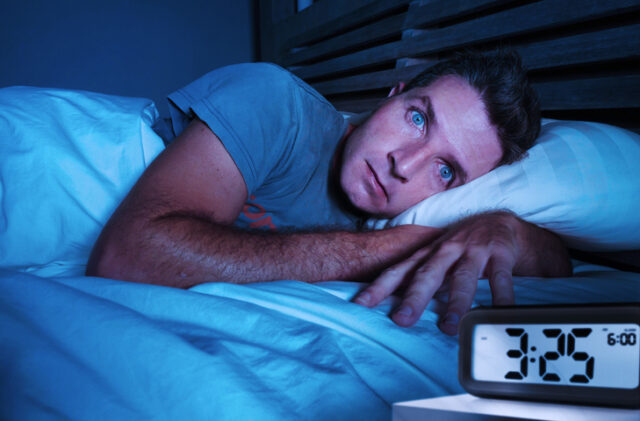
One actual reason cheese might mess with your sleep is tryptophan, an amino acid that helps your body make melatonin and serotonin. These regulate mood and sleep cycles, so in theory, it should help you relax, not send you spiralling into a fever dream. Here’s the catch, though: tryptophan doesn’t work in isolation. You’d need it combined with the right carbs and timing to really notice a difference. So yes, cheese can affect sleep… just not in the straight line most people assume.
3. The type of cheese might matter more than you think.

A small 2005 study by the British Cheese Board (yes, that’s a real thing) gave volunteers different types of cheese before bed to see what happened. They didn’t report nightmares, but different cheeses were linked to different types of dreams. For example, Stilton apparently led to weirder, more vivid ones.
It’s not hard science, but it’s interesting. The age, fat content, and type of bacteria in a cheese could theoretically interact with digestion and your gut-brain connection in subtle ways. So, maybe blue cheese really is the dream wildcard.
4. High-fat foods close to bedtime can mess with your sleep.
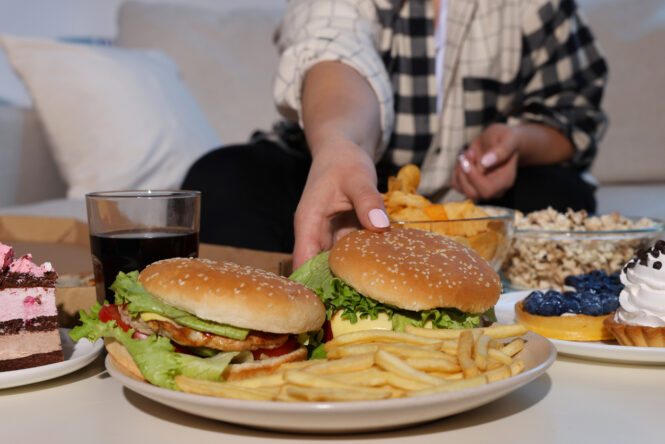
Cheese is rich and fatty, and that’s part of why it’s satisfying. However, eating something heavy right before bed can mess with digestion, raise your body temperature, and disrupt your sleep cycles. That doesn’t automatically mean nightmares, but it might mean more fragmented sleep.
And when your sleep is choppier, you’re more likely to wake up during dream-heavy REM stages, which could make your dreams feel more vivid or intense than usual. It’s not that the cheese caused the weirdness. It just left the door open for you to remember it.
5. Gut health could be the real link.

There’s growing evidence that your gut and brain are more connected than we once thought. What you eat affects your microbiome, and that can impact things like mood, anxiety, and yes, possibly dreams. Cheese, being a fermented food, interacts with that system in complex ways.
For some people, dairy causes inflammation or discomfort. For others, the probiotics in aged cheese actually support gut health. Depending on how your body responds, late-night cheese could either calm things down or stir them up without you realising it.
6. Sleep quality affects dream intensity,

Dreams happen during REM sleep, and the quality of your sleep can influence how vivid or memorable those dreams are. If cheese, or anything else, leads to lighter, more interrupted sleep, it can make those dreams feel stronger or weirder than normal.
It’s not that cheese is a dream drug. It’s more that anything affecting how deeply you sleep can turn the volume up on your dream recall. So if you’re tossing and turning all night, you might just be more aware of your inner movie reel than usual.
7. Your brain’s doing the real work; cheese just tags along.

Ultimately, your brain’s the main player in all of this. Your subconscious pulls from stress, memories, random thoughts, and the weird stuff you scrolled past earlier that day. Cheese doesn’t insert new ideas. It might just shake things loose enough for your brain to start a weird remix.
That’s why two people can eat the same slice and have completely different nights. One sleeps fine, the other dreams they’re being chased by a sandwich. The food might nudge the system, but your brain’s the one running the script.
8. The placebo effect is real, so if you believe cheese causes dreams, it might.

Belief plays a surprisingly big role in this. If you’ve heard your whole life that cheese gives you bizarre dreams, your brain might deliver just that because it’s expecting to. The power of suggestion is strong, especially with something as unpredictable as dreaming. That doesn’t make it fake. It just means your body and brain are more interconnected than we give them credit for. If you think cheese = wild dreams, your brain might just go, “Alright then, let’s get weird.”
9. Nightmares probably aren’t cheese’s fault.
Here’s the good news: there’s no solid scientific link between cheese and actual nightmares. If you’re dreaming about being chased or losing teeth, chances are that’s about stress, anxiety, or your subconscious working something out, not cheddar. That said, anything that messes with your digestion or sleep can increase the odds of a restless night. However, calling cheese the villain might be giving it more credit than it deserves. It’s just sitting there, being dairy. The drama’s all you.
10. Everyone reacts differently, of course.

As with most things in life, there’s no universal rule. Some people eat cheese before bed and sleep like babies. Others swear it makes their dreams louder, stranger, or more emotional. Your body chemistry, stress levels, and even your bedtime routine all play a role. If you’ve noticed a pattern, it’s valid. But don’t assume it’ll be the same for everyone, or even for yourself every night. Cheese might be a trigger one week and a total non-event the next. Your brain is weird like that.