That automatic reach for alcohol when you’ve got nothing to do isn’t really about the drink itself. It’s your brain desperately trying to escape the uncomfortable reality of being alone with your own thoughts. Boredom drinking reveals how poorly most people handle unstimulated time, and how much we rely on external things to make us feel okay about existing.
1. You’re using alcohol to fast-forward through empty time.
Drinking when bored is essentially hitting the skip button on hours of your life that feel pointless or uncomfortable. Alcohol makes time pass faster and makes doing nothing feel more tolerable, but you’re basically erasing chunks of your existence because sitting still feels unbearable.
Notice if you’re consistently using substances to make time disappear rather than finding ways to actually enjoy your downtime. If you need alcohol to get through your free time, something’s probably off with how you’re spending it.
2. Your tolerance for discomfort has completely disappeared.
Modern life has trained you to expect constant stimulation, so the natural human experience of occasional boredom feels intolerable instead of normal. You reach for alcohol because sitting with unstimulated feelings has become a skill you’ve lost rather than something you can simply handle.
Try sitting with boredom for short periods without immediately reaching for entertainment or drinks. Most people discover they can actually tolerate unstimulated time better than they think once they stop panicking about it.
3. You’re avoiding processing whatever’s actually bothering you.
Boredom often masks other feelings like loneliness, anxiety, sadness, or existential dread that your brain doesn’t want to face directly. Alcohol becomes a shortcut around emotional stuff that’s trying to surface, but those feelings just pile up when you keep sidestepping them.
Pay attention to what emotions show up when you sit quietly without distractions or drinks. The stuff you’re avoiding through boredom drinking might actually be important information about what needs attention in your life.
4. Your brain craves the dopamine hit that alcohol provides.

Alcohol triggers your reward system in ways that regular activities don’t, so your brain starts preferring chemical stimulation over natural sources of pleasure. Boredom becomes a trigger for looking for artificial rewards rather than finding genuine satisfaction in normal stuff.
Notice whether you can still find regular activities interesting without chemical enhancement. If everything feels boring unless you’re drinking, your brain might need time to remember how to enjoy things naturally.
5. You’re running from the anxiety of unstructured time.
Free time feels threatening when you don’t know what to do with yourself, or when quiet moments allow worries and self-doubt to surface. Alcohol provides false confidence and artificial relaxation that temporarily quiets the anxiety of being responsible for entertaining yourself.
Start with short periods of unstructured time and see if you can gradually increase your tolerance for not having a plan. Most people discover that anxiety about empty time is worse than the actual experience of it.
6. You’ve lost the ability to generate your own entertainment.
Years of passive consumption—scrolling phones, watching TV, or drinking—have made it harder to create your own fun and interest. You reach for alcohol because you genuinely don’t know how to make time enjoyable without something external providing the mood boost.
Experiment with activities that require active participation rather than passive consumption. Many people rediscover that doing things generates more satisfaction than consuming things, but it takes practice to remember how.
7. You’ve absorbed the idea that relaxation requires substances.
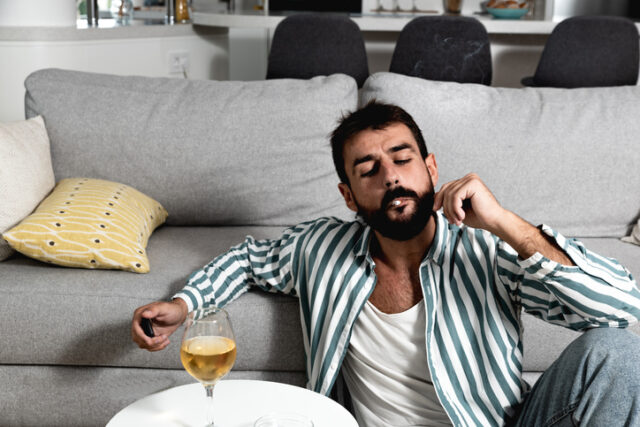
Cultural messages tell you that unwinding means drinking, so your brain automatically associates free time with alcohol. Boredom drinking feels normal because society has made using substances to transition from work mode to relaxation mode seem totally standard.
Question whether you actually enjoy alcohol, or if you’ve just been trained to think relaxation requires it. Some people discover they prefer how they feel when they unwind naturally, while others genuinely do enjoy drinking. Both are fine!
8. You’re medicating the depression that comes with meaningless routine.
Chronic boredom often signals that your life lacks purpose, challenge, or genuine interest, and alcohol temporarily masks the sadness that comes with going through empty motions. You’re not just bored; you might be bummed about how unstimulating things have got.
Consider whether chronic boredom is telling you something about needing more challenge, creativity, social connection, or purpose. Alcohol can’t fix a fundamentally unstimulating lifestyle. Really, it just makes you temporarily okay with it.
9. You’re afraid of what you might think about when sober and unstimulated.
Quiet moments allow uncomfortable thoughts about your life, relationships, career, or future to surface, and alcohol provides escape from self-reflection that might demand difficult changes. Boredom drinking keeps you from confronting stuff you’d rather not deal with.
Try using quiet time for honest thinking rather than avoidance. The thoughts that emerge during unstimulated moments often contain useful information about what might need adjusting in your life.
10. You’ve confused being buzzed with being interested.
Alcohol makes boring activities feel more engaging and mundane conversations seem more meaningful, so you start thinking you need chemical enhancement to enjoy life. You lose touch with your natural capacity for interest and start requiring artificial stimulation to feel engaged.
Test what genuinely interests you when your brain isn’t altered by substances. Natural enthusiasm feels different from chemically enhanced interest, and knowing the difference helps you figure out what you actually enjoy.
11. You’re using alcohol to simulate social connection when alone.

Drinking alone when bored often substitutes for the social interaction you’re actually craving but don’t know how to pursue. Alcohol provides a false sense of social ease that temporarily fills the loneliness gap without addressing your actual need for human contact.
Notice when boredom drinking is really loneliness drinking, and consider reaching out to actual people instead. Building real social connections takes more effort than opening a bottle, but it addresses the underlying need more effectively.
12. Your identity has become tied to drinking as a personality trait.
You think of yourself as someone who enjoys wine, craft beer, or cocktails, so drinking when bored feels like expressing your identity rather than addressing a problem. Alcohol consumption has become so integrated into your sense of self that questioning it feels like questioning who you are.
Consider whether your relationship with alcohol is truly part of your authentic identity, or just a habit you’ve rationalised. People who genuinely enjoy drinking can also genuinely enjoy not drinking. They’re not mutually exclusive.
13. You’re postponing dealing with the emptiness in your actual life.
Chronic boredom that drives you to drink usually signals that something fundamental is missing: meaningful work, close relationships, personal growth, or sense of purpose. Alcohol temporarily fills that void without addressing why your life feels so empty in the first place.
Use the discomfort of boredom as information about what might be missing rather than as a problem to solve with substances. Empty time often reveals empty life, and figuring out what would make it fuller is more useful than finding better ways to numb it.