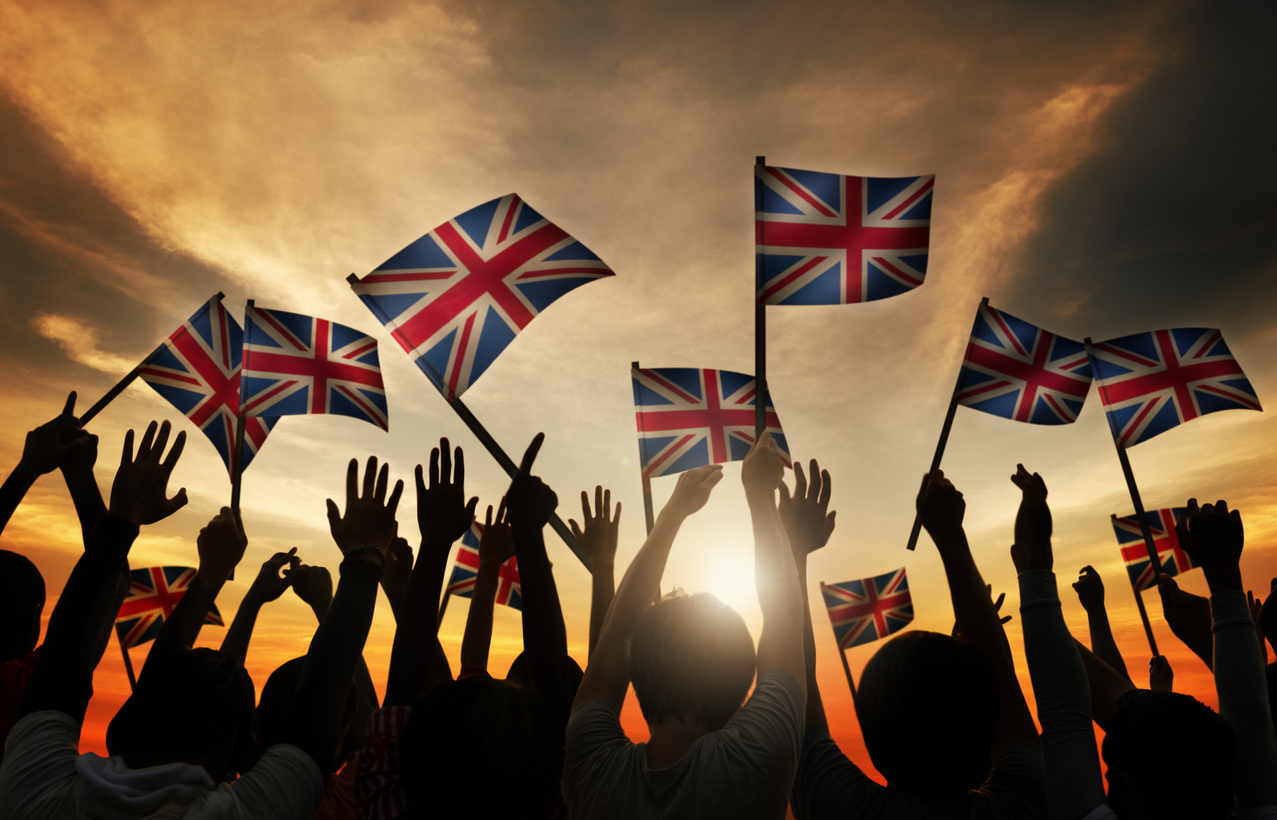
Love him or loathe him, Donald Trump has never exactly hidden his irritation with things that don’t bend to his will, and few places clash with that worldview quite like Britain.
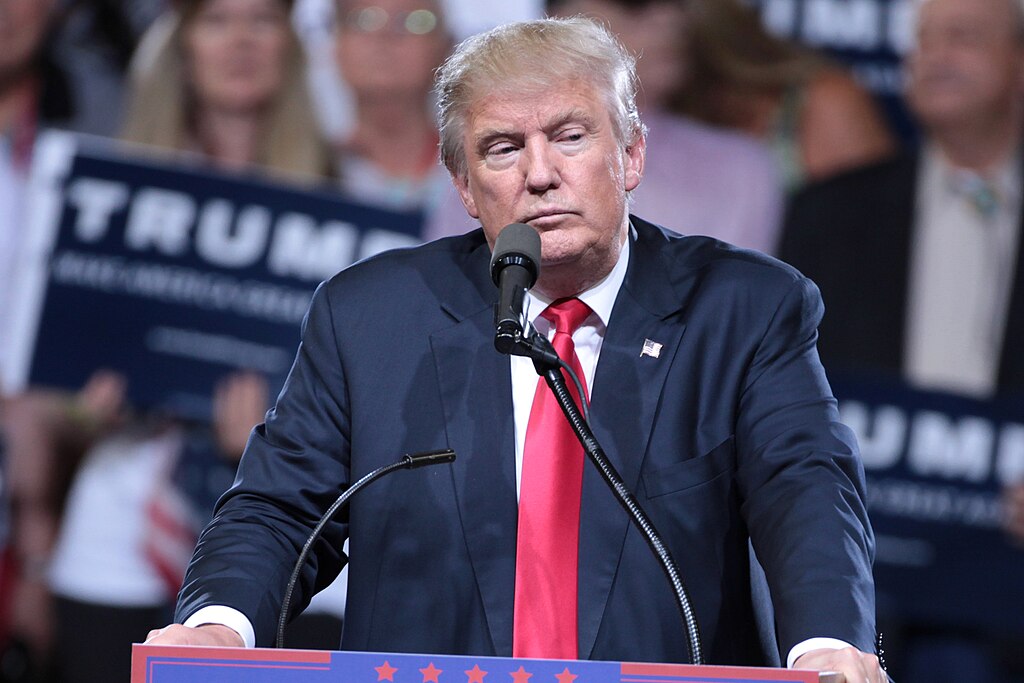
That’s not because the UK is perfect or morally superior, but because it’s full of rules, habits, and expectations that quietly limit ego, entitlement, and personal power. That kind of restraint has never really been his thing. British life runs on a mix of laws and unwritten values that prioritise restraint, and the idea that no one person should be too big for the system.
It’s the opposite of showmanship politics and chest-thumping authority. From how power is checked, to how success is viewed, to the simple expectation that you don’t bulldoze your way through public life, there’s a lot baked into British culture that rubs directly against Trump’s instincts, and he’s made that discomfort pretty obvious over the years.
1. The NHS and universal healthcare
Trump has spent years criticising socialised medicine and calling universal healthcare systems disasters, which puts him directly at odds with Britain’s National Health Service. The NHS is practically a religion in the UK, and the idea that healthcare should be free at the point of use regardless of your ability to pay is a core British value.
Trump’s view that healthcare should operate as a market-based system where insurance companies hold power is fundamentally incompatible with the British belief that medical care is a human right. When he suggested the NHS would be “on the table” in trade negotiations, the backlash was immediate and fierce because touching the NHS is political suicide in Britain.
2. Strict gun control laws

Britain essentially banned handguns after the Dunblane massacre in 1996, and the country has some of the strictest gun laws in the world. Trump is a staunch defender of the Second Amendment and the NRA, viewing gun ownership as a fundamental right that shouldn’t be restricted.
The British approach, where armed police are the exception rather than the rule and civilian gun ownership is rare and heavily regulated, represents everything Trump argues against. He’s repeatedly claimed that London’s gun laws have made it more dangerous, which isn’t supported by any actual data and ignores that Britain’s gun death rate is a fraction of America’s.
3. Climate change commitments and environmental regulations

Britain has legally binding climate targets and was one of the first major economies to commit to net-zero emissions by 2050. Trump pulled America out of the Paris Climate Agreement, rolled back environmental protections, and repeatedly dismissed climate change as a hoax or exaggeration.
The British method of environmental regulation, which includes things like plastic bag charges and strict emissions standards, represents the kind of government intervention Trump fundamentally opposes. He sees environmental regulations as job-killers that harm business, while the UK treats them as necessary protections for future generations.
4. Libel and slander laws that protect reputation

British defamation laws put the burden of proof on the person making the claim rather than the person suing, which means it’s easier to win libel cases here than in America. Trump has complained bitterly about libel laws, saying American laws should be more like Britain’s when it suits him, then criticising British courts when they rule against him or his allies. He wants it both ways, stronger laws to silence critics but weaker protections when he’s the one being criticised. Here, on the other hand, we care more about protecting people’s reputations, while American law prioritises free speech even when it’s false, and Trump’s relationship with truth makes him uncomfortable with either system.
5. Workers’ rights and union protections

The UK has stronger employment protections than America, including mandatory paid holiday, statutory sick pay, and maternity leave that would be considered generous by American standards. Trump’s business career involved fighting unions, and his political career has continued that pattern, with policies favouring employers over workers.
The British expectation that workers deserve basic protections and dignity clashes with Trump’s view that businesses should have maximum freedom to operate as they see fit. Things like mandatory rest breaks and limits on working hours are seen as common sense worker protections in Britain but as burdensome regulations in Trump’s worldview.
6. The BBC and public service broadcasting

The BBC is funded by a licence fee and operates independently from government with a remit to serve the public interest rather than generate profit. Trump hates this model because he views media through the lens of ratings and profit, and he’s repeatedly attacked the BBC as fake news when it criticises him.
The idea that broadcasting should serve the public good rather than shareholder value is fundamentally at odds with his business-focused worldview. Britain’s acceptance that some things shouldn’t be purely market-driven, including news and educational programming, conflicts with his belief that everything should operate on commercial principles.
7. Multiculturalism and integration policies
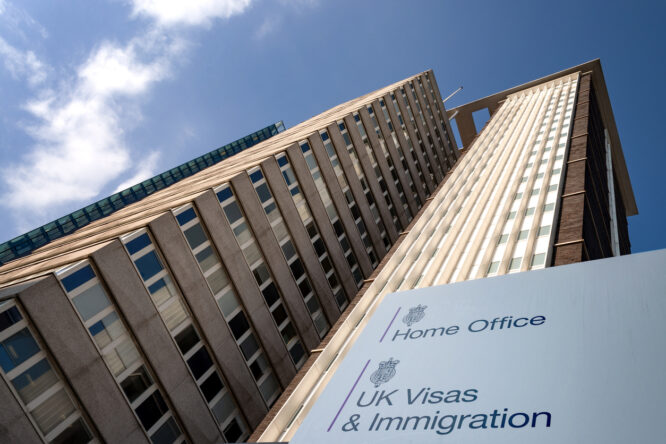
The UK’s approach to immigration, while far from perfect, generally accepts multiculturalism as a strength and has policies aimed at integration rather than assimilation. Trump’s “America First” nationalism, Muslim ban, and border wall represent a completely different philosophy that views immigration as a threat.
The British value of tolerance, even if it’s sometimes more aspiration than reality, clashes with Trump’s divisive rhetoric about immigrants and refugees. London’s diversity, which Trump has used as a punching bag in his speeches, is something many Londoners actually celebrate rather than fear.
8. Royal protocol and institutional deference
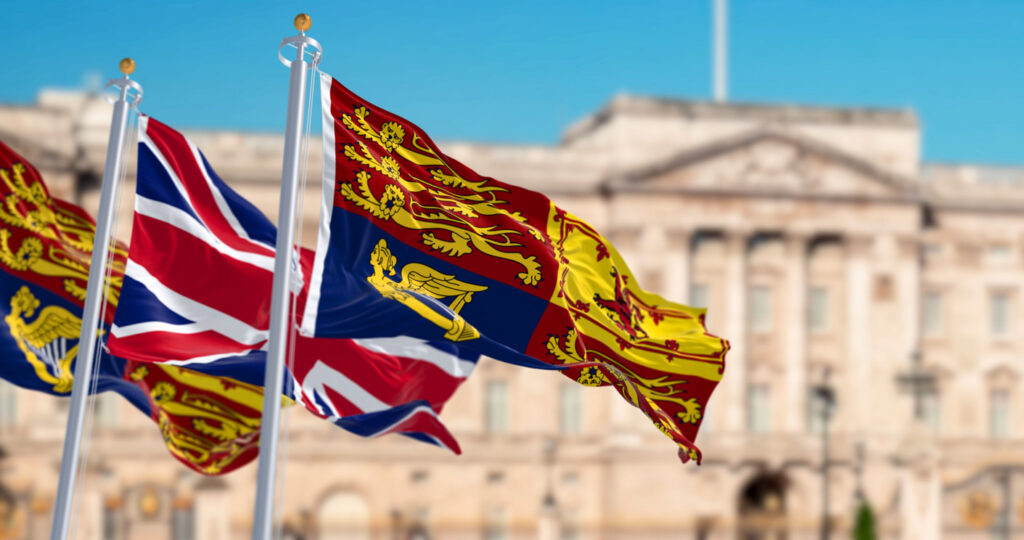
Britain maintains a constitutional monarchy with elaborate protocols about how to address and interact with royals, and there’s an expectation of respect for institutions regardless of personal feelings. Trump’s behaviour during royal visits, from walking in front of the Queen to his general disregard for protocol, showed his fundamental discomfort with any system that places tradition and deference above personal impulse.
The British idea that some institutions deserve respect simply because of what they represent clashes with Trump’s transactional view of relationships. He doesn’t understand doing things just because that’s how they’ve always been done, which puts him at odds with a country where tradition carries genuine weight.
9. Restrictions on political advertising and campaign finance
Britain has strict limits on political spending and advertising, with campaigns lasting weeks rather than years and television political ads banned entirely. Trump’s campaigns involved massive spending and constant advertising, and he’d view British restrictions as undemocratic limitations on free speech.
Our approach tries to level the playing field and prevent elections being bought by the wealthiest candidates, while American elections, which Trump has participated in and benefited from, allow virtually unlimited spending through PACs. The idea that you can’t just buy an election through sheer advertising volume is foreign to someone who built his political brand through constant media presence.
10. Social safety nets and welfare provisions
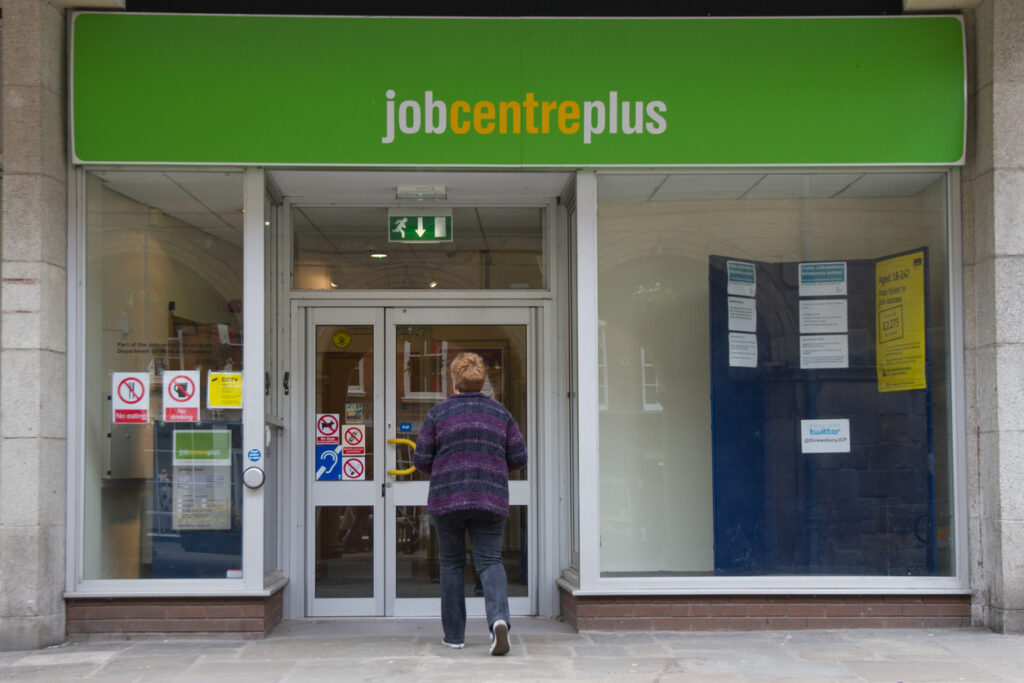
Britain has a welfare system that, despite cuts over the years, still provides unemployment benefits, housing assistance, and support for people who can’t work. Trump’s rhetoric consistently frames welfare recipients as lazy and fraudulent, and his policies aimed to cut safety net programmes.
The British belief that society has a responsibility to support its most vulnerable members clashes with Trump’s pull-yourself-up-by-your-bootstraps individualism. Universal Credit might be flawed, but the principle that people shouldn’t starve or become homeless when they fall on hard times is a British value that Trump’s policies actively worked against in America.