Donald Trump has never been one for the subtle nuances of traditional diplomacy.
From his early days on the campaign trail to the current, fast-moving events of January 2026, he’s maintained a remarkably consistent “to the victor go the spoils” mindset. While previous administrations often spoke in the lofty language of “spreading democracy” or “stabilising regions,” Trump has stripped away the veneer. He’s openly admitting that his interest in foreign nations often begins and ends with what’s under their soil.
With his newly established “energy dominance” doctrine, the US is no longer just a participant in the global oil market; it’s attempting to become the landlord. Whether it’s through the shock-and-awe military operations we’ve seen this month or long-term economic squeezing, the goal is clear: control the flow, control the price, and make sure American companies are the ones sending the invoices. This is transactional hegemony, where every relationship has terms and every deal is evaluated by what Washington can extract. Here are the 12 countries currently at the top of that list.
1. Venezuela is currently the front line of a new era of US intervention.
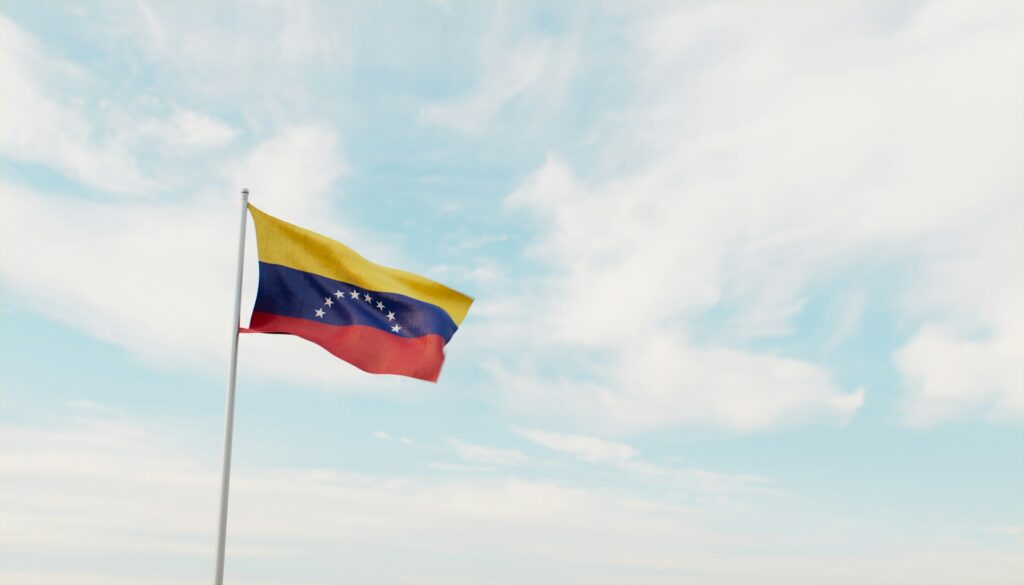
The world is still reeling from the events of this past weekend. The US military raid on Caracas, which resulted in the capture of President Nicolás Maduro, has turned the global energy market on its head. Trump didn’t even wait for the dust to settle before changing the narrative from a “security operation” to a flat-out resource grab. He’s already promised that “very large US oil companies” will be moving in to rebuild the country’s infrastructure, which has been in a state of disrepair for years.
With Venezuela holding 17% of the world’s oil reserves (the largest proven reserves on the planet, by the way), Trump is treating the nation like a foreclosure he’s just bought at auction. He’s been blunt about the motive, stating that the US will now “run” the country to ensure “total access” to the oil. Critics call it a “Settlers of Catan” style of foreign policy, but for Trump, it’s simply about “taking the oil” to reimburse the US for the costs of his interventionist agenda.
2. Iraq remains the one that Trump feels “got away” years ago.
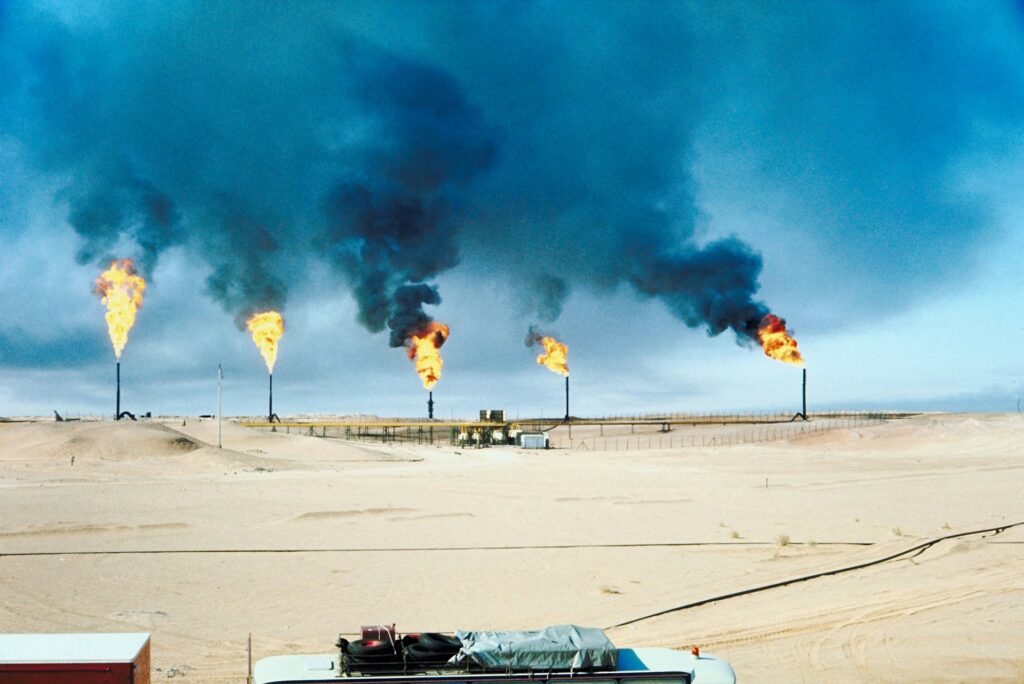
Trump has spent over a decade complaining that the US didn’t “take the oil” after the 2003 invasion. In his view, the trillions of dollars spent on the war should have been repaid in crude.
Even now, his administration exerts immense pressure on Baghdad to ensure that US firms get the most lucrative service contracts. He views Iraq’s vast reserves not as a sovereign national asset, but as a missed opportunity for American “reimbursement” that he’s still trying to correct through aggressive deal-making and military leverage.
3. Greenland has become a flashpoint for Arctic resource competition in 2026.
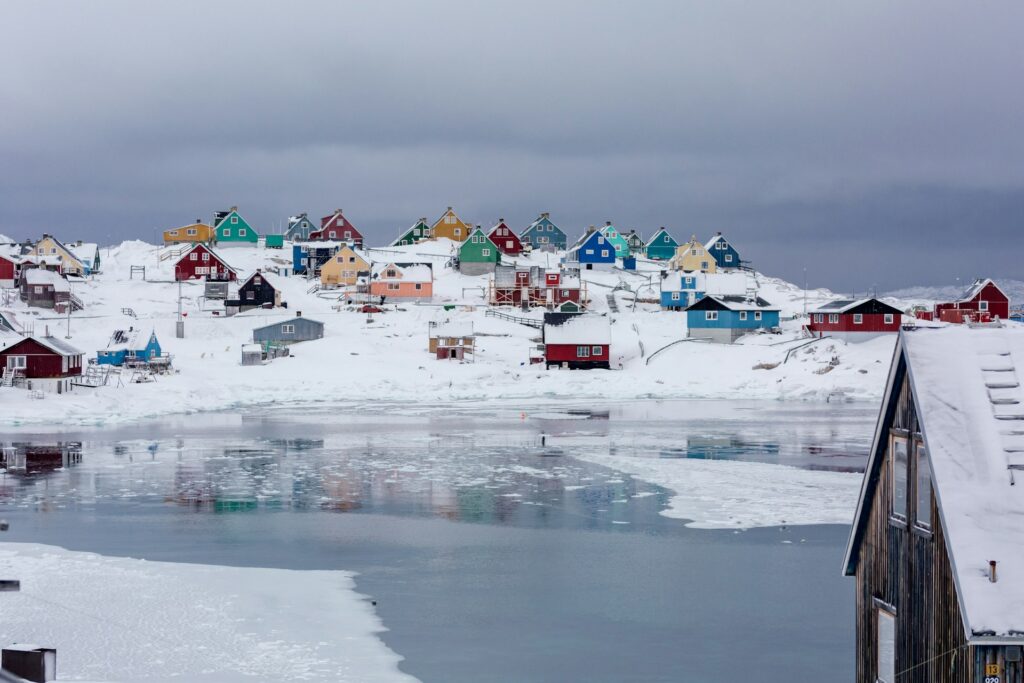
The idea of the US “buying” Greenland was laughed off in his first term, but in 2026, it’s turned into a serious diplomatic crisis. Trump has renewed his fixation on the island, citing “national security” as a reason to potentially annex or forcibly “collaborate” with the territory.
While it’s strategically located for missile defence, the real long-term play is the massive, untapped oil and gas fields becoming accessible as the Arctic ice thins. He recently mocked Danish defence efforts, suggesting they can’t protect those resources, but he certainly can. By appointing a “Special Envoy to Greenland,” he’s signalled that this isn’t a joke; it’s a strategic expansion aimed at securing the Arctic’s “black gold.”
4. Syria is a place where the US military mission is explicitly about the wells.
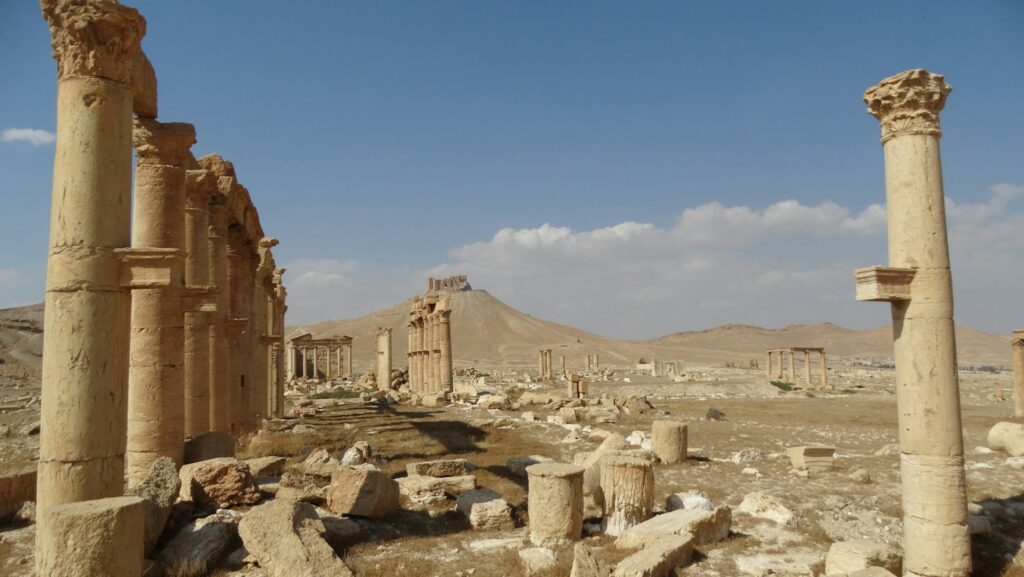
Syria is perhaps the most honest example of the Trump doctrine in action. While other leaders might claim to be there for counter-terrorism, Trump has been famously blunt: “We’re keeping the oil.” US troops remain stationed around the key fields in eastern Syria specifically to deny the Syrian government access and to ensure the US maintains leverage in the region.
He’s even floated the idea of bringing in US energy giants to monetise the fields directly for American benefit, treating the sovereign resources of a war-torn nation as a private asset to be guarded by the US military.
5. Guyana is the new “gold mine” that the US is determined to guard.
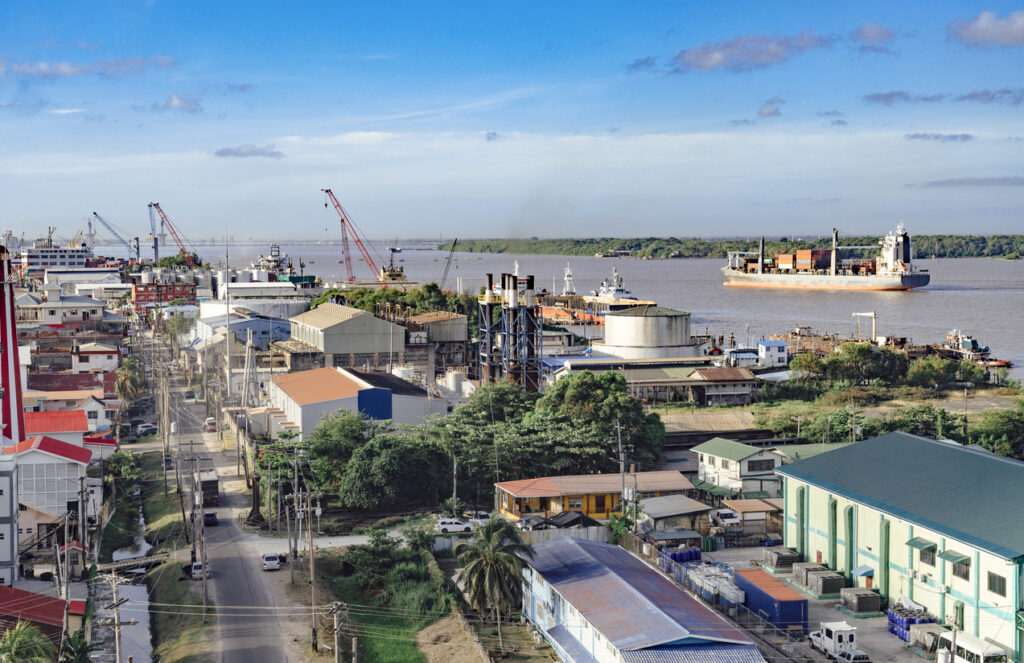
Guyana has seen a meteoric rise in oil production, and the Trump administration has been quick to wrap the small nation in a “security embrace.” By providing military support and “stability,” the US is effectively ensuring that US companies, primarily ExxonMobil, retain their dominant position.
Trump sees Guyana as a critical alternative to OPEC, and he’s made it clear that he won’t let rivals like China or Russia get a look-in. The pressure on the Guyanese government to adhere to US “compliance” standards is high, ensuring that their oil boom stays firmly within the American sphere of influence.
6. Iran is being systematically sidelined to clear a path for US energy dominance.
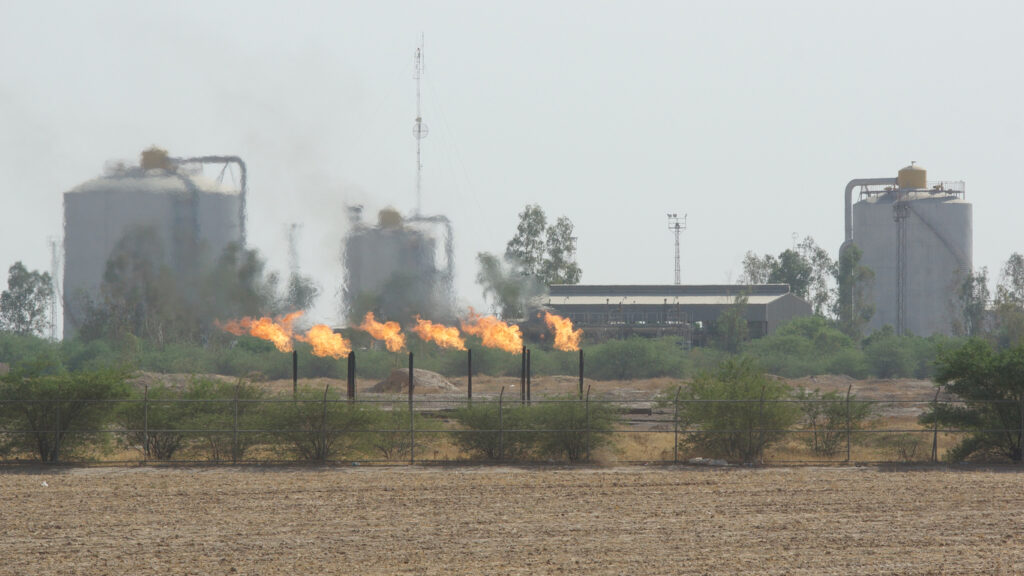
Trump’s “maximum pressure” campaign on Iran is a two-pronged attack. By keeping Iranian oil off the global market through aggressive sanctions and threats of military action against their nuclear sites, he effectively removes a major competitor.
This “oil quarantine” doesn’t just hurt Tehran; it increases global dependence on US shale and the production of US-aligned partners. It’s a strategy of exploitation through exclusion: crippling their industry to bolster the market share of American exports.
7. Libya is seen as a missed chance for a US “service fee” for intervention.
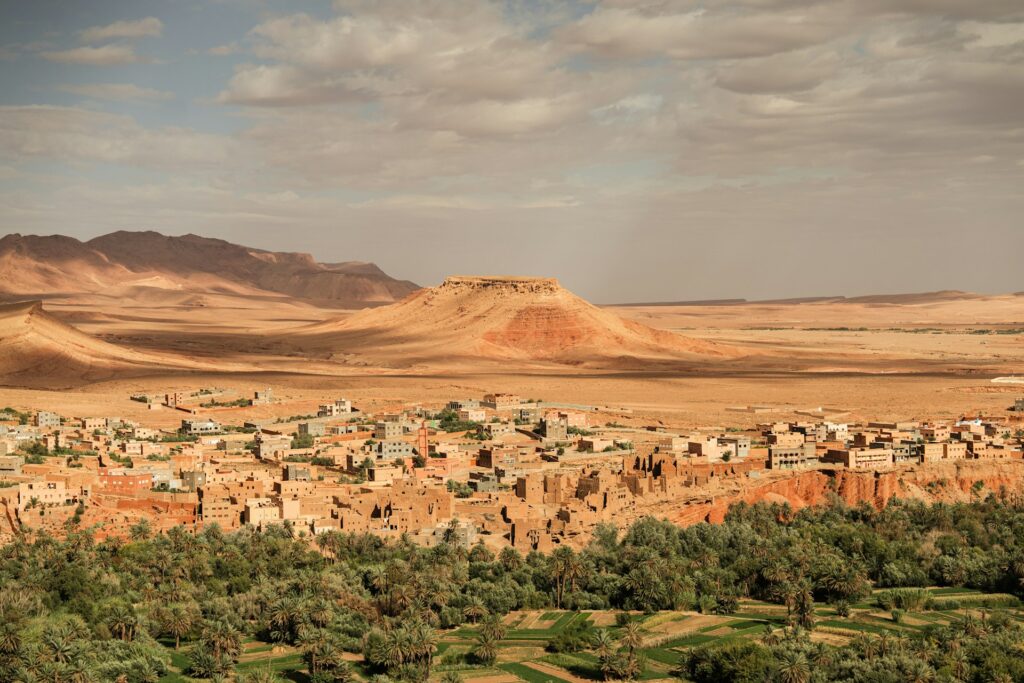
Trump has frequently questioned why the US helped topple Gaddafi without getting a “fair share” of the country’s oil in return. As Libya remains fractured, the US has been aggressive in backing factions that are most likely to grant favourable drilling rights to American firms.
For Trump, US military or diplomatic support always comes with a price tag, and in Libya, that price is measured in barrels per day. He views the country’s ongoing instability as an opportunity to renegotiate the terms of their energy exports in favour of US interests.
8. Mexico is being pressured to open its state-run industry to US firms.
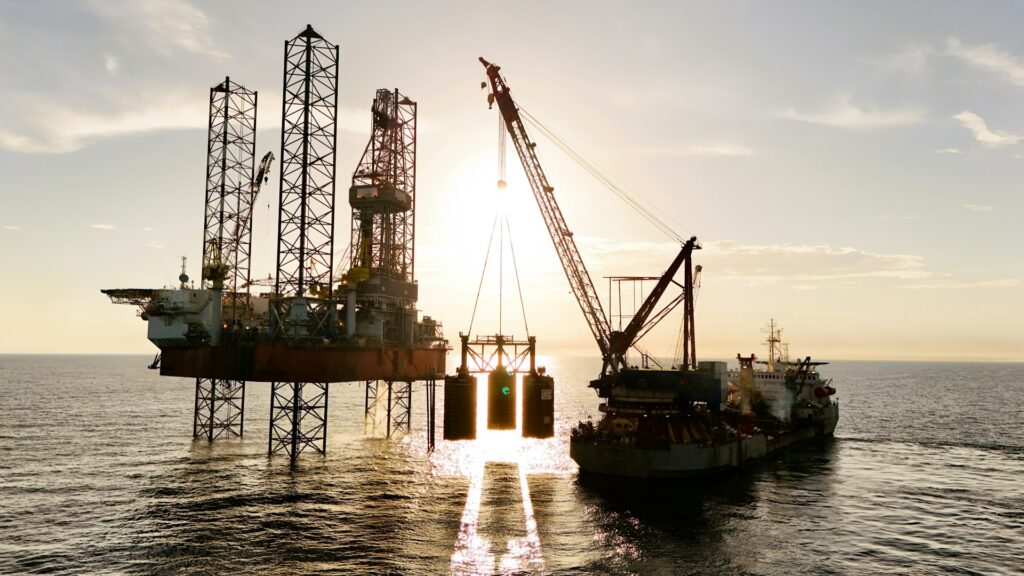
Through a combination of trade threats, high tariffs, and “border security” leverage, Trump is pushing Mexico to dismantle the protections around its state oil company, Pemex. He wants American technology and capital to take the lead in Mexico’s deep-water exploration, which has stalled due to lack of investment. To Trump, Mexico’s energy sector is an extension of the North American market that should be running on American terms. He views their policy of “energy sovereignty” as a barrier to US profit that needs to be broken down.
9. Brazil is being brought into the fold of “Western Hemisphere dominance.”
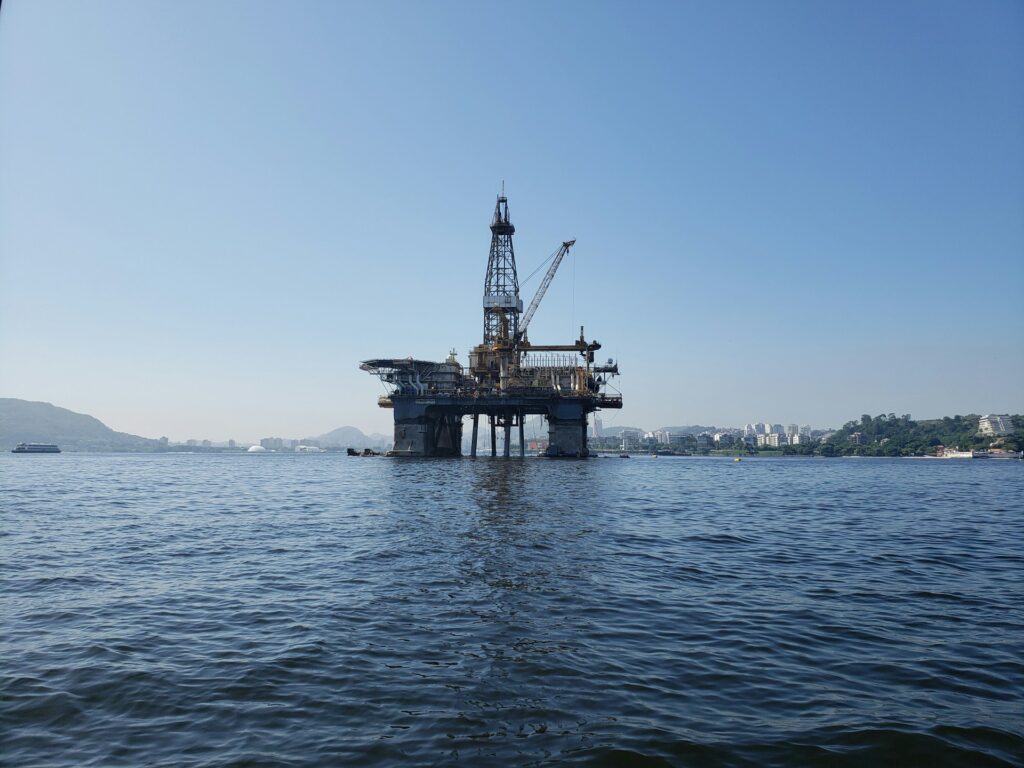
Brazil’s massive offshore “pre-salt” oil reserves are among the most valuable in the world. Trump has worked to align his administration with Brazilian leadership to ensure that US oil majors are the preferred bidders in their massive auctions. By framing this as a “security partnership” against Chinese influence, he’s securing a massive, stable supply of oil. However, his high tariffs have also pushed Brazil to look at partners like India and China, creating a tug-of-war where Trump uses the threat of economic isolation to keep Brazil’s oil flowing north.
10. The Bahamas is feeling the heat of the “drill, baby, drill” expansion.
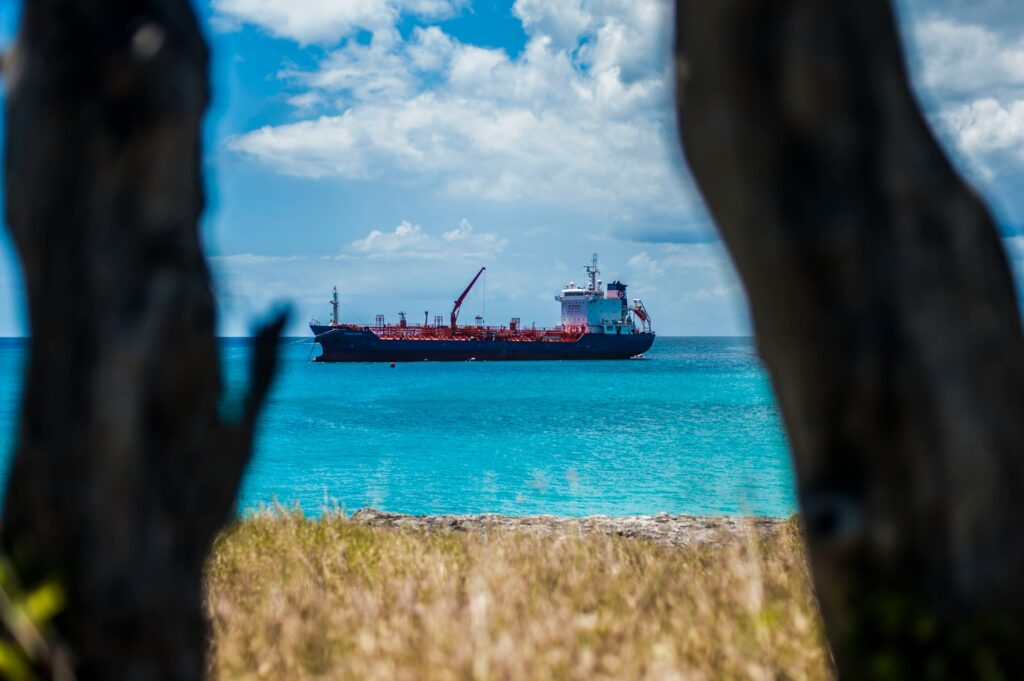
The push for energy dominance doesn’t stop at the US border. There has been persistent pressure on the Bahamas to open their waters to offshore drilling. The Trump administration’s deregulatory stance at home has emboldened US firms to look just across the water, with Washington providing the diplomatic muscle to encourage the Bahamian government to look past environmental concerns. Trump sees these waters as an untapped extension of the Gulf of Mexico, ripe for American extraction.
11. Canada is expected to serve as the US energy “filling station” regardless of its own policies.
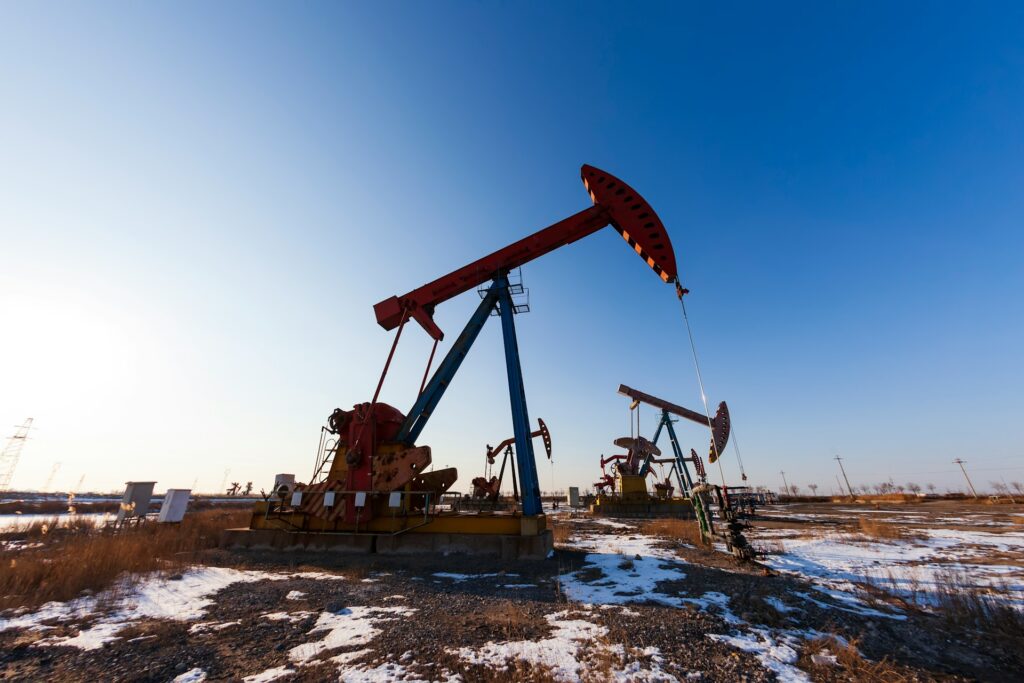
Even with the US’s closest ally, the relationship is purely transactional. Trump views Canadian oil, specifically from the oil sands, as a strategic reserve for US refineries on the Gulf Coast. By reviving projects like the Keystone XL pipeline and using regulatory delays against “green” policies, he’s ensuring that Canada’s resources remain locked into the US market.
He’s made it clear that he expects Canada to prioritise US energy security over its own environmental targets, often threatening trade consequences if they don’t comply.
12. Saudi Arabia is treated as a partner that owes the US a debt for its survival.
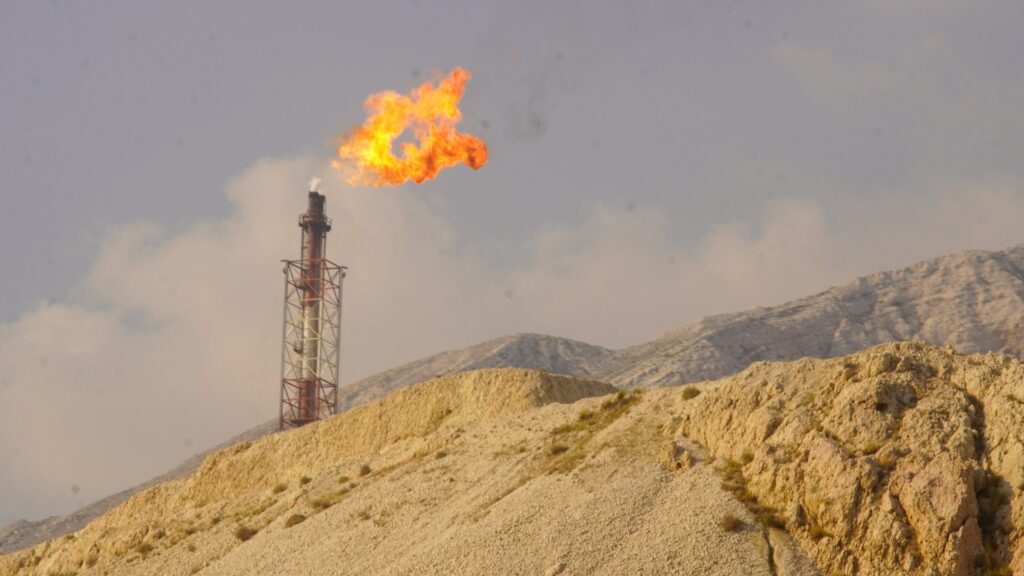
The relationship with the Saudi royals is defined by a simple trade: US military protection in exchange for cooperation on oil prices. Trump has frequently reminded the Saudi leadership that they “wouldn’t last two weeks” without the US, using that as a hammer to demand production hikes whenever it suits his domestic political needs.
He views the Saudi reserves as a tool in his own economic belt. In 2026, as global supply surges, he’s using this leverage to ensure that OPEC doesn’t cut production in a way that hurts American consumers or his “energy dominance” agenda.
13. The Arctic National Wildlife Refuge in Alaska is being fully opened for maximum extraction.
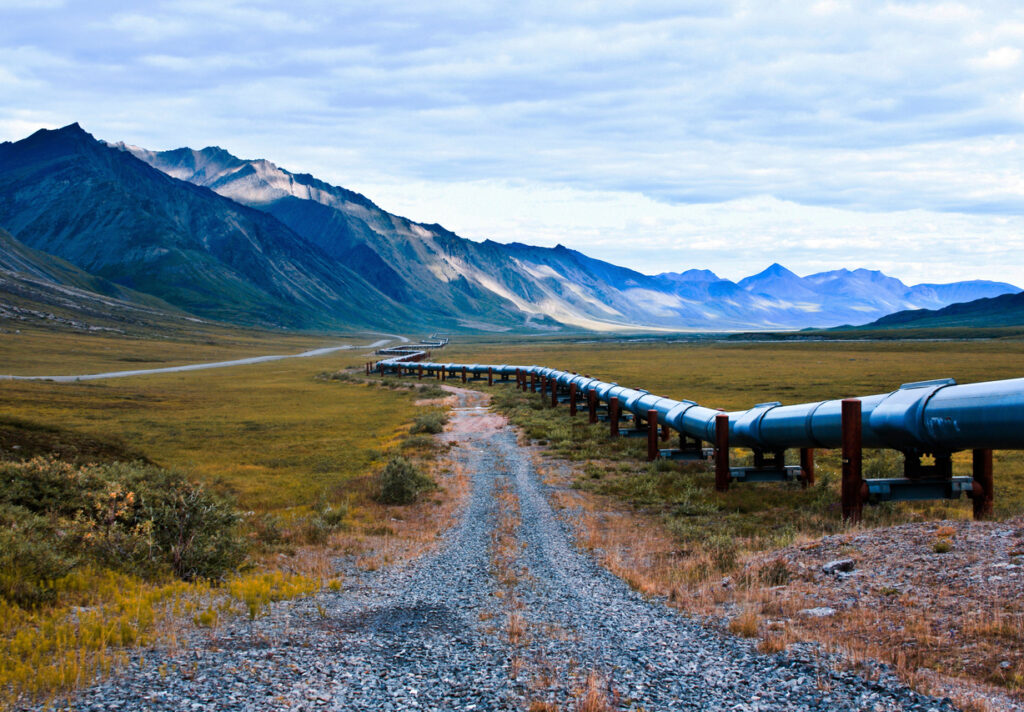
In a move that’s sparked outrage from environmental groups and indigenous tribes, the Trump administration has officially rescinded all protections for the Arctic National Wildlife Refuge (ANWR). He’s ordered the Department of the Interior to open the entire 1.56 million-acre coastal plain to oil and gas leasing, essentially reversing years of federal conservation efforts.
Trump has brushed off concerns about the local caribou and polar bear populations, stating that the billions of barrels of oil beneath the tundra are “too valuable to leave sitting in the ground.” For him, this isn’t about nature; it’s about “unlocking” American wealth at any cost.