Bone health doesn’t get talked about enough until something goes wrong — a fracture, a diagnosis, or a creaky feeling that just won’t quit. But the truth is, your bones are constantly changing behind the scenes. They’re living tissue, and like the rest of your body, they need support. Whether you’re in your 30s or 70s, there’s plenty you can do to keep your skeleton solid and resilient. Here are some simple and realistic ways to give your bones the care they need.
1. Get more calcium (but spread it out).
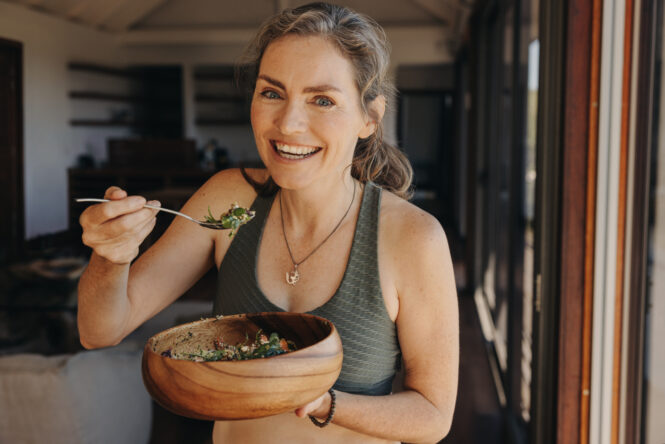
Calcium is the big one — your bones rely on it to stay strong. However, your body can only absorb so much at a time. Instead of taking it all in one go, it helps to spread it across your meals. Dairy is great, but if it’s not your thing, try leafy greens, almonds, tofu, or fortified plant milks. Small, consistent sources of calcium add up more than a single supplement ever will.
2. Don’t forget vitamin D.
Even if you eat plenty of calcium, your body can’t use it properly without vitamin D. In the UK especially, where sunlight is hit or miss most of the year, many people are low without realising. Try to get outside in the middle of the day when the sun’s out, and consider a daily supplement, especially between October and March. It’s a small habit that makes a big difference.
3. Do weight-bearing exercise.
Running, walking, dancing, tennis — these types of activities encourage your bones to grow stronger by gently stressing them in a healthy way. It’s that pressure that signals your body to reinforce them. Even brisk walking for 30 minutes a few times a week helps. You don’t need to go full gym mode — just stay moving and keep it consistent.
4. Add strength training into your week.
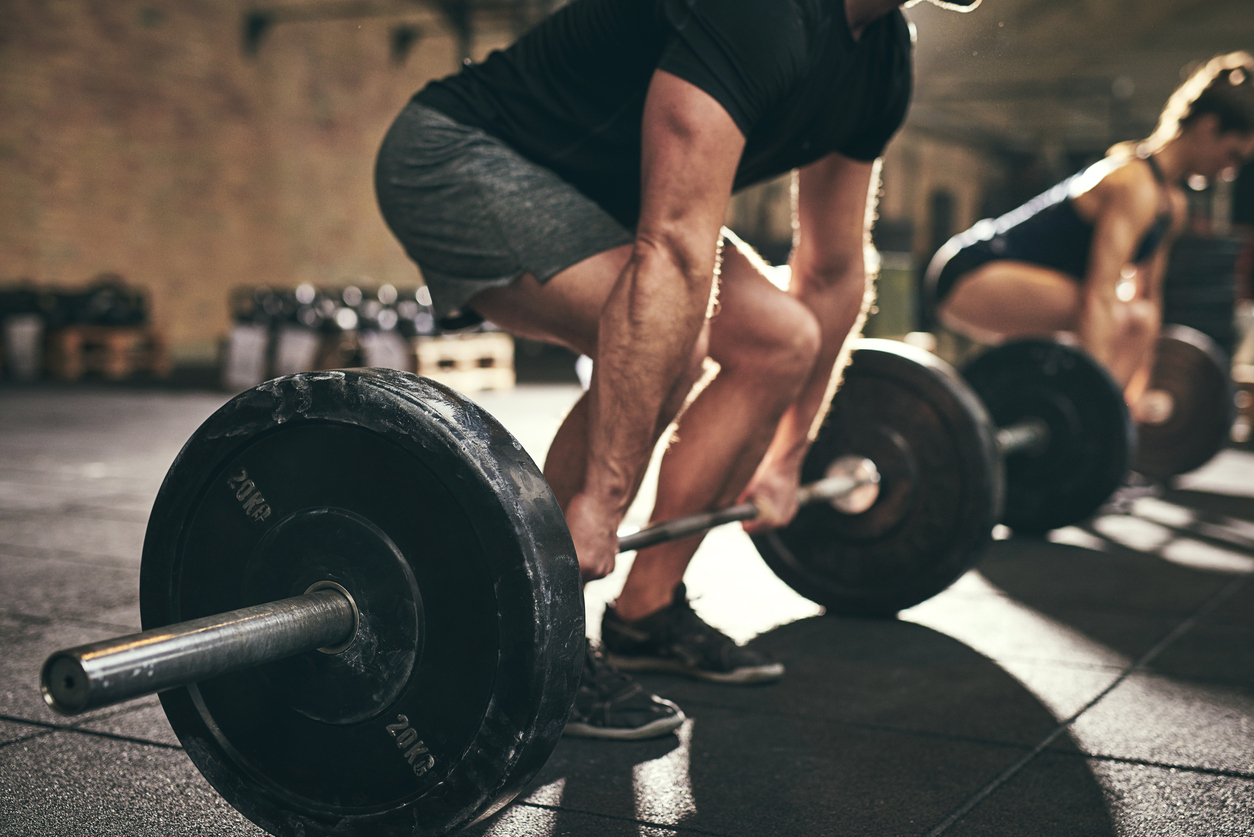
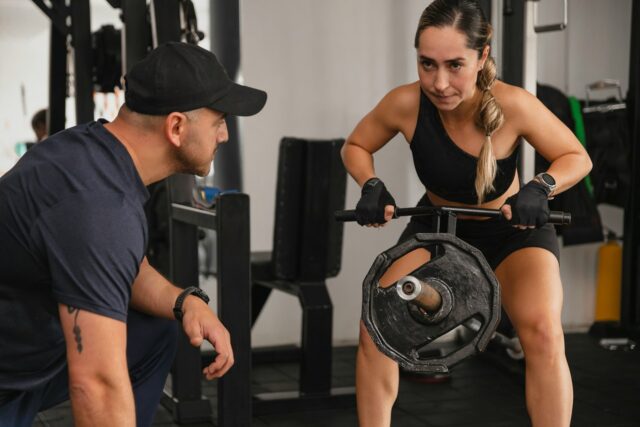
Weights aren’t just for building muscle — they’re great for bones, too. Strength training can help increase bone density, especially in areas like your hips and spine that are prone to weakening with age. You don’t need a full rack of dumbbells. Resistance bands, bodyweight exercises like squats, or a simple home routine twice a week can make a real difference.
5. Watch your caffeine intake.
Too much caffeine can interfere with calcium absorption, especially if you’re not getting enough of the good stuff to begin with. You don’t need to cut coffee completely, just don’t overdo it. If you’re a heavy tea or coffee drinker, try to balance it out with extra calcium-rich foods throughout the day. It’s all about moderation, not restriction.
6. Quit smoking (or cut down).
Smoking doesn’t just damage your lungs. It also weakens your bones over time. It interferes with your body’s ability to rebuild bone tissue, making fractures more likely and recovery slower. Even reducing how much you smoke can help, especially when paired with other bone-supporting habits. If you’ve been looking for another reason to quit, this one’s quietly important.
7. Keep alcohol consumption in check.
Heavy drinking can mess with how your body processes calcium and vitamin D, and it’s linked to lower bone mass in the long run. Occasional drinks won’t undo your efforts, but regular overdoing it might. Try to stay within the recommended weekly limits and avoid binge-drinking. Your bones, and the rest of you, will thank you later.

8. Make sure you’re getting enough protein.
Protein helps build and repair tissue, including bone. If your diet’s low in protein, your body may not have the building blocks it needs to maintain strength as you age. Lean meats, fish, beans, eggs, dairy, and soy are all solid sources. Aim for a bit with each meal, especially if you’re physically active or over 50, when bone loss naturally speeds up.
9. Look after your gut health.
A healthy gut helps you absorb nutrients better, including calcium and magnesium. If your digestion’s off, or you’re often bloated, your body might not be getting what it needs from your food. Eating more fibre, fermented foods, and cutting back on processed stuff can support your gut and, by extension, your bones. It’s not the first thing people think of, but it matters.
10. Take bone density seriously (especially if it runs in the family).
If osteoporosis or frequent fractures run in your family, or if you’re postmenopausal, it’s worth getting a DEXA scan. It’s a painless test that measures bone density and helps you get ahead of any problems. It’s available on the NHS if your GP thinks there’s a risk, and it gives a clear picture of how your bones are doing now, and what steps to take next if needed.
11. Don’t ignore low-level joint or back pain.
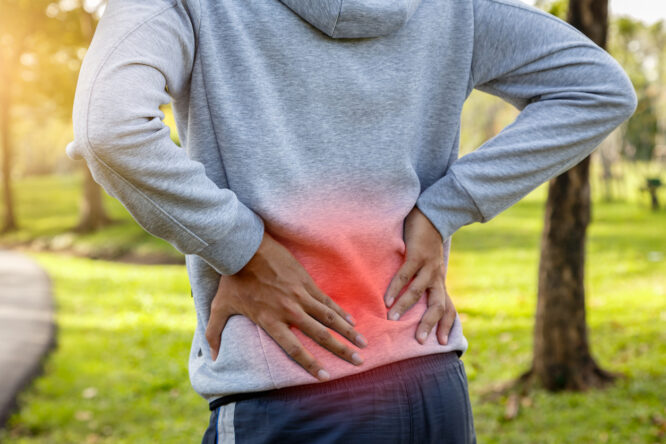
If you’re getting regular aches or stiffness in your lower back, hips, or wrists, even if it’s just mild, it could be worth looking into. Bone weakening doesn’t always show up dramatically at first. Don’t just chalk it up to “getting older.” Chat to your GP or physio if it’s persistent. Early checks and small changes can stop bigger problems later.
12. Balance your salt intake.
Too much salt can cause your body to lose calcium through urine, which isn’t ideal for long-term bone health. It’s especially important if you already have high blood pressure or eat a lot of processed food. Try to cook more meals from scratch where you can control the seasoning, and check food labels if you rely on ready-made sauces or snacks. You don’t have to go totally bland, but keep an eye on it.
13. Don’t leave it too late.
Bones naturally lose density with age, but the habits you build early on can slow that process down massively. You don’t have to do everything perfectly, just consistently enough that your future self stays standing strong. Start small — a daily walk, a bit of strength work, some extra greens — and build from there. Your bones don’t need perfection, they just need attention.