Dentists see what happens when bad habits catch up with us, and that means they avoid a lot of things we tend to do without a second thought.

Sure, they don’t brush too hard or obsess over floss, but it goes beyond that. In fact, some of the stuff we think is “clean” or “normal” turns out to be inevitably wrecking our enamel, gums, or fillings. To keep their teeth and gums as healthy as possible, these are some of the bad habits dentists avoid like the plague, even if the rest of us do them every single week.
1. Using whitening toothpaste every day

Whitening toothpaste seems like a smart shortcut, but most dentists steer clear of daily use. That’s because many of these formulas contain abrasive particles that wear down enamel over time, especially if you already brush with too much pressure.
They might give your teeth a temporary glow, but long-term they can lead to sensitivity and make your enamel thinner. Most dentists prefer gentle, non-abrasive toothpaste with fluoride, and save actual whitening for professional treatments.
2. Brushing straight after eating
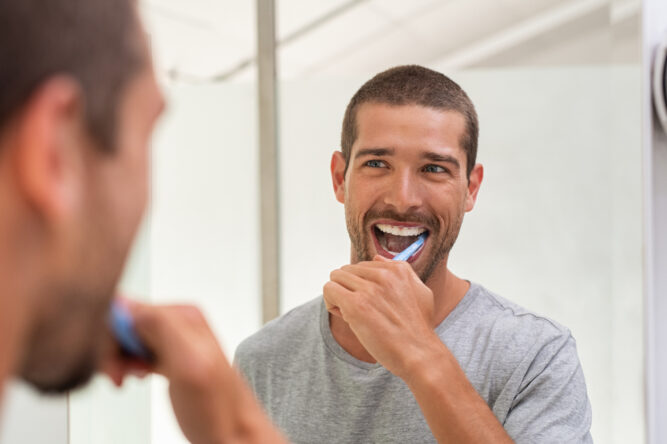
It feels logical to clean your teeth right after a meal, but dentists know this can do more harm than good. When you eat, especially acidic foods like fruit or tomato-based sauces, your enamel softens for a while. Brushing too soon can actually scrub away that vulnerable enamel layer. Dentists usually wait 30–60 minutes after eating before brushing, or rinse with water first to neutralise acid and protect the surface.
3. Using hard-bristled toothbrushes

Lots of people think harder bristles = cleaner teeth, but dentists avoid them entirely. That extra stiffness can damage your gums and enamel, especially if you’re already brushing with force. Soft or ultra-soft bristles are much kinder and still get the job done. Most professionals use electric toothbrushes with gentle heads and let the motion do the work, not brute force.
4. Flossing aggressively

Yes, dentists are all about flossing, but not in the dramatic, sawing motion many of us fall into. Slamming floss between your teeth and dragging it around can cut your gums, inflame tissue, and cause damage in the long run. Dentists use a slow, C-shaped motion that hugs each tooth. It’s about clearing out plaque, not digging trenches. Gentle consistency beats aggressive bursts every time.
5. Using mouthwash right after brushing
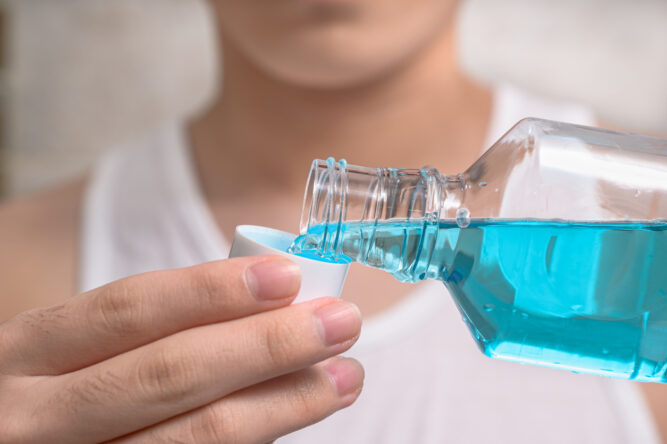
It sounds like a solid hygiene routine: brush, then swish. However, dentists often skip this combo because mouthwash can wash away the concentrated fluoride left behind from your toothpaste. If you’re using a fluoride toothpaste (which most people should), dentists recommend waiting at least 30 minutes after brushing before rinsing, or skipping the rinse altogether unless your mouthwash is prescription-strength.
6. Chewing ice
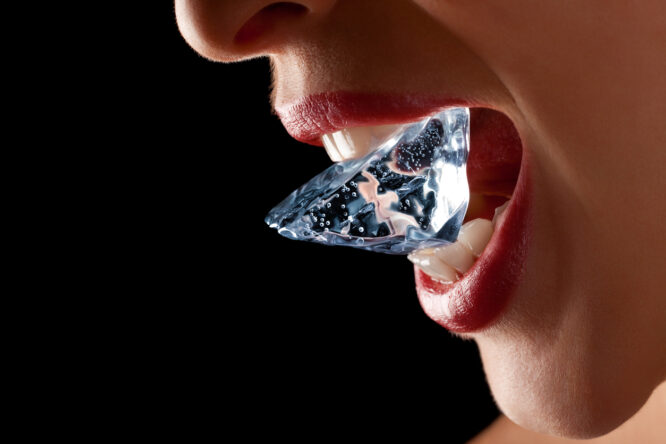
It might be refreshing, but dentists see what ice can do to teeth, and it’s not good. Chewing ice creates tiny cracks in enamel that can lead to bigger chips or even fractures later on. It’s one of the fastest ways to wreck a crown or filling, too. Dentists with a craving for crunch usually switch to chilled water, frozen grapes, or even crushed ice that melts quickly without the bite.
7. Drinking fizzy drinks slowly over hours

Nursing a can of soda throughout the day might feel better than guzzling it, but dentists actually prefer the quick drink. Sipping for hours keeps your mouth in a constant acidic state, which is rough on enamel. Even sugar-free fizzy drinks can erode tooth surfaces as time goes on. Dentists drink these in one sitting, ideally with a meal, and rinse with water afterwards to neutralise the acid hit.
8. Using teeth as tools

Whether it’s ripping open a crisp packet, holding keys in your mouth, or biting tags off clothes, dentists absolutely do not mess around with this. It’s one of the most common ways to chip teeth or damage dental work. Teeth are for food, not multi-tasking. Even habits that seem harmless, such as biting your nails or chewing on pens, are on the dentist don’t-do list. They protect their teeth like they’d protect their tools.
9. Skipping night brushing

Morning brushing is a given, but some people let it slide at night. Dentists never do. Overnight, your mouth produces less saliva, which means bacteria can flourish and get to work on leftover food and sugar. Going to bed without brushing leaves your teeth defenceless for hours. Dentists are religious about nighttime brushing, and if they’re extra tired, they still at least swish with water or use a fluoride rinse.
10. Overdoing teeth whitening kits
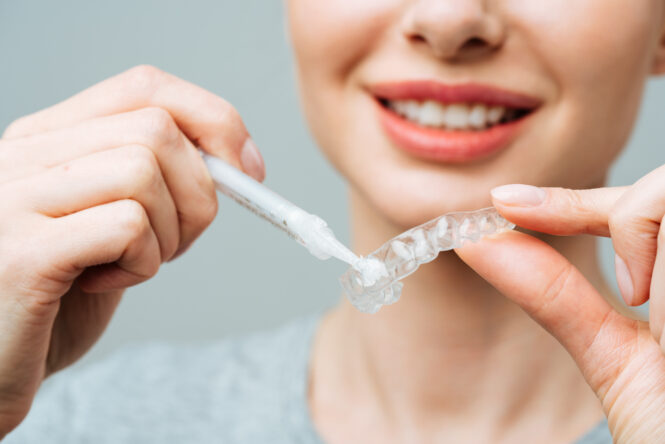
At-home whitening can work, but it’s easy to go overboard. Dentists avoid frequent use of strong kits because they can weaken enamel, increase sensitivity, and cause uneven results if used without proper guidance. Professionals often recommend shorter treatments spaced out over time, or get custom trays from their own clinic. Whitening is fine in moderation, but dentists know when to stop.
11. Ignoring signs of grinding
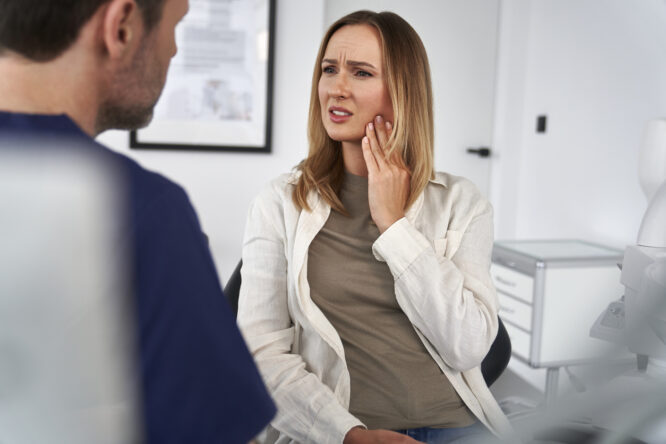
Many people grind their teeth without realising it, especially at night. Dentists, however, keep an eye out for any early signs: jaw pain, headaches, flat tooth edges, or sensitivity. They’ll wear a nightguard if needed and try to manage stress (a common trigger). Ignoring grinding can wear teeth down quickly, so they don’t wait for it to get worse.
12. Brushing too hard
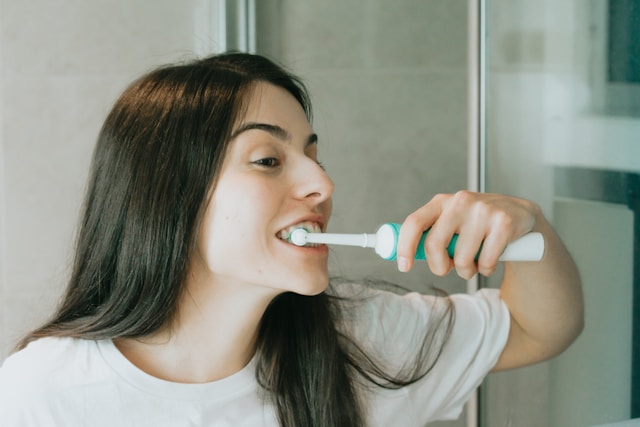
This might be the most common mistake people make. Scrubbing your teeth like you’re cleaning tiles actually wears down enamel and irritates gums. Dentists know that harder isn’t better, just gentler and more consistent. They use a soft circular motion or let their electric brush glide lightly over teeth. Pressure is one of the first things they teach patients to adjust, and one of the first things they avoid themselves.
13. Skipping dental check-ups until something hurts
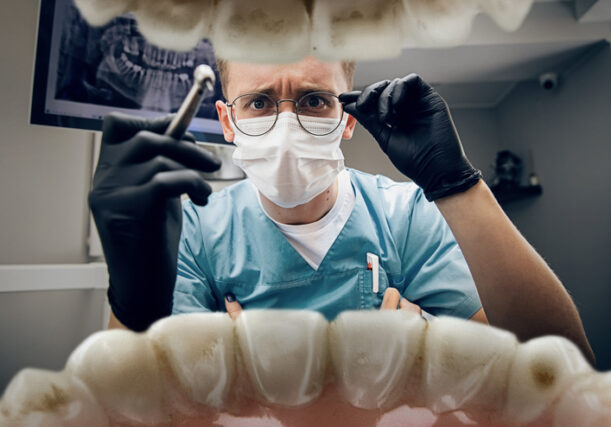
It’s tempting to wait until there’s a problem, but dentists absolutely don’t play that game. Most issues are way easier (and cheaper) to deal with early on, before there’s pain, damage, or an emergency situation. Even dentists see their own dentist. They know that regular cleanings and check-ups are prevention, not just maintenance. Waiting for pain to appear usually means the damage is already well underway.