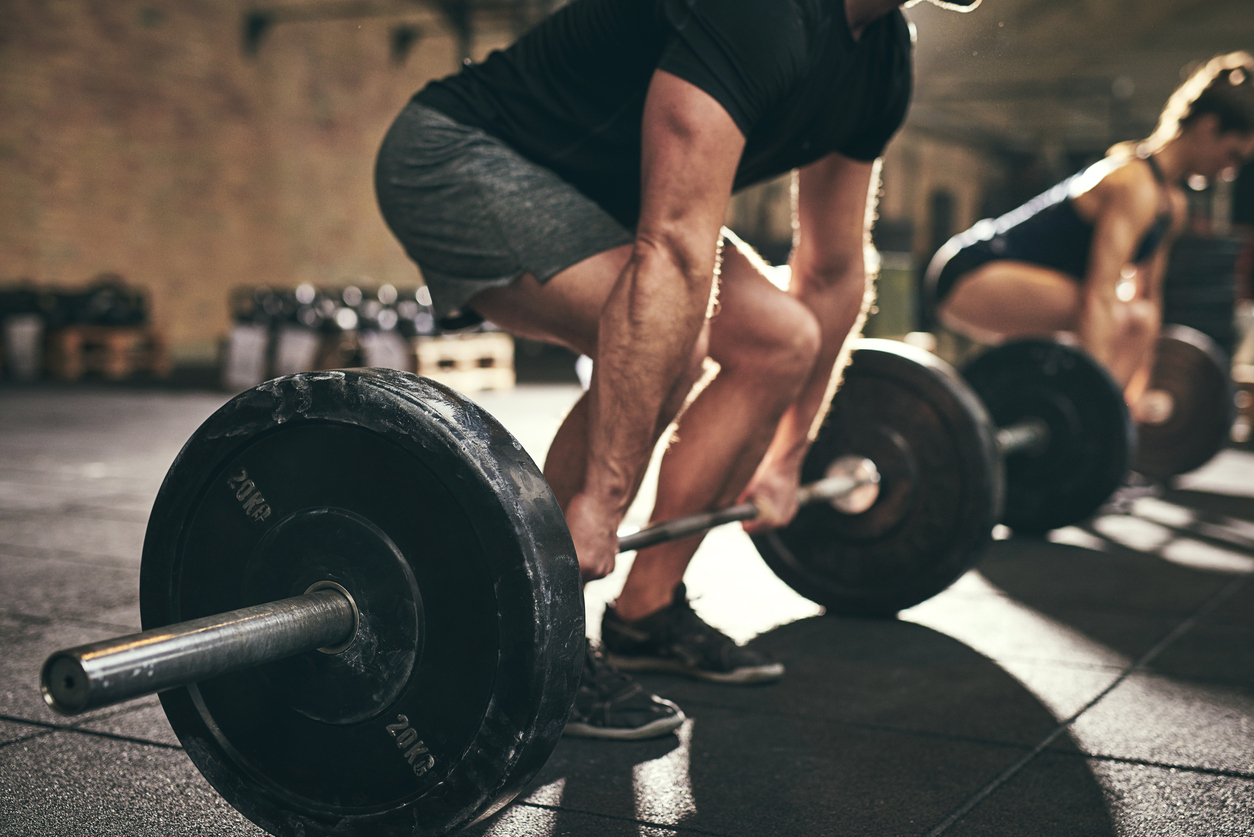
One of the more frustrating things about approaching menopause is realising that the workouts you used to swear by just… stop working. You’re doing the same routines, maybe even putting in more effort, yet the results aren’t there—or worse, you feel more tired, bloated, or achy afterward. The truth is, your body’s going through major hormonal changes, and that shifts how it responds to exercise. It doesn’t mean you’re doing anything wrong. It just means your body needs something different now. Here’s what might be happening, and how to adapt without burning out.
Your hormones are changing your recovery needs.
Lower oestrogen levels during perimenopause impact your muscle repair, inflammation levels, and how long it takes you to bounce back from a workout. If you’re still training like you did in your twenties or thirties without enough rest, you may actually be doing more harm than good.
Instead of daily high-intensity sessions, consider rotating in more low-impact options like walking, yoga, or resistance training with ample recovery time. You’re not slacking off; you’re giving your body the space it needs to rebuild and strengthen properly.
You’re pushing too hard without enough fuel.
Many women unknowingly undereat while trying to “train harder” to fight midlife weight gain. But hormonal changes can make your body more sensitive to stress—including the stress of a calorie deficit. This can lead to stalled progress, increased cravings, and low energy.
Rather than cutting back, try fuelling more strategically, especially with protein and complex carbs. Eating enough, especially after workouts, can help stabilise blood sugar and actually improve your results, not derail them.

Your body needs more strength, less cardio.
If you’ve been relying on long runs or endless spin classes, your body might be crying out for strength training instead. Muscle loss accelerates during perimenopause, and without resistance training, it’s tough to maintain the muscle you already have, let alone build more.
Adding even two strength sessions a week (with proper rest) can support your metabolism, improve joint stability, and protect bone density. You don’t need to lift like a bodybuilder, just enough to challenge your muscles safely.
You’re not sleeping well, and it’s undoing your effort.
Sleep disturbances are common during perimenopause, and they mess with everything from muscle recovery to hunger hormones. If you’re exercising on poor sleep, you’re more likely to feel exhausted, gain weight, or feel irritable—and less likely to see the benefits of your workouts.
Before adjusting your fitness plan, take a look at your sleep routine. Limiting screen time, managing stress before bed, and tracking what affects your rest can make a huge difference to how well your body responds to exercise.
You’re working out harder, but feeling worse.
If exercise is starting to leave you drained, dizzy, or sore for days, it’s a sign your nervous system is overstressed. That “push through it” mindset that used to work might now backfire, leading to more inflammation and even higher cortisol levels. Try prioritising movement that builds you up instead of breaking you down. Think Pilates, resistance bands, swimming, or short strength circuits that energise rather than exhaust. Your body’s asking for support, not punishment.
You’re holding on to old body goals.
If your workout is rooted in trying to get back to a certain weight, dress size, or physique from years ago, it may be setting you up for frustration. Your body is different now—not worse, just evolving—and that deserves a change in mindset too. Instead of chasing your old self, consider setting new goals around strength, balance, energy, or flexibility. Fitness isn’t just about appearance—it’s about how your body feels and functions. And that lens can be far more empowering.
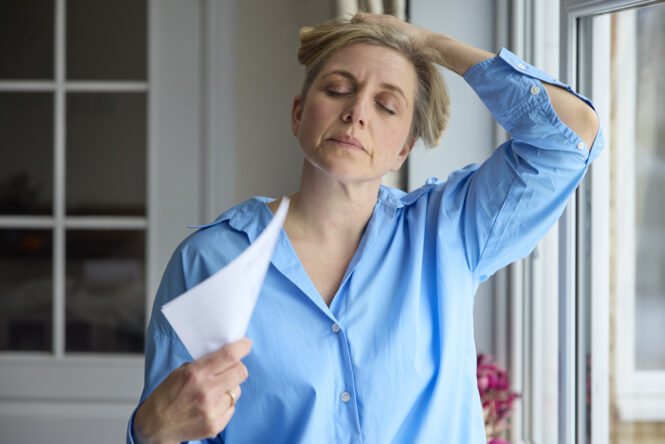
You’re not adjusting your routine to your cycle.
Even as your cycle becomes irregular, it still impacts how your body responds to exercise. Some weeks, you might feel strong and ready for a challenge. Other times, rest or gentler movement might be what your body truly needs. Rather than sticking to a rigid schedule, try tracking how you feel week to week. You’ll likely start to notice patterns—energy dips, sleep disruptions, increased soreness—that give you clues on when to push and when to pause.
Your joints feel stiffer than they used to.
Oestrogen plays a role in joint lubrication, so as levels drop, stiffness and soreness can creep in. That daily HIIT session or bootcamp class might now leave you hobbling the next morning, not because you’re weaker, but because your joints need more support. Focus on workouts that build joint stability and mobility without adding extra strain. Dynamic stretching, balance work, and resistance exercises with controlled movement can keep you strong without wrecking your knees or hips.
Your metabolism has changed, but your movement hasn’t.
Hormonal changes naturally impact your metabolic rate, but it doesn’t mean all progress is doomed. It just means you need to work with your body rather than against it. If your usual routine isn’t moving the dial anymore, that’s a sign to reassess, not to panic. Shorter, more focused workouts that include resistance and recovery tend to be more effective than long, draining cardio sessions. Your metabolism isn’t broken, you know. It just needs a more tailored approach now.

You’re skipping mobility and flexibility work.
If you’re only squeezing in workouts but ignoring stretching, your body’s probably feeling the effects. As we age, fascia tightens and muscles lose elasticity faster, so flexibility work becomes less optional and more essential. Incorporating yoga, foam rolling, or dynamic stretching into your routine can prevent injury, reduce inflammation, and make your other workouts feel smoother. It’s not just fluff, it’s the foundation.
You’re ignoring how stress is showing up physically.
Perimenopause is a perfect storm: hormonal shifts, life responsibilities, disrupted sleep, and emotional ups and downs. If you’re feeling puffy, exhausted, or “off” despite exercising, chronic stress might be interfering with your results. Stress-reducing practices—whether it’s restorative yoga, walking in nature, or just saying no more often—can make a bigger difference than another gym session. Balance your stress before you ramp up your sweat sessions.
You’re treating your body like it’s working against you.
It’s easy to feel betrayed by your body when it stops responding the way it used to. But frustration often makes us push harder or give up entirely, when what’s really needed is compassion and curiosity. Your body isn’t broken. It’s adapting. The more you listen and respond with care—not criticism—the more likely you are to find a fitness rhythm that actually works. Midlife movement should feel supportive, not like a punishment.