It is no secret that the “special relationship” has been under some serious strain lately, particularly with a US administration that prizes a very specific brand of strength above all else.
When you hear the word “weak” being thrown at Britain from across the Atlantic, it isn’t just a random insult; it’s a calculated critique of the UK’s current geopolitical and economic standing. To a world leader who views every alliance as a transaction and every negotiation as a battle of wills, Britain’s traditional “softly-softly” diplomacy can look more like a lack of spine than a strategic choice.
This friction has moved past vague rhetoric and into some very real, very public disagreements that have defined the last year of transatlantic relations. From how the UK handles its borders to the way it manages its territory in the Indian Ocean, there is a list of specific “failings” that have sparked this brutal criticism from Donald Trump. If you feel like the partnership is feeling a bit lopsided lately, you’re not alone. These 10 factors are exactly what’s behind the “weak” label being pinned on Britain right now.
1. The Chagos Islands deal looks like surrender to him.
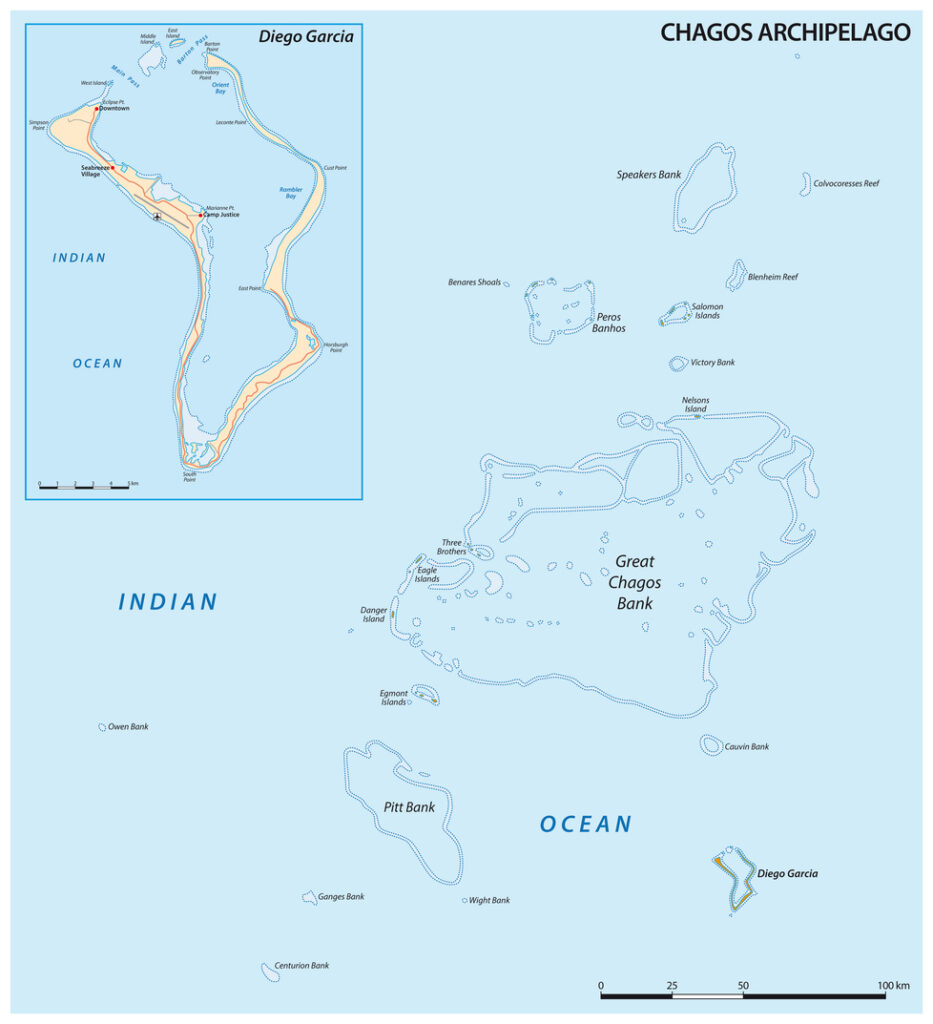
Trump called Britain’s decision to hand the Chagos Islands back to Mauritius “an act of GREAT STUPIDITY” and pure weakness. The deal involves giving up sovereignty over the archipelago, which includes Diego Garcia where there’s a vital joint US-UK military base. Even though Britain retains the base on a 99-year lease and the US originally supported the agreement, Trump’s now using it as proof that Britain gives away strategic assets for nothing. He sees it as handing leverage to potential adversaries without extracting enough value in return.
2. He thinks China and Russia are watching Britain’s every move.

Trump posted on social media that there’s “no doubt that China and Russia have noticed this act of total weakness” regarding the Chagos deal. He believes authoritarian powers only respect strength, and any sign of what he perceives as British softness sends the wrong message globally. His worldview centres on this idea that the world stage is governed by force and power, so diplomatic compromises or legal obligations look like vulnerability to him.
3. Defence spending remains his biggest complaint.
Britain currently spends about 2.3% of GDP on defence, which used to be respectable within NATO. Trump’s pushed for allies to hit 5% of GDP, a target most experts call unrealistic for peacetime democracies. The UK’s pledged to reach 2.5% by 2027 and possibly 3% later, but Trump doesn’t see this as enough. He’s convinced European allies have been freeloading off American military protection for decades, and modest increases won’t change his mind.
4. The special relationship doesn’t shield Britain from criticism.
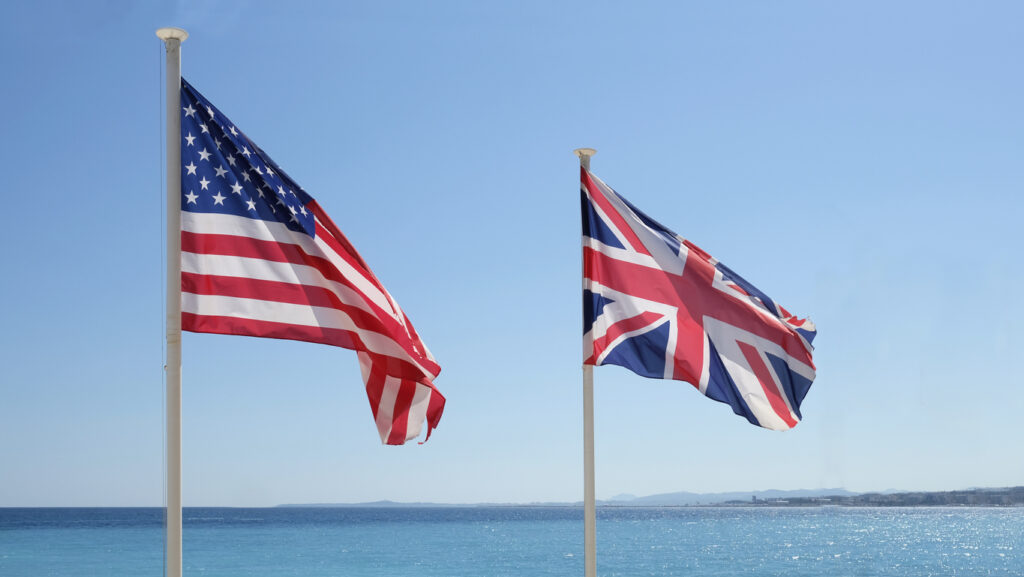
Despite being America’s closest ally, Britain still gets hammered when Trump thinks they’re making weak choices. The UK was the first country to strike a trade deal with Trump’s administration, and Prime Minister Keir Starmer tried using flattery and deference to build rapport. None of that mattered when Trump decided to blast Britain over Chagos, which humiliated Starmer publicly and proved that historical ties don’t buy immunity from Trump’s transactional approach to alliances.
5. Trump sees alliances as business deals, not partnerships.
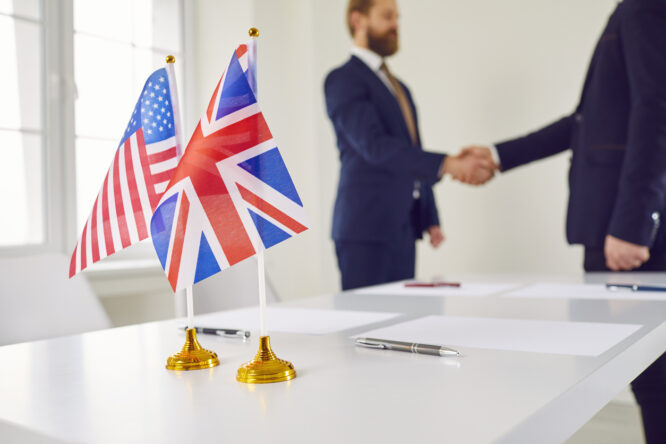
His entire approach treats NATO and allied relationships as transactions where each party must demonstrate measurable value. Trump’s repeatedly questioned Article 5, NATO’s mutual defence commitment, suggesting American protection depends on allies paying their share. He once told advisers he wanted to be the “rent collector” for NATO, which reveals how he thinks about security guarantees. Britain giving away territory with an American base, even with a lease arrangement, looks like poor business to him.
6. He believes Britain’s too soft on immigration and social issues.
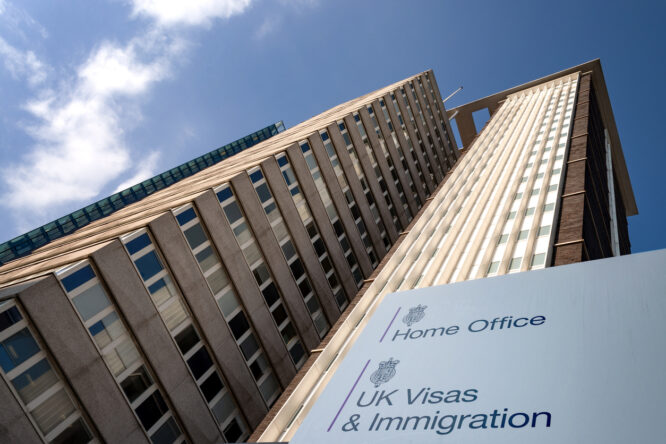
Trump and VP JD Vance have openly criticized Europe, including Britain, for what they see as civilizational decline driven by immigration policies and progressive social agendas. Vance gave a harsh speech at the Munich Security Conference attacking European partners for their priorities. This worldview suggests Britain’s focused on the wrong things instead of building hard military power and projecting strength, which Trump sees as fundamental weakness in a dangerous world.
7. The reversal on Chagos shows his judgement matters more than consistency.
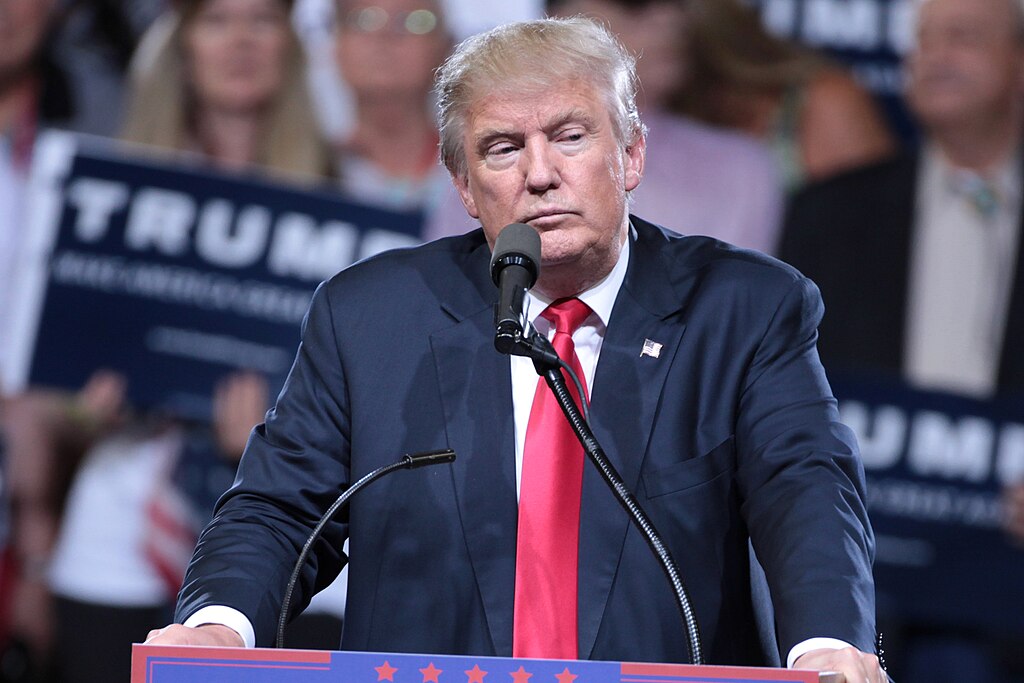
What makes Trump’s Chagos criticism particularly striking is that his administration actually supported the deal initially. Secretary of State Marco Rubio welcomed it as securing long-term stable operation of the base. Trump’s complete about-face demonstrates that his current assessment of strength and weakness matters more than previous positions or diplomatic continuity. He’s not bothered by the contradiction because he sees himself as the only one willing to call out bad decisions.
8. Europe’s energy dependence represents strategic weakness to him.

Beyond military spending, Trump views European reliance on others for energy as a critical vulnerability. Britain’s moved away from some fossil fuel dependence, but Trump sees the entire European approach to energy and climate policy as naive weakness. His administration withdrew from climate agreements and pushed allies to exploit more fossil fuels, viewing climate commitments as constraints that strong nations shouldn’t accept when rivals like China and Russia aren’t hamstrung by the same rules.
9. He wants Britain buying American weapons, not just spending more.
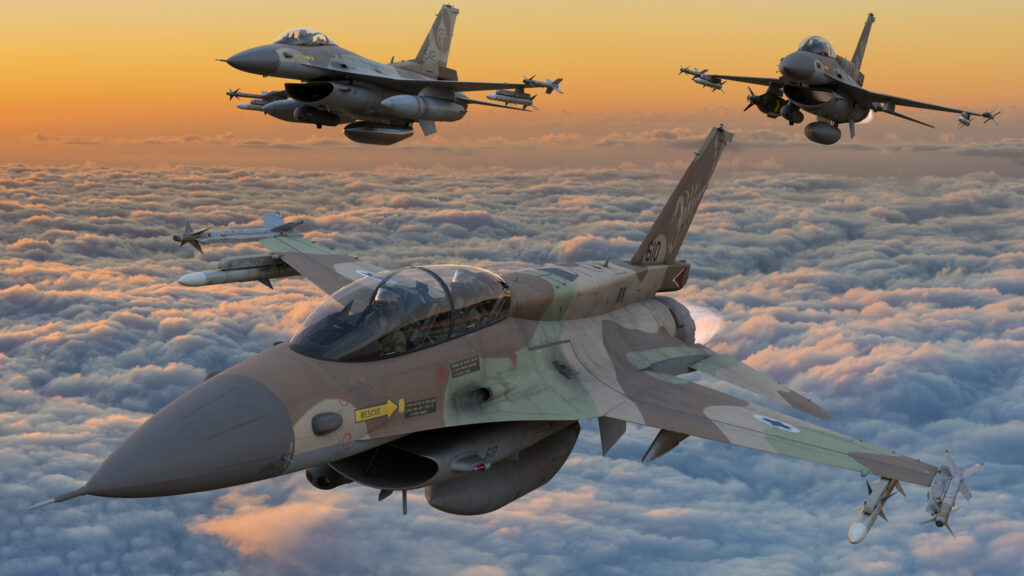
Trump’s defence spending demands aren’t just about hitting percentage targets. He expects increased European military budgets to flow largely to American manufacturers, which would help reduce US trade deficits while strengthening NATO. Britain spending billions on US equipment matters more to Trump than how that money gets used strategically. His focus stays on the transactional benefit to America rather than overall alliance capability.
10. Trump thinks the Ukraine war proves Europe can’t defend itself.

Russia’s invasion of Ukraine and Europe’s heavy dependence on American military aid reinforced Trump’s view that European allies, including Britain, aren’t strong enough to handle threats without US support. He’s pushing for a negotiated settlement with Russia that many Europeans oppose, and their resistance frustrates him because he sees them as unable to achieve their goals through their own military strength. Britain’s response to Ukraine, while significant, still relies on American leadership and resources, which Trump interprets as fundamental weakness rather than sensible alliance burden-sharing.