We’ve always been a bit obsessed with American culture, but lately, it feels like we’ve hit a breaking point where things have just become a bit too much.

For a while, we leaned into the loud, polished, and slightly aggressive style of doing things from across the pond, but the novelty has well and truly worn off. Now, there’s a proper movement to get rid of the Americanisms that feel fake or forced and go back to the understated, slightly self-deprecating way we used to handle life.
From the way we celebrate weddings to the language we use in the office, we’re starting to realise that the grass isn’t always greener—it’s just often plastic. These 13 habits are the ones we’re finally dropping as we rediscover that being a bit more British isn’t such a bad thing after all.
1. Saying “you’re welcome”

This one’s become a proper dividing line. Traditional British responses like “no worries,” “not at all,” or just a quick nod have always felt more natural here. When “you’re welcome” started creeping into everyday conversation, many Brits instinctively pulled back from it. It’s not that there’s anything wrong with the phrase itself, but it carries an American flavour that doesn’t quite sit right. You’ll still hear older generations mumbling “it’s quite alright” or “don’t mention it” instead, and younger Brits often default to “no problem” to avoid the whole issue entirely.
2. Using American spellings online

There was a brief period where British people worried about being understood internationally online, so they’d type “color” instead of “colour” or drop the ‘u’ from “favourite.” That’s mostly stopped now. Autocorrect has actually helped here because it reinforces British spellings for people who have their devices set to UK English. Most Brits now stubbornly stick to their extra vowels and swapped letters, seeing it as a small act of cultural preservation in an increasingly American-dominated internet.
3. Calling films “movies”

Film was the word. It’s what British people grew up saying, what was printed in newspapers, what everyone understood. Then American entertainment culture became so dominant that “movie” started slipping into conversations here. Now there’s a conscious resistance to it, particularly among people who work in the industry or consider themselves proper film buffs. You’ll hear parents correcting their children: “We’re going to see a film, not a movie.” It’s become one of those linguistic boundaries people actually defend.
4. Celebrating Halloween like America does

British Halloween used to be a fairly low-key affair—maybe some apple bobbing, a few decorations, nothing too elaborate. Then the American version arrived with its elaborate costumes, trick-or-treating culture, and massive commercial push. For a while, it seemed like Britain might fully embrace it. But there’s been a notable pullback, especially among people who remember what Halloween used to be like here. Many households now ignore it entirely or stick to more traditional autumn celebrations instead. The cultural cringe factor kicked in when people realised how much money and effort was going into copying something that wasn’t really ours to begin with.
5. Going to prom

British schools started introducing proms in the late 1990s and early 2000s, copying the American high school tradition. It seemed exciting at first—fancy dresses, hired cars, a big send-off for school leavers. But the backlash came quickly. Parents complained about the cost, teachers worried about the pressure it created, and many students found the whole thing a bit embarrassing. Quite a few schools have now scaled back their proms significantly or replaced them with more casual leaving parties. There’s a growing sense that it was never really a British thing and trying to force it just highlighted the cultural disconnect.
6. Black Friday shopping

When Black Friday first arrived in Britain, people genuinely queued up for the sales and got properly excited about it. That lasted about three years. Now most Brits either ignore it completely or buy things online without the fanfare. The aggressive shopping scenes, the manufactured urgency, the whole spectacle of it felt increasingly American and slightly ridiculous in a British context. Retailers still push it hard, but consumer enthusiasm has noticeably dampened. People realised they were participating in something that had nothing to do with British culture and didn’t even make sense here since we don’t have Thanksgiving.
7. Excessive tipping
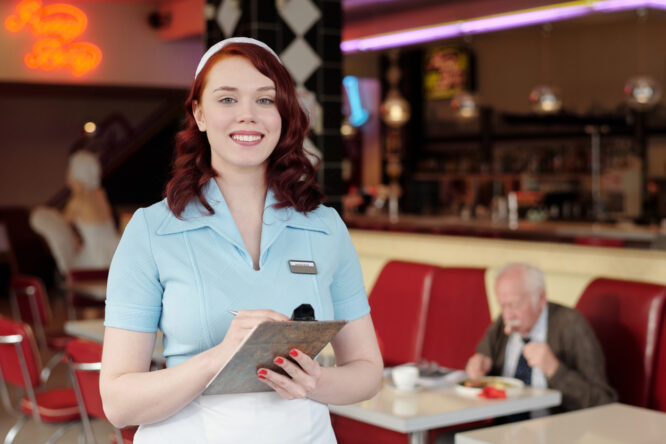
British tipping culture has always been more restrained than America’s—10% for good service, maybe round up the bill, nothing for counter service. When some restaurants started adding automatic service charges and expecting American-style tipping percentages, people pushed back. There’s been a conscious resistance to letting tipping become what it is in America, where it’s practically mandatory regardless of service quality. Most Brits still tip when service genuinely warrants it, but they’re determined not to let it become an expected 20% on everything.
8. Using American measurements

For a while, some British people started using Fahrenheit when talking about hot weather because it sounded more impressive. “It’s going to be 90 degrees!” has more impact than “It’s going to be 32 degrees!” The novelty wore off quickly, and now there’s active resistance to this. The same goes for using pounds for body weight instead of stone, or talking about distances in feet when metres or miles would do. People realised they were abandoning measurements that actually made sense in British context just to sound more dramatic or international.
9. Calling autumn “fall”

This probably gets the strongest reaction of all. Autumn is the British word, it’s been the British word forever, and “fall” sounds jarringly American in a British accent. Children sometimes pick it up from American shows or books, and parents immediately correct them. It’s one of those words where the American version hasn’t gained any ground at all in Britain because people actively reject it. Unlike some American terms that have snuck into common usage, “fall” remains firmly in the “absolutely not” category.
10. Baby showers before birth

Traditional British culture didn’t really do baby showers, or if it did, they happened after the baby arrived. The American tradition of celebrating before birth started catching on here, complete with games, gift registries, and gender reveals. But there’s been a noticeable retreat from this, partly due to superstition (many Brits still feel uncomfortable celebrating before a baby’s safely arrived) and partly because the whole thing feels like imported American culture. Postnatal gatherings where people actually meet the baby are making a comeback instead.
11. Sports metaphors in everyday speech

American sports metaphors have crept into British business culture: “stepping up to the plate,” “touchdown,” “home run,” that sort of thing. They sound completely unnatural in British conversation because most people here have never watched baseball or American football and don’t understand the references. There’s been a conscious move away from using them, even in corporate environments where they briefly seemed trendy. People defaulted back to football (the actual football) references or just plain English instead.
12. Calling it “the holidays”

Christmas is Christmas in Britain. The period around it might be the Christmas holidays or the festive period, but calling it simply “the holidays” in the American sense doesn’t really work here. For a while, some British companies adopted American corporate speak and started using “happy holidays” in their communications. The response was mostly baffled irritation. Most businesses have quietly gone back to saying Christmas, recognising that the American sensitivity around religious holidays doesn’t translate to British culture in the same way.
13. Ranch dressing on everything
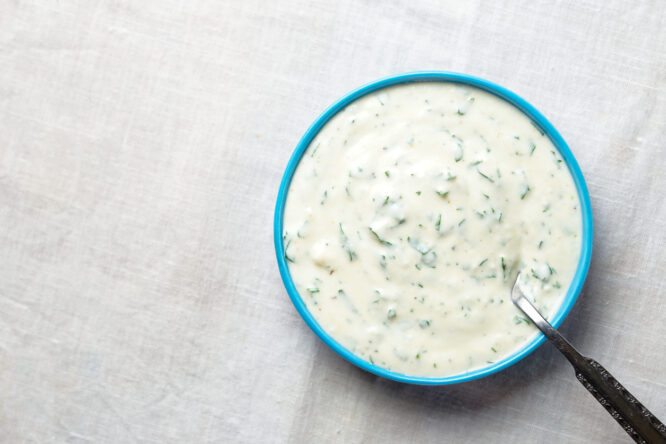
When ranch dressing first appeared in British supermarkets, it seemed like it might become the next big thing. People tried it, restaurants added it to menus, it showed up at barbecues. Then everyone collectively decided it was a bit odd and went back to normal condiments.
Ranch hasn’t disappeared entirely, but the enthusiastic adoption phase is definitely over. It turned out that Brits weren’t actually that interested in replacing their traditional sauces with something that tasted distinctly American, no matter how popular it was elsewhere.