Growing up in 1960s Britain was like watching the world move from black and white into high-definition colour right in front of your eyes.
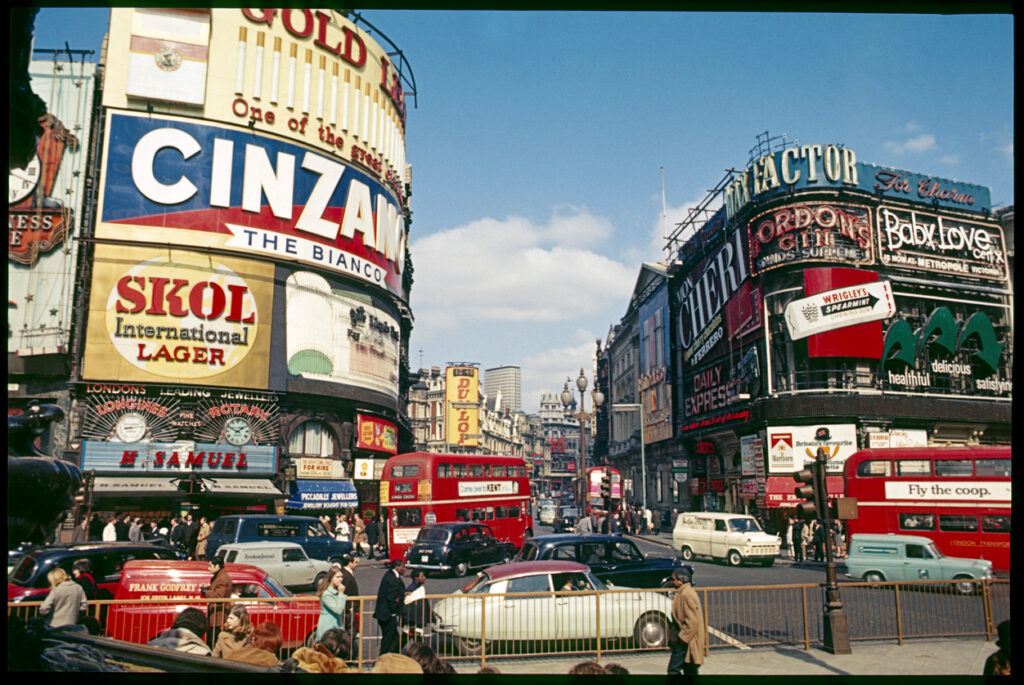
It was a decade where the stuffy, post-war rules finally started to crumble, and suddenly, everything from the music on the radio to what you could say in public was changing at a breakneck pace. If you were there, you don’t just remember the big headlines; you remember the specific feeling of the air shifting as the country moved away from the shadow of the ’50s. It was a time of massive highs and some pretty deep lows, and if you lived through it, these moments are probably permanently etched into your brain.
There’s a certain bond between people who experienced that decade, mostly because the events were so huge they felt like they were happening right on your doorstep. Whether it was the entire country stopping to watch a football match or the sheer terror and heartbreak of a local tragedy, the ’60s didn’t do things by halves. It was a decade of firsts and lasts that redefined what it meant to be British. These 12 events are the ones that define the era for anyone who was young enough to see the world changing and old enough to never forget it.
1. England winning the World Cup in 1966

The whole country went absolutely mad when England beat West Germany 4-2 at Wembley. Geoff Hurst’s hat-trick made him a national hero, and that controversial third goal is still talked about today. People gathered round tiny black and white televisions in living rooms and pubs to watch the match.
Bobby Moore lifting the Jules Rimet trophy became one of the most iconic images in British sporting history. The celebrations went on for days, and suddenly, everyone was talking about football. It was a rare moment of pure national pride during a decade of social upheaval.
2. The Beatles taking over the world
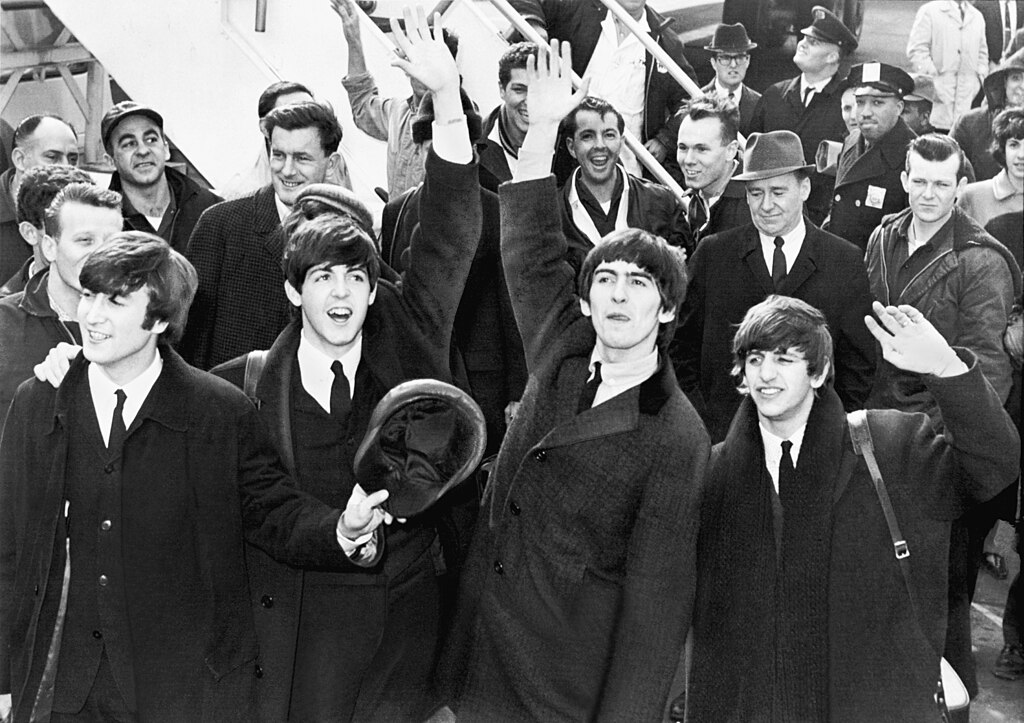
Four lads from Liverpool changed music forever and put Britain at the centre of global youth culture. Beatlemania swept the country first, with screaming fans mobbing the band wherever they went. Their appearance on Sunday Night at the London Palladium in 1963 caused absolute chaos, and girls were fainting in the streets.
By 1964, they’d conquered America and were the biggest band on the planet. Every kid wanted to grow their hair long and form a band, and parents were horrified by the noise. The Beatles represented everything new and exciting about the decade, and their music was the soundtrack to millions of British childhoods.
3. Pirate radio stations broadcasting from the sea
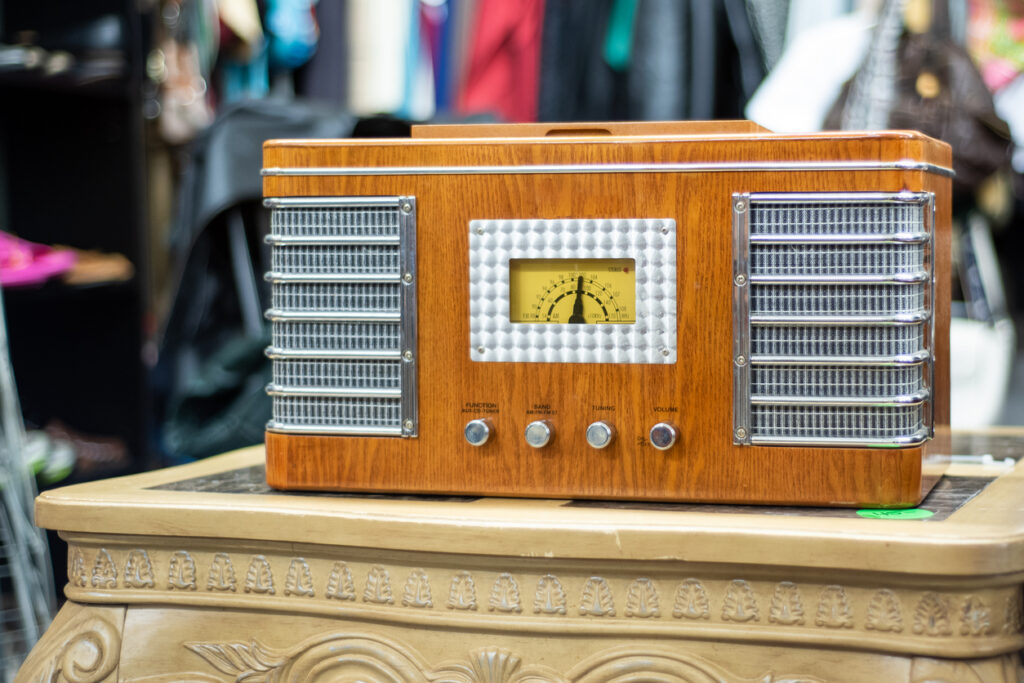
Radio Caroline and other pirate stations anchored off the coast played the pop music the BBC refused to broadcast. The official stations were stuffy and limited, playing mainly classical and light entertainment. These illegal ships gave young people the music they actually wanted to hear, with DJs who had personality and energy.
You’d tune in on your transistor radio and finally hear The Rolling Stones, The Kinks and American soul music. The government hated them and eventually shut them down with the Marine Broadcasting Offences Act in 1967. But they’d already changed British radio forever, proving there was massive demand for pop music programming.
4. The Profumo Affair scandal
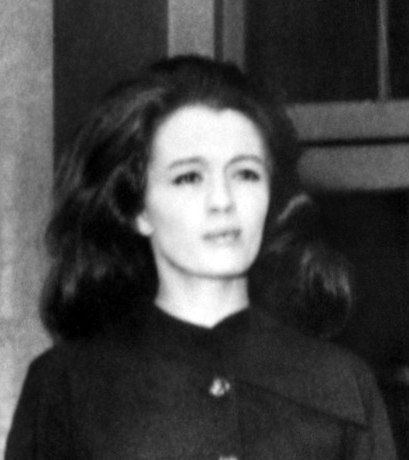
When it came out that the Secretary of State for War had an affair with Christine Keeler, who was also involved with a Soviet naval attaché, the government nearly collapsed. The scandal had everything: sex, spies, lies to Parliament and high society parties. John Profumo resigned in disgrace in 1963, and Prime Minister Harold Macmillan’s government never recovered.
People were glued to their newspapers as new details emerged daily. It shattered the image of respectable British politicians and showed that the establishment wasn’t as proper as it pretended to be. The scandal contributed to the Conservatives losing the 1964 election.
5. The Aberfan disaster in Wales
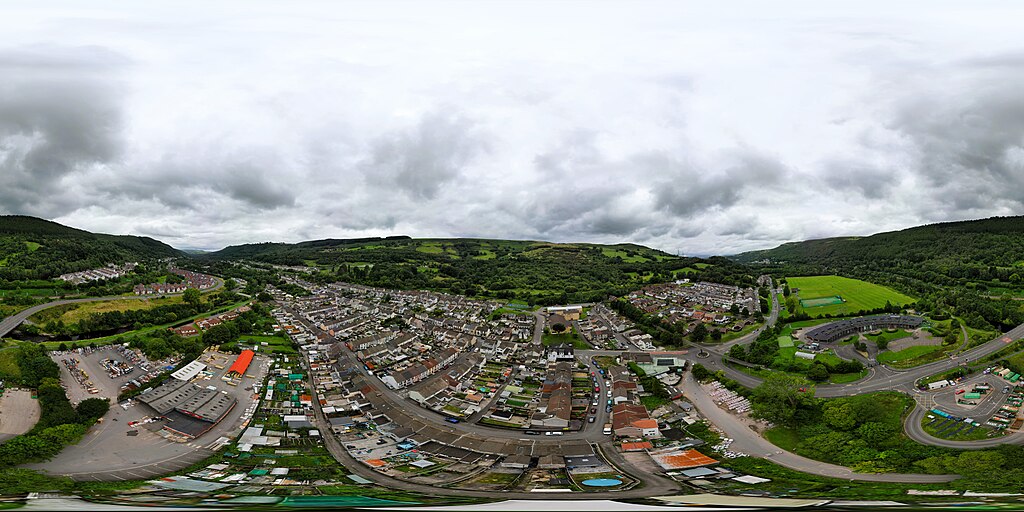
In October 1966, a coal tip collapsed above the village of Aberfan, burying Pantglas Junior School and killing 144 people, mostly children. The whole country was in shock and mourning. Television cameras showed the desperate rescue efforts, and people watched in horror as the scale of the tragedy became clear.
The disaster was entirely preventable, caused by negligence from the National Coal Board. The emotional impact on the nation was enormous, and the sight of those small coffins being carried through the village haunted everyone who saw it. It exposed the dangerous working and living conditions in mining communities that had been ignored for too long.
6. Mods and Rockers fighting at seaside resorts
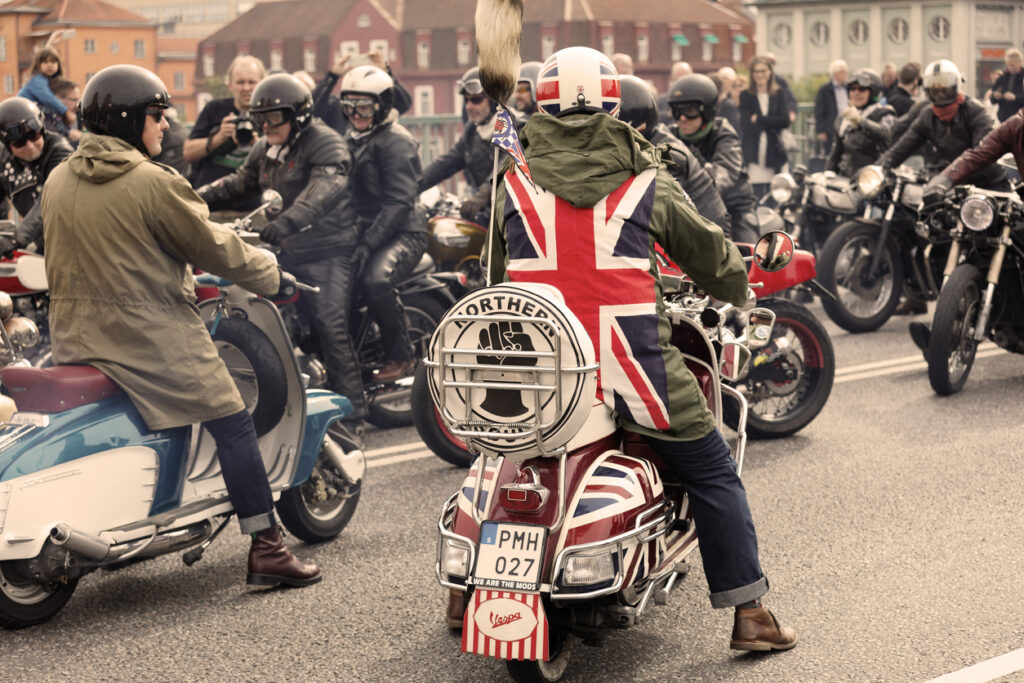
Bank holiday weekends in 1964 saw violent clashes between mods on their scooters and rockers on motorbikes at places like Brighton, Margate, and Clacton. The media had a field day, running sensational stories about youth violence and moral decay. In reality, most of it was posturing and minor scuffles, but a few serious fights did break out.
The clashes represented the generation gap and the emergence of distinct youth subcultures that baffled and frightened older people. Parents were convinced the country was going to hell, while young people were just trying to establish their own identities. The whole thing was blown out of proportion, but it captured the anxiety about changing youth culture.
7. The Great Train Robbery
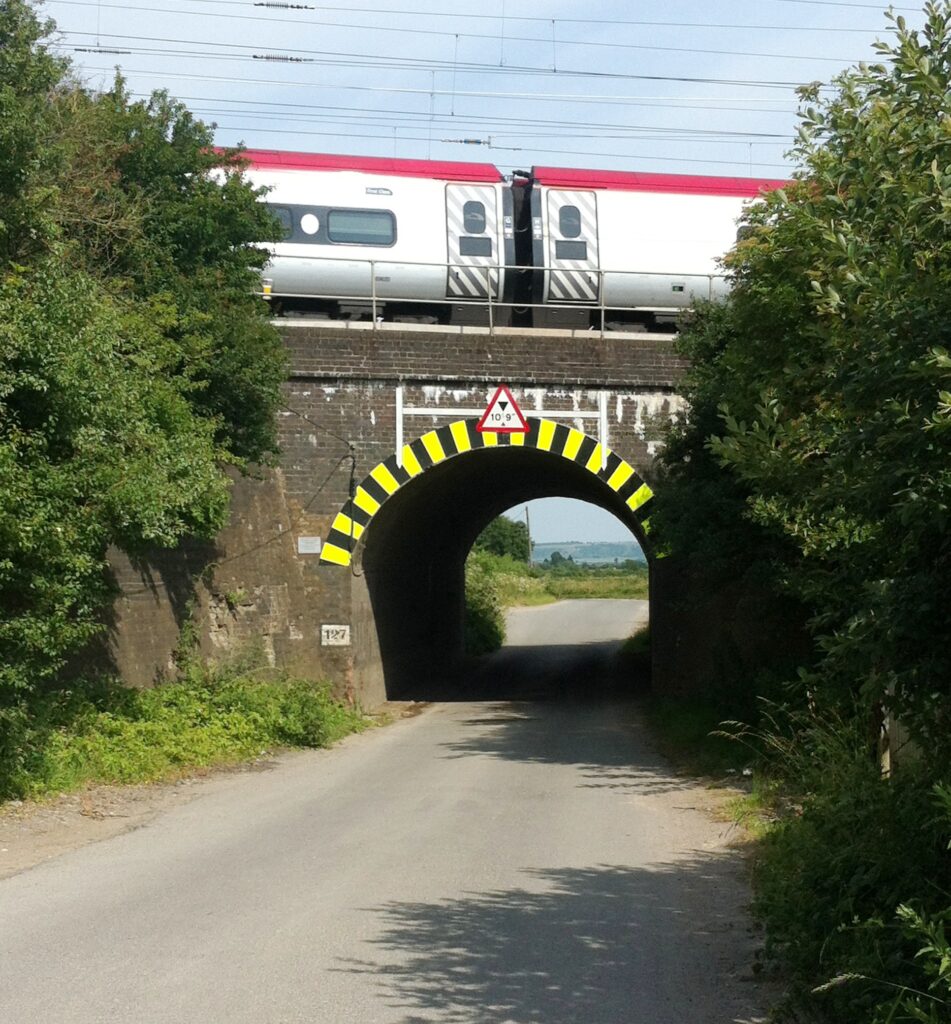
In August 1963, a gang stole £2.6 million from a Royal Mail train in Buckinghamshire, which was an astronomical sum at the time. The audacity of the heist captured the public imagination, and the criminals became almost folk heroes. The gang had stopped the train and overpowered the staff without firing a shot, making off with bags of cash.
When they were eventually caught and sentenced to 30 years each, people thought it was excessive for a non-violent crime. Ronnie Biggs escaping from prison and fleeing to Brazil added to the legend. The robbery was talked about for years and became part of British criminal folklore.
8. Decimal currency preparation causing confusion

The announcement that Britain would switch to decimal currency had everyone confused and worried about the change. Pounds, shillings, and pence had been around forever, and suddenly the government wanted to simplify everything. Schools started teaching the new system years in advance, and there were information campaigns everywhere.
Older people especially struggled with the idea of abandoning a system they’d used their entire lives. The actual change didn’t happen until 1971, but the 1960s were full of anxiety and preparation. People worried shopkeepers would use the confusion to raise prices, which many eventually did.
9. Comprehensive schools replacing grammar schools
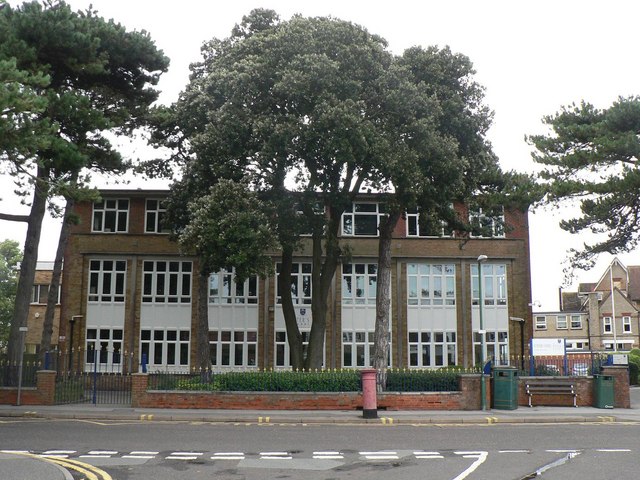
The push to abolish the 11-plus exam and create comprehensive schools that everyone could attend sparked huge debates. Grammar schools had been seen as the route to success for bright working-class kids, but they also created a divided system. Comprehensives were meant to give everyone equal opportunities regardless of their exam results at age 11.
Middle-class parents were often furious, convinced standards would drop, and their children would suffer. The changeover happened gradually through the late 1960s and varied by area. It represented a fundamental change in British education and class structure.
10. The moon landing broadcast on television

Even though it was an American achievement, British families stayed up through the night in July 1969 to watch Neil Armstrong walk on the moon. It felt like witnessing something impossible become real. The grainy black and white footage was mesmerising, and the whole concept that humans had left Earth and landed on another world was mind-blowing.
Schools talked about it for weeks afterwards, and suddenly everyone wanted to be an astronaut. It was a moment of shared wonder that transcended national boundaries. For kids growing up then, it made the future feel full of unlimited possibilities.
11. The contraceptive pill becoming available

When the pill was approved for contraceptive use in 1961, it started a sexual revolution that changed British society. Initially, it was only for married women, but by 1967 it was available to single women too. This gave women control over their own fertility for the first time in history.
The older generation was scandalised, claiming it would lead to moral decay and promiscuity. For young women, it meant freedom to pursue careers and relationships without constant fear of pregnancy. The pill was central to women’s liberation and changing attitudes about sex and marriage throughout the decade.
12. The abolition of theatre censorship
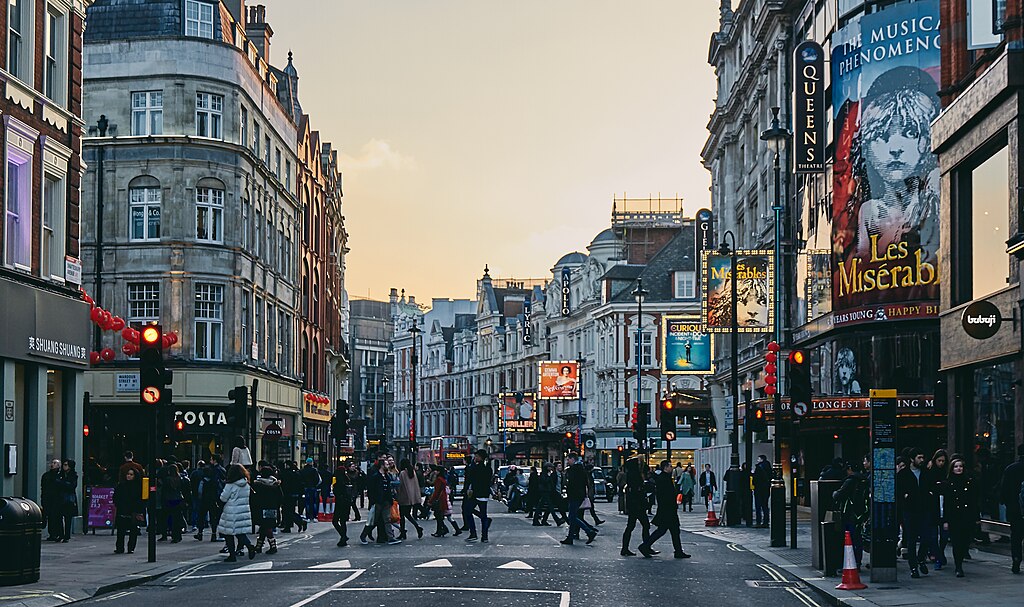
Until 1968, the Lord Chamberlain had to approve every play performed in Britain, and anything controversial got banned or heavily censored. The Theatres Act ended this ridiculous system, allowing playwrights to tackle subjects like homosexuality, politics, and religion freely.
Suddenly, British theatre exploded with provocative new work that actually reflected real life. Plays like Hair arrived with full nudity and swearing, which would’ve been impossible just months earlier. It was part of the broader relaxation of censorship laws throughout the 1960s. The change reflected growing impatience with outdated moral restrictions and recognition that adults should be trusted to make their own judgements about what they watched.