The idea of a trade war is enough to make anyone nervous, especially when so much of what we use comes from across the Atlantic.

However, the reality is that the UK has options, and we ought to be taking advantage of them. While we’ve relied on the US for a huge range of products for decades, many of those supply lines are more about habit than necessity. If tariffs start to bite, it makes a lot of sense to look at partners who are closer to home or easier to deal with. Moving our business elsewhere isn’t just a defensive move; it’s a way to make our own economy more resilient and support producers who don’t change their trade rules on a whim.
Liquid natural gas (LNG)

Since the fallout from the war in Ukraine, the US has become our biggest source of LNG, but that comes with a massive carbon footprint and a high price tag for shipping it across the ocean. Norway is already our most reliable neighbour for gas and has the capacity to increase its pipeline supply. Beyond the Nordics, Qatar remains a global powerhouse in the market. By diversifying our energy sources, we stop being so vulnerable to the “America First” energy policies that can see prices spike whenever Washington feels like it.
Soya beans
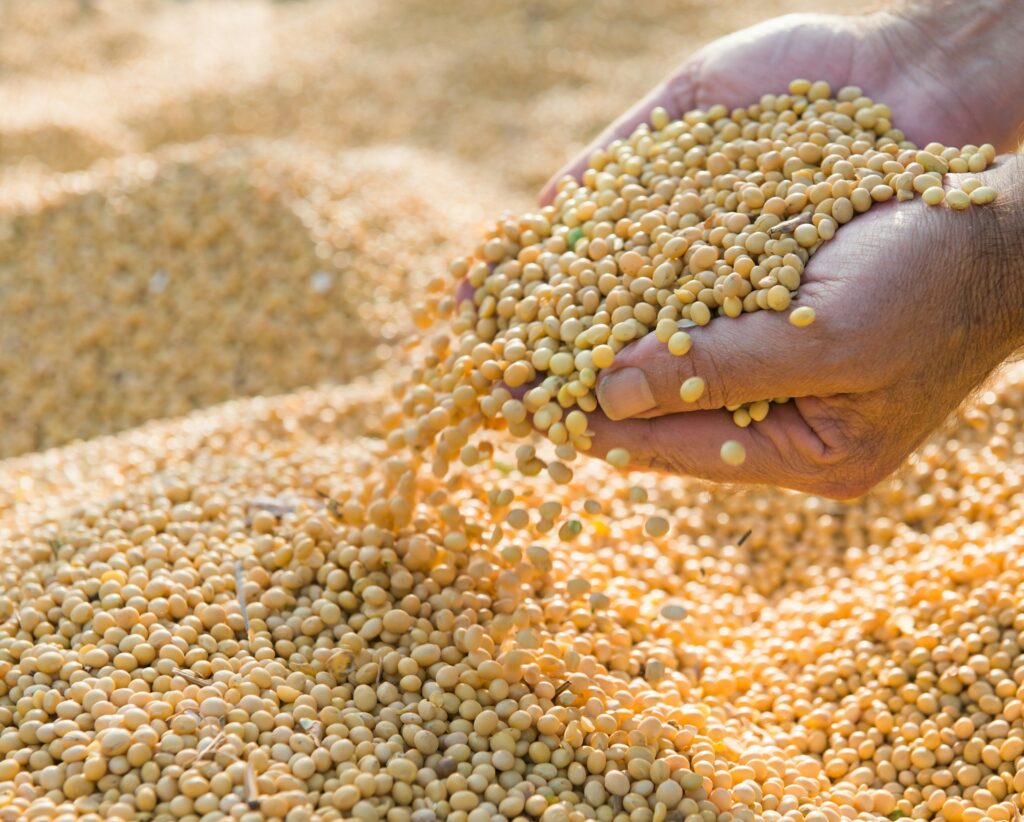
The US is the world’s heavy hitter for soya, which is a vital part of the UK’s animal feed and food manufacturing industries. However, Brazil and Argentina are massive competitors that produce similar volumes. While there are legitimate concerns about deforestation in South America, moving our contracts there—while sticking to strict environmental standards—would show the US that we aren’t tied to their Midwestern farms. It’s about making sure our farmers aren’t left stranded if US agricultural tariffs start to move in a bad direction.
Medical equipment

A huge amount of the high-tech kit in our hospitals, from MRI scanners to advanced surgical tools, is imported from US companies like GE and Medtronic. However, Germany and the Netherlands are equally advanced in medical engineering. In fact, many European companies are world leaders in precision medical tech. Switching to EU suppliers often means easier access to spare parts and technicians who don’t have to fly across an ocean, making our healthcare infrastructure a lot more stable.
Maize (corn)

American corn finds its way into everything from livestock feed to the syrups in our processed foods. But we don’t need to ship it 3,000 miles. France and Ukraine are massive maize producers and are much closer to home. Ukraine in particular has become a vital “breadbasket” for Europe; supporting their agricultural sector instead of the US is a logical move that keeps our supply chains shorter and more predictable.
Pharmaceutical ingredients
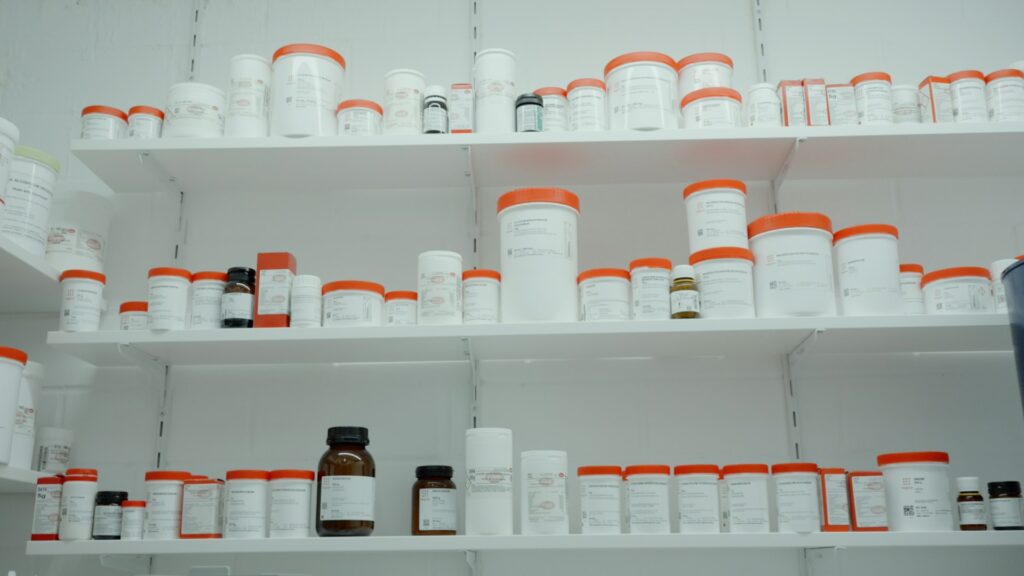
While the big brand names are often American, the actual active ingredients (APIs) for many common medicines are frequently produced in India or within the EU. India has a massive, highly regulated pharmaceutical sector that already supplies a huge portion of the world’s generic drugs. By dealing directly with these hubs, we can secure the supply of essential medicines like antibiotics and heart medication without being caught in a transatlantic trade spat.
Wine

California wine is a staple in UK supermarkets, but it is a massive traveller. We are sitting right next to the world’s greatest wine producers. France, Spain, and Italy can easily fill any gap left by Napa Valley, often for a lower price and a much smaller environmental impact. It is a simple switch for consumers that supports European neighbours, who are far less likely to slap sudden taxes on our own exports.
Coal

We don’t burn much coal for power anymore, but we still need it for high-heat industrial processes like steel making. We currently get a fair amount from the US, but Australia and South Africa have enormous reserves and are already set up for large-scale maritime exports to the UK. There is no reason to be reliant on American mines when we have long-standing trade ties with Commonwealth partners who have plenty to spare.
Hardwood timber

The US exports significant amounts of oak and walnut to the UK for our furniture and flooring industries. But the Baltic states—Estonia, Latvia, and Lithuania—along with Scandinavia, have some of the best-managed forests on the planet. Their timber is world-class, and the shipping routes are significantly shorter. Buying European wood is a better way to ensure we’re getting sustainably sourced materials without the American price mark-up.
Fruit and nuts

From almonds to citrus, the UK buys a lot of produce from California’s Central Valley. However, the Mediterranean and North Africa have near-identical growing conditions and are a fraction of the distance away. Spain, Turkey, and Morocco are already massive exporters to the UK; leaning on them more heavily for our nuts and fruit just makes geographical and financial sense.
Office machinery and computers

Many of our tech brands are American, but the hardware is almost exclusively built in Asia. By dealing more directly with tech giants in Taiwan, South Korea, and Vietnam, we can bypass the American middleman and the extra costs that come with their trade policies. This is a move toward more direct, transparent tech procurement that doesn’t rely on whatever the current mood is in Washington.
Aircraft parts

The aerospace industry is heavily skewed toward the US because of Boeing, but Airbus is a massive European alternative that already has a huge presence in the UK (like their wing-making plant in Wales). Transitioning our procurement focus toward European-led aerospace projects keeps high-tech jobs and investment within our own region, rather than sending that capital across the Atlantic. Plus, given Boeing’s less than stellar safety rating in recent years, this might be a good transition to make!
Animal feed and supplements
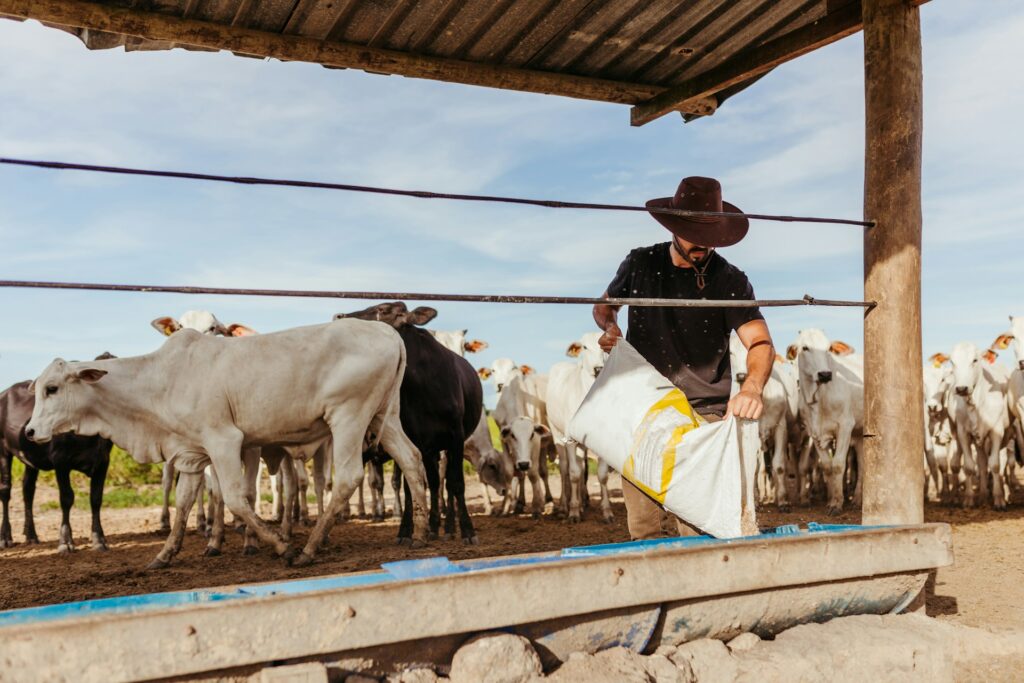
Beyond basic soya, many of the specialised enzymes and vitamins used in modern farming are imported from the US. However, Denmark and Ireland have rapidly growing biotech sectors that specialise in exactly these kinds of agricultural products. We could easily replace US imports with high-quality, regulated alternatives from our nearest neighbours.
Plastics and synthetic rubbers
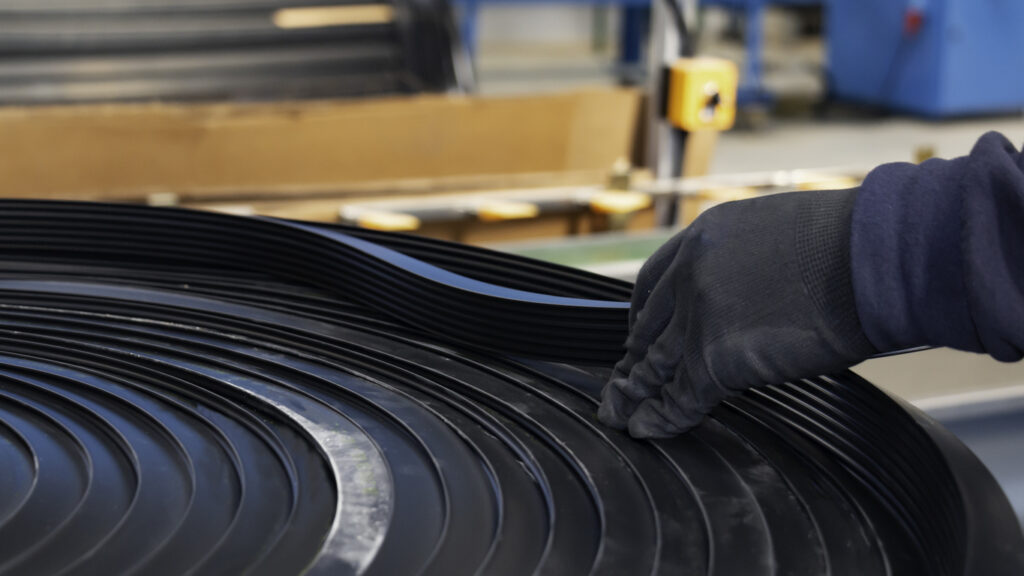
The US petrochemical industry is a titan, but we have significant capacity right here in the UK at sites like Grangemouth. For what we can’t make ourselves, the Middle East and the EU have massive outputs. Moving away from US-derived plastics would reduce our reliance on their volatile oil and gas market, which often dictates the price of these synthetic materials.
Paper and cardboard

With the explosion of online shopping, our need for packaging has never been higher. Canada is a huge supplier, but so are the Scandinavian countries, who have turned paper production into a high-tech, sustainable art form. Their proximity to the UK makes them a far more sensible choice for the bulk materials that keep our delivery network moving.
Beauty and skincare products

The US has some of the world’s biggest marketing machines in the beauty industry, but France and South Korea are the actual innovators when it comes to the science of skincare. Most of what we import from the US in this category is about brand loyalty rather than a unique product. Switching to European or Asian skincare brands often means getting better ingredients and more innovative formulas for the same price.