The 1980s had a very specific idea of the future.
It was shiny, loud, slightly aggressive, and absolutely convinced we’d all be living inside some kind of neon control panel by now. The UK in particular was imagined as a place full of chrome trains, robot assistants, and people strutting around in sharp outfits looking busy and important.
Fast-forward to 2026 and, well… the vibe is different. Some predictions were oddly close, but others missed the mark so badly they feel almost sweet. Here’s how the ’80s thought things would turn out, compared to what actually happened.
Everyone would be wearing silver jumpsuits by now.

The future wardrobe, according to the ’80s, was basically space disco. Shiny fabrics, angular cuts, and outfits that looked like they came free with a synthesiser. Britain was imagined as a nation of confident people dressed like backup dancers in a sci-fi music video. In reality, life on our little island today is a mix of athleisure, vintage jumpers, and coats that all somehow look the same. Comfort won. Most people dress for the weather, the commute, and whether their clothes survive the wash, not for intergalactic flair.
Cities would glow with neon lights everywhere.
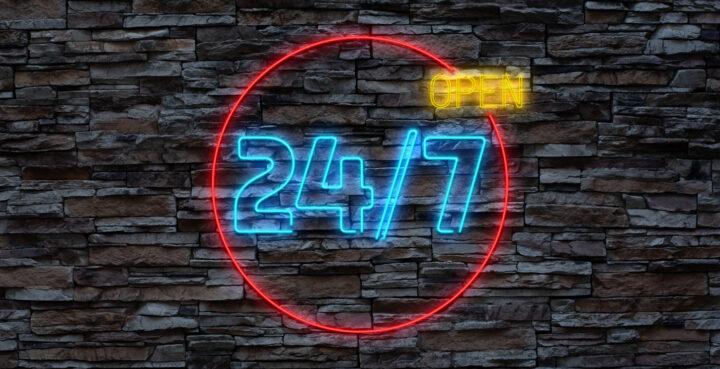
’80s visions of our country leaned hard into glowing signs, digital billboards, and streets permanently lit like an arcade. Every city centre was supposed to look like a cyberpunk playground after dark. What we actually got was energy-saving LEDs, planning permission battles, and councils dimming streetlights to save money. A lot of the UK looks darker now, not brighter, and the neon dream mostly lives on in retro bars.
We’d all be commuting on high-speed monorails.
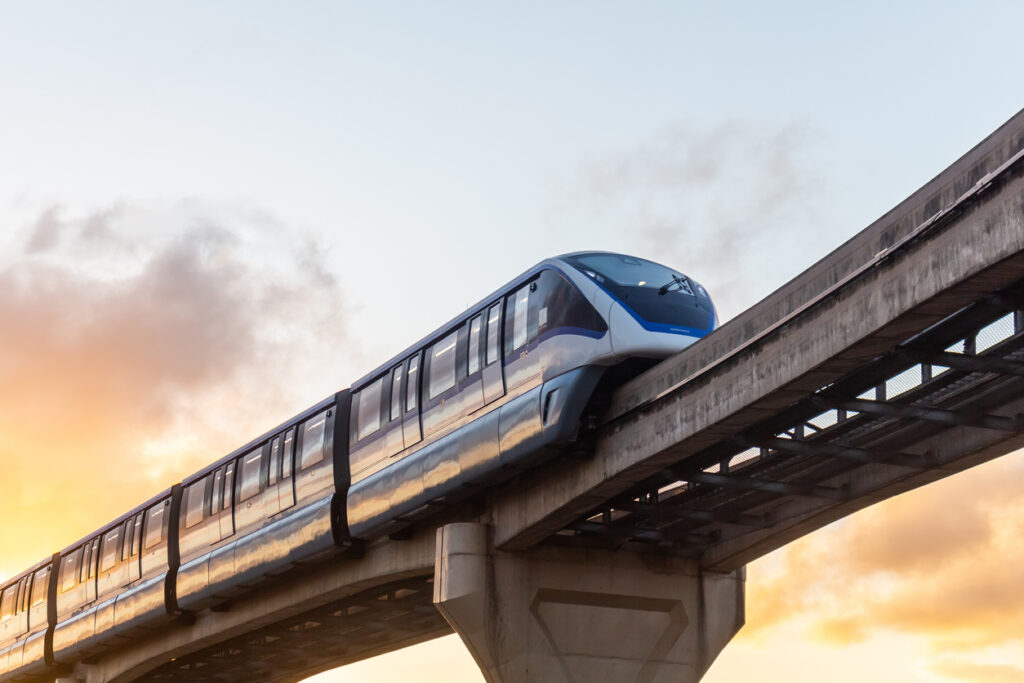
Public transport in the future was meant to be sleek, silent, and fast. The ’80s assumed the UK would be crisscrossed with elevated trains gliding effortlessly between cities. Instead, we’re still arguing about rail upgrades, ticket prices, and delayed services. The trains exist, but they’re more likely to smell faintly of coffee and disappointment than feel futuristic.
Robots would handle everyday life.
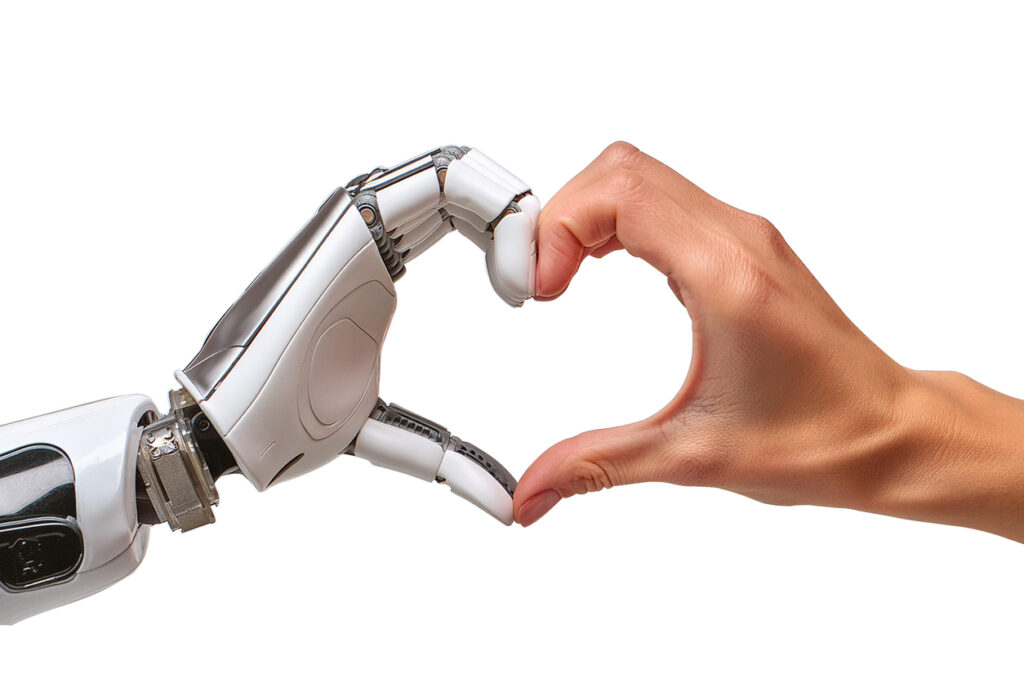
From cleaning to cooking, robots were meant to take over the boring stuff. Our future homes were imagined as humming with helpful machines that freed everyone up for leisure. In reality, we got apps, self-checkouts, and devices that mostly listen by accident. The robots didn’t take our chores, but our phones quietly took our attention instead.
The UK would be more formal, not more casual.

The future was supposed to look sharper. People in ’80s predictions often wore suits, power outfits, and very serious expressions, even when relaxing. These days, we definitely lean casual to the core. Workwear blurred into homewear, offices relaxed their rules, and comfort became socially acceptable everywhere except maybe weddings and courtrooms.
Technology would feel visible and impressive.
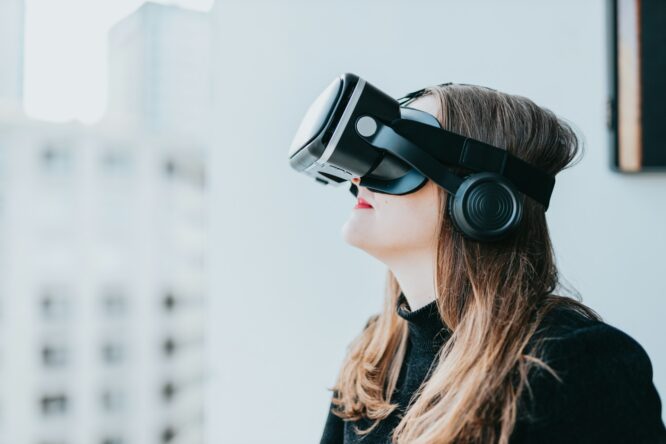
In the ’80s, future tech had blinking lights, chunky buttons, and dramatic sound effects. Our future was imagined as loud, obvious, and slightly intimidating. Modern tech is quiet, flat, and tucked away. The most powerful tools fit in your pocket and look boring by design. The future arrived disguised as minimalism.
The UK would feel more unified and confident.

There was an assumption that technological progress would naturally bring social confidence and national clarity. The future UK of the ’80s felt assured about where it was going. Reality is more uncertain, unfortunately. Life here in the present day feels reflective, divided, and often unsure. The tech improved faster than the collective mood.
Work would be mostly automated.

’80s predictions suggested machines would take over repetitive jobs, leaving humans to do creative or meaningful work. Instead, many people feel busier than ever. Work followed us home through emails, messages, and notifications. The hours didn’t disappear, they just spread.
Everyone would live in futuristic tower blocks.

Housing in the future was imagined as tall, clean, and uniform. Britain’s towns were expected to become vertical and ultra-modern. In reality, the UK still loves its terraces, semis, and awkward extensions. New builds exist, but most people live in homes that would look familiar to their grandparents.
Screens would replace almost everything physical.

The ’80s assumed books, papers, and physical media would vanish completely. The UK’s future was meant to be fully digital. While screens dominate, physical things never fully went away. Books are still loved, vinyl came back, and many people prefer real objects when life feels too online.
We would be louder and more dramatic as a culture.
The future was imagined as bold and noisy, full of strong colours, confident statements, and constant motion. Modern Britain feels more understated. Trends lean muted, interfaces are gentle, and there’s a quiet exhaustion in the background that the ’80s never predicted.
People would trust technology completely.

’80s optimism assumed people would embrace tech without much suspicion. Progress was framed as unquestionably good. These days, however, we’re a lot more cautious, and rightfully so. People worry about privacy, algorithms, and who benefits most. Trust didn’t disappear, but it became conditional.
Life would feel faster but lighter.

The future was meant to be efficient and freeing, with technology reducing stress and increasing joy. Life did get faster, but certainly not any lighter. Convenience came with pressure, comparison, and constant connection. The pace improved, but the peace didn’t always follow.
The future would feel obvious when it arrived.
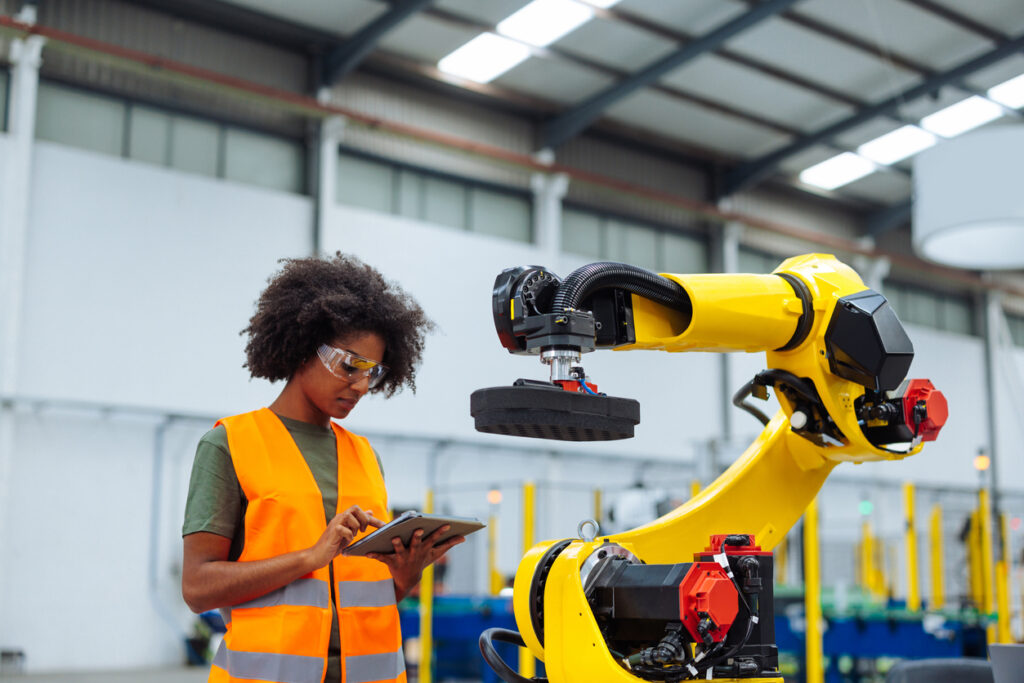
Perhaps the biggest ’80s mistake was assuming the future would announce itself clearly. Flying cars, robot helpers, dramatic changes you couldn’t miss. Instead, we slid into the future quietly through small changes, software updates, and lifestyle shifts. It doesn’t feel futuristic because we got used to it while it was happening.