If you’ve been watching the US this year and thinking, “There’s no way this is real life,” you’re not alone.
2026 has already had that weird, slightly unreal vibe where serious headlines sit right next to stuff that sounds like it came from a sitcom writer who’s had too much coffee. Some of it is dark, some of it is genuinely absurd, and a lot of it is the kind of thing you’d expect people to argue about online because it sounds made up. Here are just some of the things that have actually happened in America so far this year that sound kind of insane when you say them out loud.
1. The Department of Homeland Security partially shut down and FEMA travel got paused.
A government funding lapse led to a partial shutdown at the Department of Homeland Security, and it wasn’t just some distant political drama. It had knock-on effects that sound almost surreal when you picture them in real life, especially with winter weather still causing emergencies. One of the strangest bits was the impact on disaster response logistics because you don’t usually associate shutdown chaos with people who are meant to show up when things go wrong.
In the middle of that, FEMA had restrictions placed on new travel and deployments, with responders told to stand down in some cases. It’s the kind of thing that makes you blink because if there’s one area you’d assume stays protected, it’s the bit that helps people during floods, storms, and major accidents. You end up with this odd situation where the country can be dealing with real-world emergencies, but the machinery that supports the response is getting caught up in political gridlock.
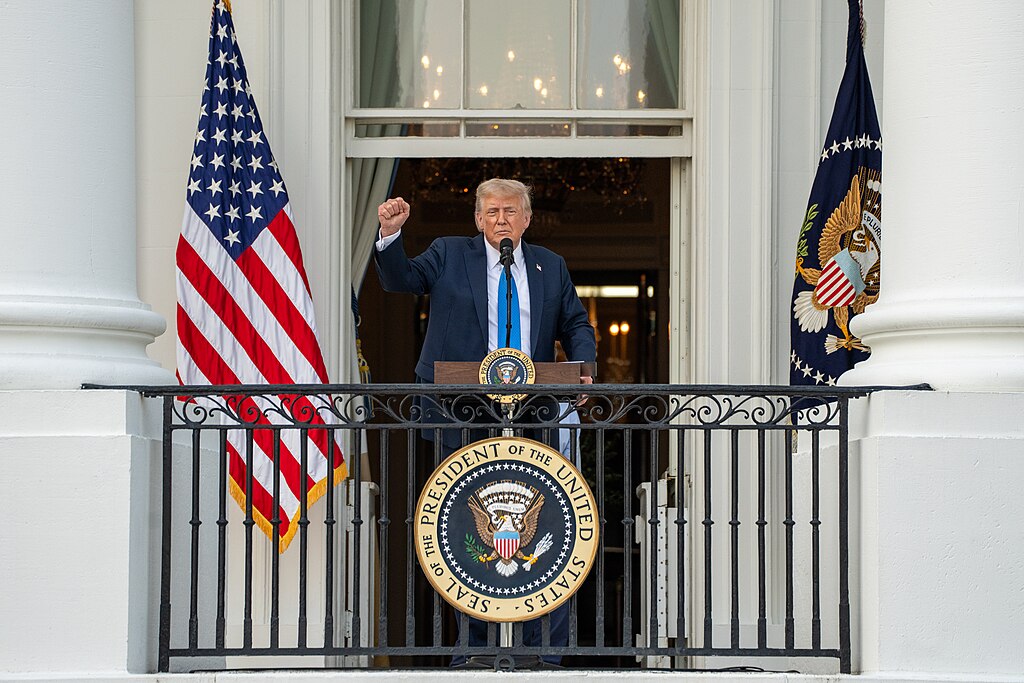
2. A State of the Union boycott turned into a rival rally on the National Mall.
Normally, the State of the Union is already a bit theatrical, but this year the protest plans have gone up a notch. Some Democratic lawmakers have openly chosen not to attend President Trump’s address, and instead there’s been a push to hold a separate People’s State of the Union rally at the same time. It’s one of those moments where you think, this feels like a parody of politics, except it’s actually happening.
The context makes it even more intense because it’s tied to a stand-off over immigration enforcement and the knock-on funding problems around Homeland Security. So it’s not just a symbolic snub. It’s happening while the country is already tense, and everyone’s basically arguing over what normal even means anymore. If you wrote this scene into a TV drama, you’d be told it was too on-the-nose.
3. Border officials reportedly shot down a party balloon and it forced an airport disruption.
This one sounds like a joke you’d hear in a pub and immediately doubt, but it was reported as a real incident. The story goes that officials used a laser to bring down a party balloon because it was mistaken for something more serious, and it led to airspace being closed above El Paso. Just the phrase airspace closed because of a party balloon feels like it belongs in a sketch show.
What makes it feel even more fictional is the follow-up political moment around it. A press conference got abruptly ended when questions were asked about the incident, which is exactly the kind of detail that makes a weird story feel even weirder. It’s the double-whammy of something silly happening, and then the response making it feel oddly secretive and tense, like everyone’s trying to pretend it’s not as ridiculous as it sounds.
4. A judge ordered a slavery exhibit restored after it was removed from a historic site.

In Philadelphia, an exhibit about enslaved people at George Washington’s former home was removed, and it sparked a legal fight that escalated fast. A federal judge ordered the Trump administration to restore the display, which included panels about nine enslaved individuals, and the whole situation became a national flashpoint. When you hear that an exhibit about slavery was taken down in 2026 and had to be ordered back by a judge, it hits like a plot line from a dystopian novel.
It also comes at a particularly symbolic time because the US is heading into its 250th anniversary year. That’s part of why the story has such a sharp edge to it. It’s not just about one exhibit. It’s about what gets remembered, what gets hidden, and who gets to decide that. The fact it turned into a court-ordered deadline makes it feel even more like something that belongs in a film about censorship and history wars.
5. A major US constitutional museum was thrown into turmoil right before the 250th anniversary year.
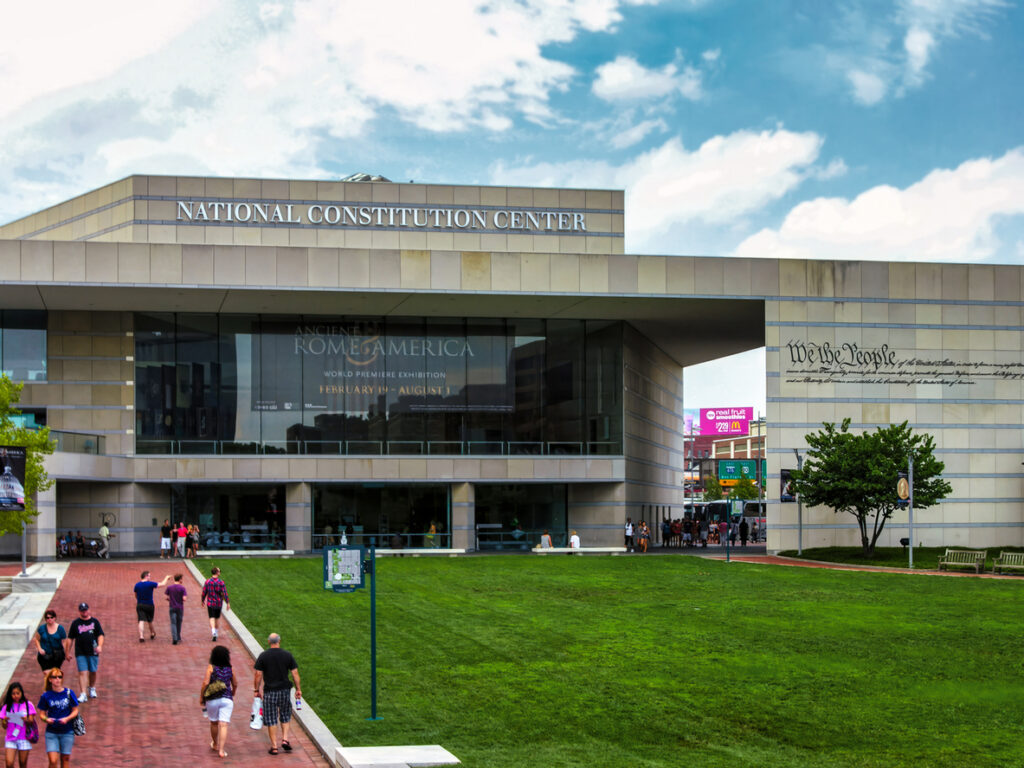
The National Constitution Center in Philadelphia is meant to be one of those steady, serious institutions, especially with America 250 celebrations approaching. Instead, it hit a wave of upheaval after its long-time president resigned unexpectedly. The public conversation around it quickly turned into allegations, counter-allegations, and claims about political pressure, which is not what you expect from a museum that’s basically meant to be a national civic showpiece.
The reason it feels like fiction is the timing and the tone. When a place designed to promote non-partisan constitutional education ends up caught in a power struggle, it starts to feel like everything is political, even the things that are meant to sit above politics. It’s also a reminder that the 250th anniversary build-up isn’t just parades and fireworks. It’s already becoming a battleground over identity, narrative, and control.
6. The US Supreme Court rolled out software to flag potential conflicts of interest for justices.
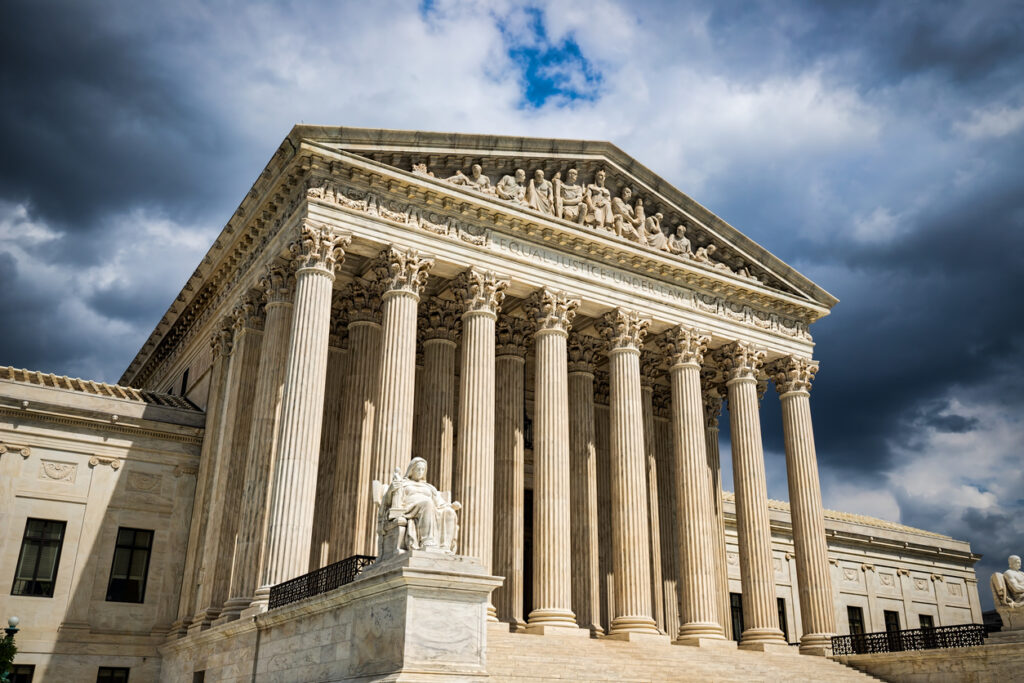
If you told someone the Supreme Court needed new tech to help it spot possible conflicts of interest, they might assume it was an onion headline. But the court announced it’s adopting conflict-checking software to assist in identifying cases that could pose an issue for justices. It’s described as an automated recusal check system, basically a way to cross-reference lawyers and parties against information tied to the justices.
The whole thing feels insane because it highlights a long-running criticism. In the US system, justices largely decide for themselves if they should step aside, and there’s no simple enforcement mechanism. So the idea of software being brought in as a best-practice solution feels like an admission that the current setup has gaps. It’s not flashy, but it’s one of those institutional changes that makes you realise the court is reacting to pressure in real time.
7. Virginia’s top court upheld a Marine’s adoption of an Afghan war orphan after years of controversy.

This story has so many layers that it barely sounds real, even though it’s been in court for years. The Virginia Supreme Court ruled that a US Marine and his wife will keep custody of an Afghan child they adopted, despite the adoption being heavily contested and criticised. The case involves claims about flawed legal processes, disputes over the child’s relatives, and arguments about what the US government had originally intended.
The part that feels most like fiction is how the court outcome hinged on timing and legal technicalities. The ruling leaned on a state law that limits when adoptions can be challenged, even if there are allegations of serious problems in how the adoption happened. It’s one of those situations where you can understand the legal logic, but the human story feels so messy and morally complicated that it’s hard to believe it’s being summed up in court filings and deadlines.
8. A massive winter storm killed dozens across multiple states and put huge numbers under warnings.
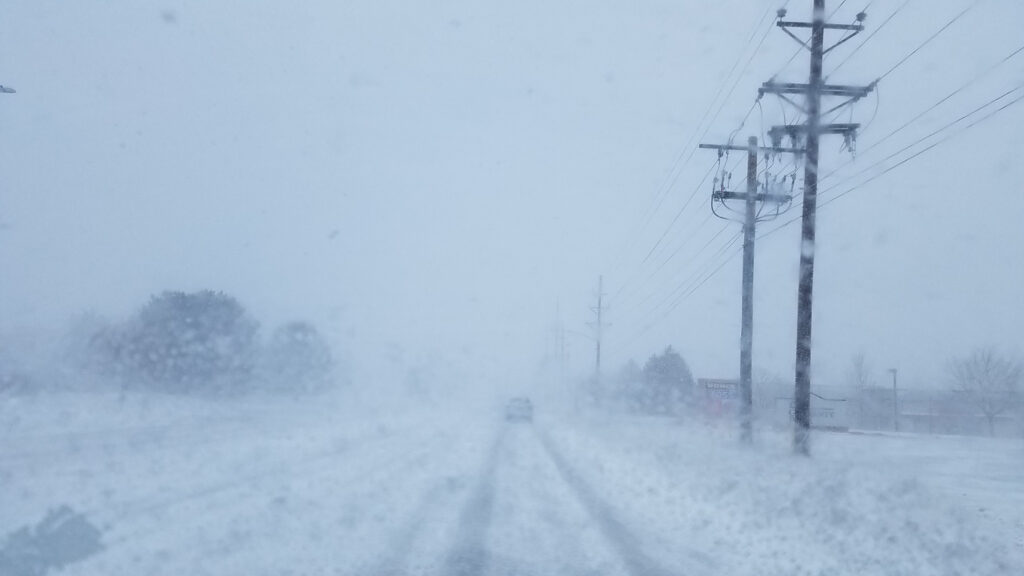
America has big weather events all the time, but this winter storm was on a scale that sounded unreal even by US standards. Reports said at least 38 people across 14 states had died, with snow, ice, and intense cold gripping large parts of the central and eastern US. When you start hearing phrases like hundreds of millions under some form of winter cold warning, it stops feeling like a normal bad-weather week.
There’s also a strange visual side to it that made the whole thing feel like a disaster film. Images showed ice covering parts of Washington, including the Capitol Reflecting Pool freezing over. It’s one thing to know it’s cold. It’s another to see the symbolic centre of US politics literally frozen, like the country has been paused mid-argument. Weather stories can feel routine, but this one had that eerie, cinematic quality.
9. The US military reported a lethal strike on a vessel linked to narco-trafficking routes.

This one reads like an action thriller summary, but it was put out in an official US military release. US Southern Command described a lethal kinetic strike on a vessel it said was operated by designated terrorist organisations and involved in narco-trafficking operations. Two people were reported killed in the action, and the statement framed it as a targeted move tied to intelligence on trafficking routes in the Eastern Pacific.
The reason it feels fictional is how blunt and cinematic the language sounds when you take a step back. Lethal strike, vessel, designated groups, routes, confirmed intelligence. It’s the sort of thing people associate with spy films, not a February press release. It also sits alongside all the domestic chaos this year, which makes it even stranger. You can have a government shutdown conversation at breakfast and a military strike headline at lunch, and both are part of the same national news cycle.
10. The White House signed an order tied to Iran that sets up tariffs on countries doing business with it.
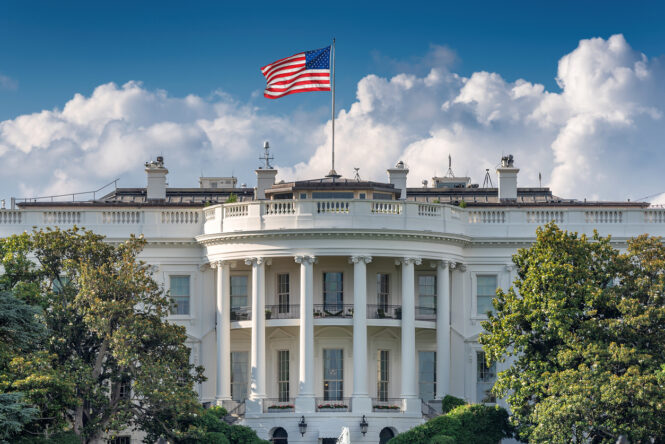
In early February, the White House announced an executive order related to Iran that reaffirmed a national emergency stance and created a process to impose tariffs on countries that acquire goods or services from Iran. Even if you’re used to sanctions talk, the idea of extending economic pressure outward like that can feel like a plot twist. It’s not just about US-Iran relations. It’s about telling other countries, trade with them and it may cost you.
It also shows how quickly foreign policy can shift into daily economic consequences. Tariffs are not abstract to regular people. They show up in prices, supply chains, and business decisions, sometimes in ways you don’t see until months later. When you hear this kind of order described in a neat official summary, it can sound clean and decisive, but the ripple effects are messy. That contrast is part of what makes it feel like fiction written in legal language.
11. Indirect US-Iran talks happened in Geneva while the US ramped up military positioning.
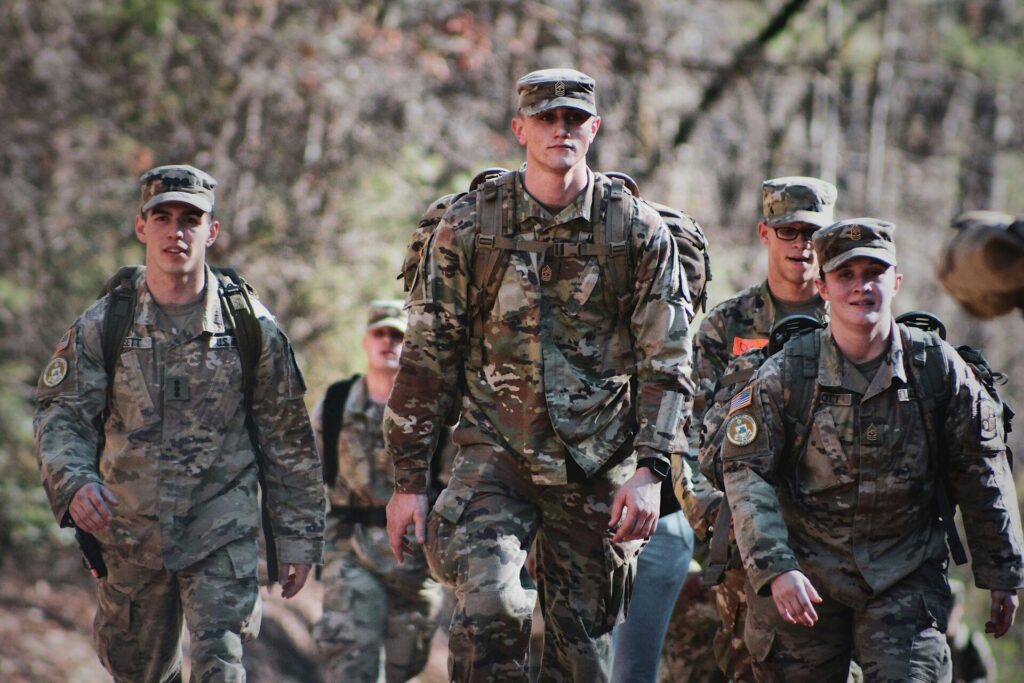
There were reports of indirect talks in Geneva between US envoys and Iran, with the stand-off framed in huge terms. The US position was described as wanting Iran to abandon its nuclear programme entirely, while Iran was presented as pushing back and limiting what it would negotiate. That alone would be a major headline, but it got even more intense when paired with reporting about military forces being directed to be in place in the region by mid-March, plus the deployment of another aircraft carrier group.
It’s the mix that makes it feel unreal. Diplomacy in hotel rooms on one hand, military buildup on the other, and a constant hum of escalation in the background. It’s the kind of story where you expect someone to say, no, that’s not happening now, that was years ago. However, it’s 2026, and it’s in the headlines again, which is part of why people feel like they’re living in an endless reboot.
12. A major disaster agency ended up tangled in shutdown rules during real emergencies.

Beyond the headline of a shutdown, the weirdest part is the practical knock-on effect during a season when disasters still happen. Reports described internal directives that paused or limited new FEMA travel and deployments while funding was in limbo. That meant responders in training were told to stand down, and planned assignments got interrupted, even though there were active disasters and ongoing recovery work across the country.
It’s the kind of thing you’d expect from a satire about bureaucracy, where the fire brigade can’t leave the station because someone forgot to sign a form. Except this is disaster response, with real communities waiting for help. The strange tension is that FEMA’s job is meant to be urgent and human, but its ability to move depends on funding structures and political fights. That clash between what should be simple and what isn’t is why it feels so fictional.
13. The Supreme Court handed down a ruling about police entering homes during mental health emergencies.
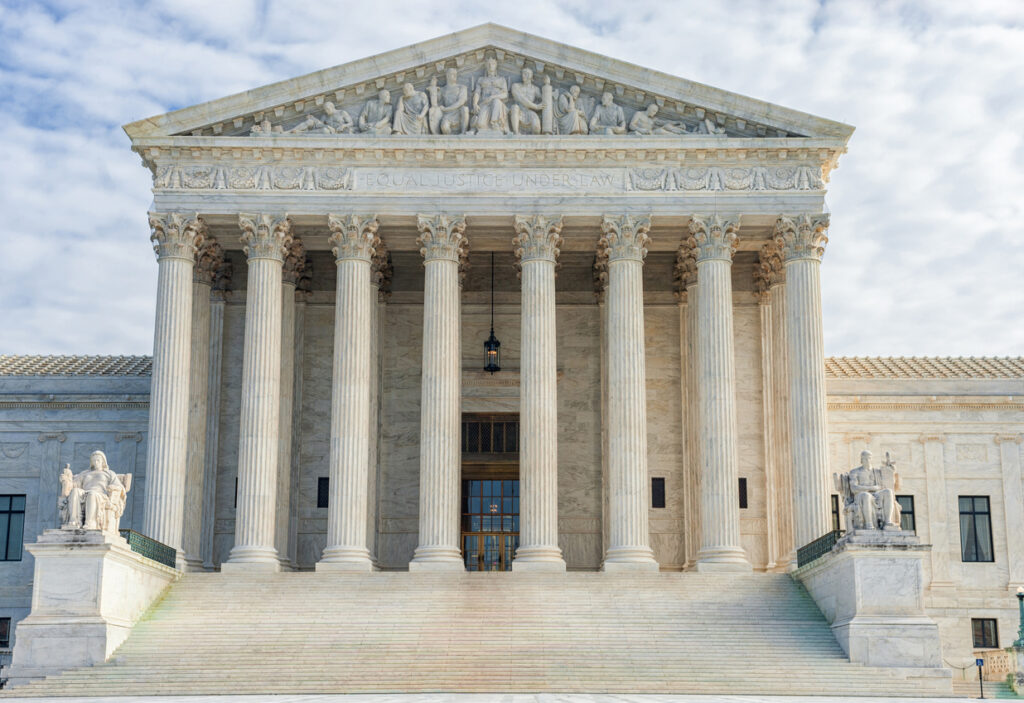
One of the Supreme Court’s January decisions involved a situation that’s sadly common, but still feels like something that should be clearer than it is. The case centred on police entering a home without a warrant after a report that someone might be suicidal and possibly injured. The court’s decision leaned on the idea of an emergency aid exception, which is basically the legal logic that says officers can go in if they have an objectively reasonable basis to think someone needs urgent help.
What makes it so problematic is how often life-changing moments get reduced to legal wording like reasonable basis. This isn’t a niche issue. It affects families, mental health crises, and what happens in the most vulnerable moments of someone’s life. The fact it reached the top court and was decided in early 2026 adds to that feeling that America is constantly trying to patch basic rules for modern life, one high-stakes case at a time.
14. The Supreme Court also ruled on restitution rules in a way that affects who can ask for what, and when.
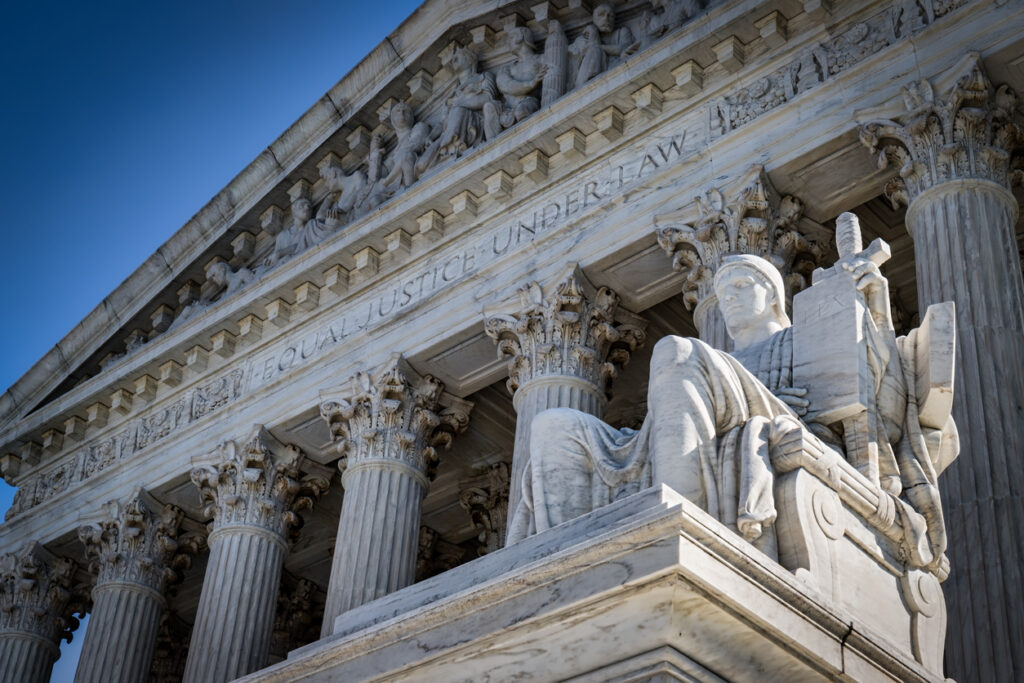
Another January decision dealt with restitution, which sounds dry until you realise it affects real people who’ve been harmed by crimes. The core idea in the ruling was that courts can order restitution only in relation to a criminal defendant and only after a conviction for a qualifying crime. That sounds obvious at first, but the details matter because restitution can sit in a grey zone where victims, prosecutors, and courts all have different roles and expectations.
It feels like fiction because it’s the kind of thing people assume is straightforward. If harm happened, surely the court can order money to repair it. In reality, the legal system has strict lanes, and the Supreme Court sometimes has to step in to say, no, this is how the machinery works, even if it feels counterintuitive. When you zoom out, it’s another reminder that in 2026, even the basics of justice and compensation are being argued out at the highest level like the rules are still being written.