It’s hard to ignore the feeling that Britain is slowly sliding backwards lately, and we’re not just talking about the potholes or the trains never showing up on time.

We used to pride ourselves on a certain level of social cohesion and a “get on with it” attitude, but that seems to be curdling into something much more fractured and mean-spirited. From the way our high streets are hollowing out to the steady erosion of basic public services, it feels like the country is losing its grip on the things that actually made it function.
It’s a frightening prospect because once these cultural pillars start to crumble, they aren’t easily put back together. We’re watching a version of the UK emerge that’s more isolated, less tolerant, and increasingly stuck in the past, and if we don’t start paying attention to these changes, we might find ourselves living in a place we don’t even recognise anymore. Here’s where things are going wrong.
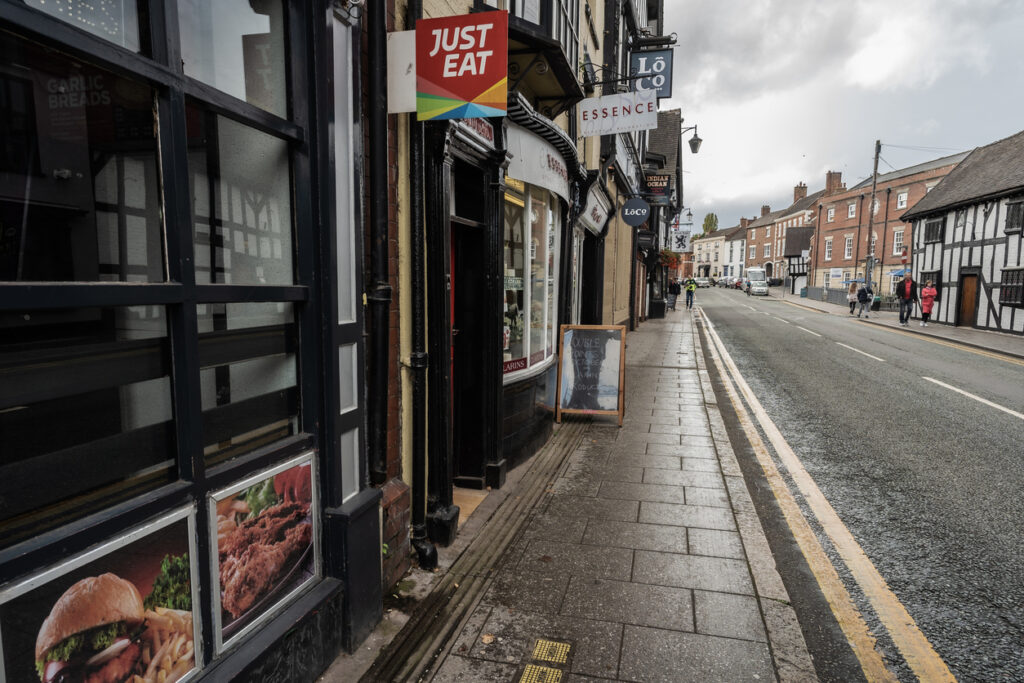
1. High streets are ghost towns.

Independent shops, bakeries, butchers, and family-run businesses have been replaced by charity shops, vape stores, and empty units with “to let” signs. Every town centre used to have its own character and identity, but now they all look identical, with the same handful of chain stores clinging on. The switch to online shopping accelerated this death, but so did exorbitant business rates that small businesses simply can’t afford.
What’s scary is that high streets were never just about shopping, they were social hubs where people bumped into each other and felt part of a community. Losing them means losing those casual interactions that make places feel alive. Young people are growing up without any memory of what vibrant town centres actually looked like.
2. Pubs are closing at a terrifying rate.

Britain loses around 50 pubs every month, and these aren’t just businesses disappearing, they’re community anchors vanishing. Pubs served as living rooms for people who didn’t have space at home, meeting spots for everything from darts teams to book clubs. They were where you knew the regulars, where different generations mixed, and where local issues got discussed over a pint.
The reasons are complex, from supermarket alcohol prices to rising rents and changing drinking habits, but the effect is social isolation. Villages without pubs become dormitories where nobody knows their neighbours. Cities lose their neighbourhood character when every pub becomes a chain or luxury flat conversion. The regression here is about losing spaces where class mixing happened naturally.
3. Libraries are being gutted or closed entirely.

Over 800 libraries have closed in the UK since 2010, and the ones still open often run on reduced hours with volunteer staff. Libraries were never just about borrowing books, they provided free internet access, warm spaces, activities for children, and human contact for lonely people. They were the last truly free public spaces where you didn’t have to buy anything to exist.
Cutting library funding disproportionately affects poor families who can’t afford books or home internet. It impacts elderly people who used libraries as daily destinations and children who needed quiet study spaces. The scary bit is how easily we’ve accepted this as inevitable austerity rather than a deliberate choice to abandon public services.
4. Youth services have been decimated.

Youth clubs, sports programs, and community centres that kept teenagers occupied and connected have lost 70% of their funding since 2010. An entire generation is growing up without access to the structured activities and mentorship that previous generations took for granted. These services didn’t just keep kids “off the streets,” they taught social skills, provided positive role models, and gave young people purpose.
The link between youth service cuts and rising knife crime isn’t coincidental, but politicians prefer blaming individuals rather than admitting they removed the infrastructure that prevented problems. What’s regressing here is our collective commitment to investing in young people’s development.
5. Community cohesion is actively deteriorating.

People don’t know their neighbours anymore, and that’s not just about being antisocial, it’s about how society is structured now. The spaces and routines that forced interaction have disappeared, from corner shops to regular bin collection times when people would chat. Everyone’s working longer hours, commuting further, and collapsing at home to stare at screens instead of engaging locally.
The pandemic accelerated this isolation, but the trend was already well established. Nextdoor and Facebook groups aren’t substitutes for actual face-to-face community bonds. The regression is visible in how people respond to local issues, there’s less collective action and more individual complaint. Strong communities require infrastructure and time, both of which are being stripped away.
6. Social mobility has gone into reverse.

For the first time in generations, young people are expected to be worse off than their parents, and that’s a fundamental failure of society. The ladders that working-class people used to climb, grammar schools, apprenticeships, affordable housing, secure employment, have been kicked away or made inaccessible. University costs too much, housing is unaffordable, and “good jobs” require unpaid internships that only wealthy families can support.
The postcode you’re born in now determines your life outcomes more than it has in 50 years. This regression is scary because it means talent and hard work no longer guarantee progress, and that breaks the basic social contract. An entire generation understands the system is rigged against them.
7. Workers’ rights are being steadily destroyed.

Zero-hours contracts, fire and rehire practices, and the gig economy have normalised job insecurity that would have caused strikes in previous decades. Workers have less power, unions have been weakened, and employment tribunals are harder to access. The language has changed, too: you’re not an employee anymore, you’re “self-employed” even when you have no actual autonomy.
People work longer hours for relatively less pay while costs skyrocket. The scary regression is that exploitative employment practices are becoming standard rather than scandalous. Young workers have no reference point for what secure employment with benefits actually feels like, so they accept terrible conditions as normal.
8. Trust in institutions is collapsing.

Faith in politicians, police, media, and even the NHS has plummeted, and while some scepticism is healthy, complete distrust is corrosive. When people don’t believe institutions can or will help them, they stop engaging with civic life altogether. The expenses scandal, phone hacking, Grenfell, Windrush, and countless other failures have taught people that the powerful aren’t held accountable.
This creates a dangerous vacuum where conspiracy theories flourish because if official sources aren’t trustworthy, why not believe alternative narratives. The regression is from a society with functioning, respected institutions to one where everyone’s in it for themselves. Rebuilding trust takes generations once it’s lost.
9. Arts and culture funding has been slashed.

Regional theatres, orchestras, museums, and arts programs have lost funding while London continues to thrive, creating a massive cultural divide. Working-class kids outside major cities have fewer opportunities to access music lessons, drama clubs, or visit galleries. The arts are increasingly seen as luxuries rather than essential parts of education and community life.
That regression means culture becomes something only wealthy people participate in, rather than a shared national experience. Talented kids from poor backgrounds who might have become musicians or actors 30 years ago now can’t afford to pursue those paths. When culture becomes elite rather than accessible, society loses vital voices and perspectives.
10. Mental health services are at breaking point.

Waiting times for NHS mental health treatment can stretch to years, and private therapy is unaffordable for most people. The message is clear, your mental health isn’t a priority unless you can pay, or you’re in crisis. Early intervention services that prevented problems escalating have been cut, so people only get help when they’re desperately ill.
Young people are experiencing unprecedented mental health struggles while the support systems meant to help them have been hollowed out. The scary regression is accepting that mental healthcare is a luxury rather than a basic right. A generation is being told to just cope with anxiety and depression until they reach crisis point.
11. Public spaces are becoming privatised.
Parks require “friends of” groups to maintain them, town squares are owned by property developers who can ban protests, and even sitting on benches sometimes requires spending money. The commons, the idea that some spaces belong to everyone, is being slowly but surely abolished. Private security guards police behaviour in shopping centres that feel public but legally aren’t.
You can be removed from these spaces for looking homeless, busking, or protesting. The regression is from a society with genuine public space where you had a right to exist to one where every space is conditional on good behaviour and consumption. Cities are becoming increasingly hostile to anyone not spending money.
12. Apprenticeships have been gutted.

Traditional apprenticeships that trained electricians, plumbers, and skilled tradespeople have been replaced by low-quality schemes that are often just rebranded entry-level jobs. Companies use apprenticeship funding to subsidise positions they’d have created anyway, and young people end up with useless qualifications.
The regression is from a system that genuinely trained the next generation of skilled workers to one that exploits cheap labour under the guise of training. This matters because it removes another route for working-class kids to build stable careers. Trades used to offer solid middle-class incomes, but the pathway into them has been deliberately destroyed.
13. The NHS is being privatised by stealth.

Services are being quietly outsourced, waiting lists are deliberately allowed to grow, and private healthcare is presented as the solution to problems caused by underfunding. The regression is deliberate, starve the NHS until it fails, then claim privatisation is necessary. Most people don’t even realise how much NHS work is already done by private companies.
The scary part is that dismantling the NHS doesn’t happen through one dramatic policy, it happens through a thousand small cuts and contract changes. Once it’s gone, it won’t come back, and healthcare will become something you can only access if you’re wealthy enough. The social solidarity that created the NHS is being systematically undermined.