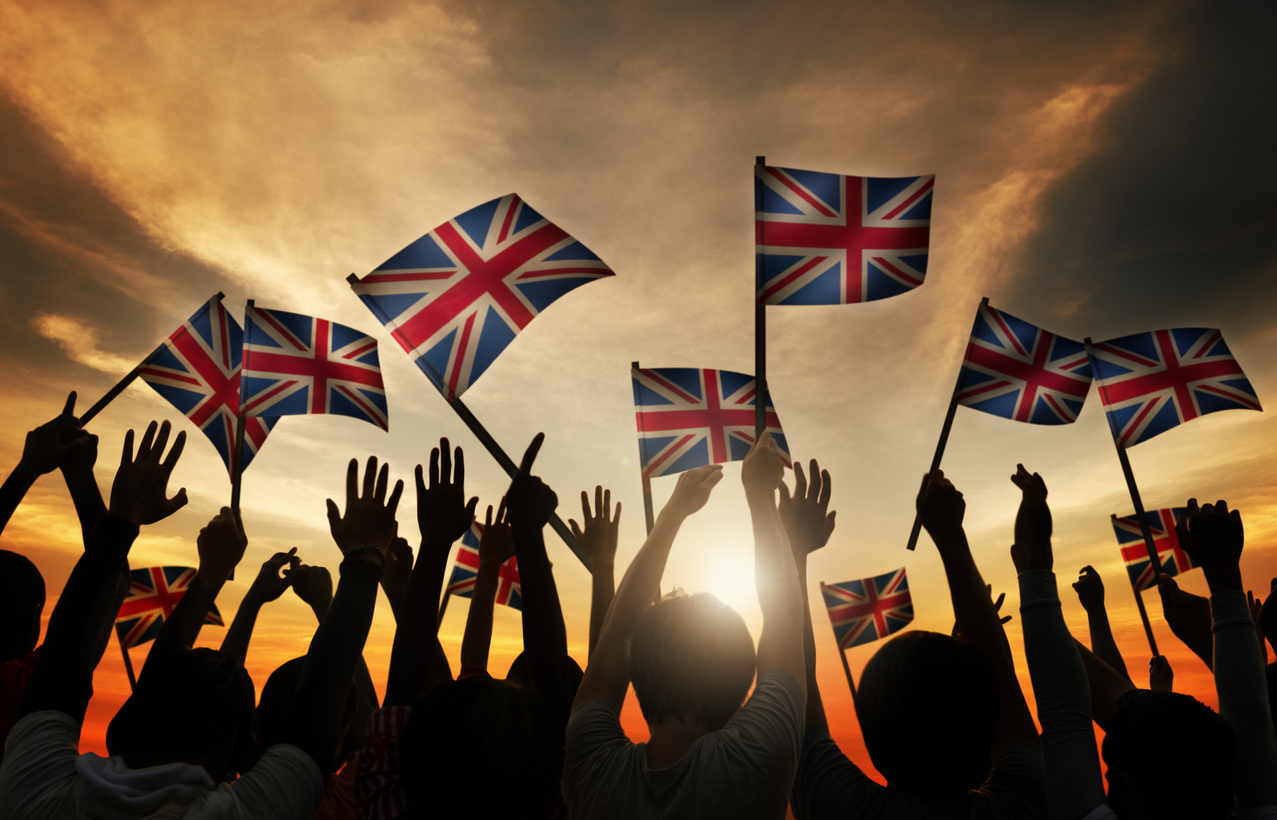
It used to be that whatever happened in America took a few years to wash up on our shores, but thanks to the internet, that gap has basically vanished.
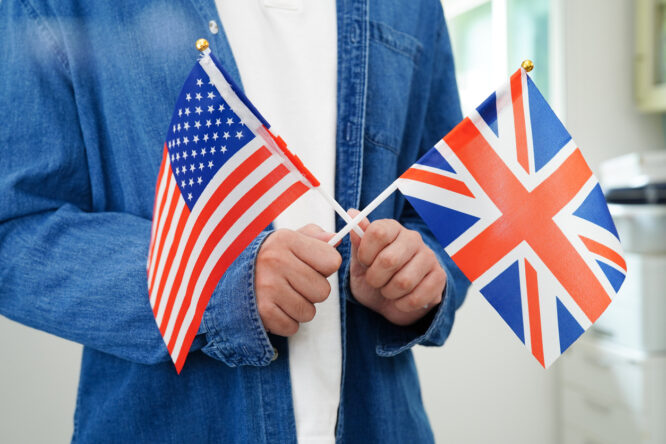
We’re now living in a world where a massive cultural row in the US becomes a talking point in British pubs and boardrooms by the next morning. It’s a bit of a strange situation because we’re adopting their vocabulary and their battles, even when they don’t quite fit our own history or the way our society actually works. You can see it in everything from the way we talk about politics to the stuff we argue about on social media. We’ve become so plugged into the American feed that their chaotic energy is starting to change the way we see ourselves and each other over here in some major ways.
Political language has become more aggressive.

The way Americans talk about politics has seeped into British conversations, and things quickly get sharp, confrontational, and often nasty. We used to be quite reserved about political disagreements, keeping things civil even when we disagreed strongly. Now you’ll hear people using the same rhetoric, calling opponents extremists or accusing them of bad faith without any real conversation happening.
Social media’s made this worse because outrage gets more attention than nuance. British political discussions increasingly feel like American ones, with less room for the kind of measured debate we used to pride ourselves on. It’s not just politicians doing it either. Ordinary people are adopting this combative style in everyday conversations.
We’ve imported the concept of culture wars.

Culture wars weren’t really a British thing until recently. We had disagreements, sure, but we didn’t frame everything as battles between opposing worldviews. America’s been doing this for decades, turning every issue into a fight about values and identity.
Now, Britain’s doing the same thing with topics like statues, curriculum content, and public broadcasting. Issues that could’ve been sorted with reasonable discussion get escalated into full-blown conflicts where compromise feels like betrayal. It’s exhausting and unproductive, but it’s become the default way of handling cultural disagreements. We’re copying America’s approach without questioning whether it’s actually working for them.
Social media drama follows American patterns.

British social media used to have its own flavour. A bit sarcastic, a bit self-deprecating, generally less intense. Now it’s much more like American platforms, with pile-ons, cancellations, and viral outrage cycles that mirror what’s happening across the Atlantic.
The same controversies that blow up on American Twitter often spark identical debates here within hours. We’re not just watching anymore; we’re participating as though they’re our own. The algorithms don’t care about countries, so we all get served the same inflammatory content. British users have adapted their behaviour to match, adopting callout culture and performative outrage.
The hustle culture mentality has taken root.

America’s obsession with constant productivity and side hustles has crossed over here in a big way. British work culture used to value work-life balance more, but that’s changing. You’ll hear people talking about their “personal brand” or their “side hustle” in ways that would’ve sounded ridiculous ten years ago.
The idea that you should always be monetising your skills is very American, but it’s become increasingly normal here. Young people especially have absorbed this mindset, partly because economic pressures make it feel necessary and partly because social media promotes it relentlessly. It’s changing how we think about rest. Relaxation now feels like wasted opportunity.
Identity politics dominates conversations.

The American framework for discussing identity has become the default in the UK, too. We’ve adopted American concepts and debates wholesale, sometimes without adjusting them for British context. This isn’t necessarily bad, but it does mean we’re often having arguments that originated in American universities rather than ones rooted in British experiences.
The language around these issues is almost entirely American, from phrases to frameworks to the way discussions unfold. British people are using American racial categories or applying American historical context to British issues, which doesn’t always translate cleanly.
Our news cycle mimics theirs.

British news increasingly covers American stories with the same intensity as domestic ones. Trump’s legal troubles, American elections, and US Supreme Court decisions get massive coverage here, often crowding out British news. Part of this is genuine relevance. America’s powerful, and what happens there matters globally, but part of it is that American news is just more dramatic and therefore more engaging.
British news outlets have noticed that American stories drive traffic, so they cover them extensively. Many Britons are now more familiar with American political figures than British ones. American cultural moments feel more immediate than local issues.
Therapy speak has entered everyday language.

Americans have long been more comfortable discussing therapy and mental health openly, and that’s spread to Britain. We’ve adopted phrases like “setting boundaries,” “trauma,” “gaslighting,” and “toxic” in casual conversation. On one level, this is positive. Reducing stigma around mental health is good, but there’s also a tendency to treat normal disagreements as psychological problems using clinical language borrowed from American therapy culture.
Everything becomes about processing, healing, and protecting your mental health. The American influence here is obvious in both the terminology and the way we think about emotions. British reserve around discussing feelings has given way to American-style openness, for better or worse.
Conspiracy theories travel instantly.

American conspiracy theories used to seem distinctly American. Connected to their history, their politics, their anxieties. Now they spread to Britain immediately and find audiences here. QAnon had British followers. American election conspiracy theories got repeated by British people.
Anti-vaccine movements that started in the US gained traction here. The internet means these ideas don’t respect borders, and British conspiracy theorists often sound indistinguishable from American ones because they’re consuming the same content. British people are deeply invested in American political conspiracies that have nothing to do with Britain, which is honestly bizarre when you step back and look at it.
University campuses feel more American.

British universities have started experiencing American-style campus culture wars. Debates about speakers, safe spaces, trigger warnings, and deplatforming were American phenomena first, but they’ve become features of British university life too.
The same arguments play out here, often using the same language. Students are adopting American activist tactics and American ways of thinking about campus issues. It’s not identical. British universities have different structures and traditions. But the American influence is unmistakable. Even the way students organise and protest has taken cues from American campuses, with similar demands and similar rhetoric appearing in British contexts.
We’ve adopted their outrage cycle.

The rhythm of online outrage follows American patterns now. Something controversial happens, everyone picks sides immediately, the discourse becomes toxic within hours, then everyone moves on to the next controversy. This used to feel more American than British, but we’ve fully embraced it.
British social media users jump from outrage to outrage with the same speed and intensity as Americans. The half-life of any given controversy has shortened dramatically, and you’re expected to have an opinion on everything immediately. It’s emotionally exhausting and doesn’t lead to meaningful change, but it’s become the default mode of engaging with current events.
Corporate language has become more American.
British businesses are increasingly using American corporate jargon. “Reach out,” “circle back,” “touch base,” and “leverage” have replaced more traditional British business language. Companies adopt American mission statements and values. The whole aesthetic of modern British business communication feels lifted from American corporate culture.
This extends to things like performance reviews, team-building approaches, and management styles. American business culture has always been influential globally, but there’s been a noticeable acceleration in how thoroughly British workplaces have adopted American norms. Even small businesses use language and practices that originated in American corporate environments.
Dating culture mirrors American apps.

Dating in Britain has been reshaped by American dating apps and the culture they promote. The language people use to discuss dating is American: ghosting, breadcrumbing, situationships… the list goes on and on. The expectations and norms have shifted to match American patterns because everyone’s using the same apps with the same mechanics.
Traditional British approaches to dating have given way to American-style casualness and app-based meeting. The whole framework for thinking about relationships, from how you meet to how you communicate to how you define things, has been Americanised. Younger Britons especially are navigating relationships using American concepts and American relationship advice content.
Our sense of humour has definitely changed.

British comedy used to be distinctly different from American comedy. Drier, more deadpan, more comfortable with awkwardness. That’s still true to some extent, but there’s been convergence. British humour online often mirrors American humour because we’re consuming the same memes, the same viral videos, the same comedy formats.
Stand-up comedy has become more American in style. Even British sitcoms and panel shows have absorbed American influences. The traditional British sensibility hasn’t disappeared, but it’s competing with American styles that spread quickly through social media. Younger Britons especially are developing humour that’s more internationally legible, which often means more American.
The pressure to have opinions on American issues is real.

There’s now social expectation that British people will have informed opinions about American politics and culture. Not knowing about American Supreme Court decisions or congressional politics can feel like being out of touch, even though these are foreign affairs. American cultural moments demand British participation and commentary.
This wasn’t always the case. Previous generations could ignore American politics if they wanted. Now, American issues feel like everyone’s issues, and British people are expected to engage with them as though they’re directly relevant to our lives. Many Britons are more engaged with American political drama than with local council decisions that actually affect them directly.