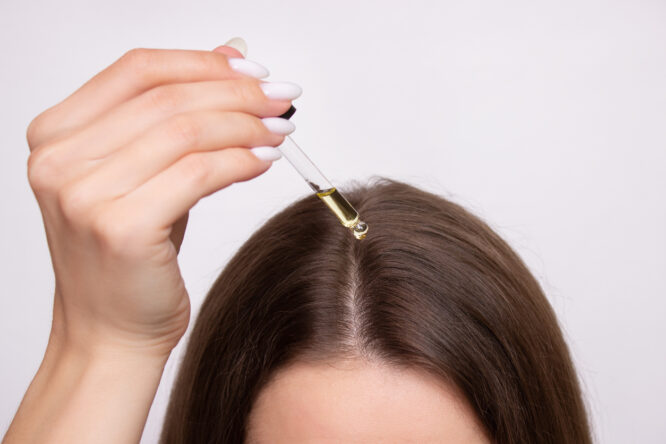
Scalp oiling has been popping up all over social media lately, with promises of longer hair, better growth, and a magically flake-free scalp. Some swear by it, calling it the ultimate secret to thick, shiny strands. Others say it’s just another overhyped step no one really needs. So what’s the truth? Can rubbing oil into your scalp actually change your hair health, or is it mostly just a trend with good lighting? Here’s what to know before you grab the coconut oil (or any other type, for that matter).
1. It depends on your hair and scalp type.
What works wonders for one person might clog the pores or weigh down the strands of another. If you’ve got a dry scalp and coarse or curly hair, scalp oiling might help bring some much-needed moisture and softness. However, if you’ve got fine hair or an oily scalp to begin with, slathering on oil might leave you feeling greasy and flat. That’s why you’ll see such mixed reviews: it’s not a one-size-fits-all miracle. It’s more about knowing what your hair actually needs and adjusting accordingly.
2. The massage might be the real hero.
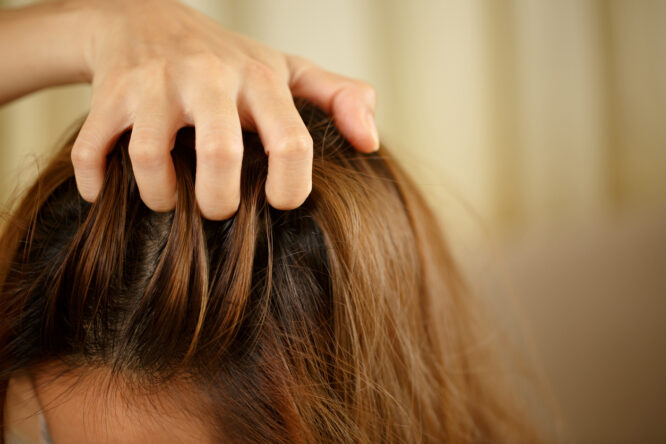
One big reason scalp oiling can help with hair growth isn’t even the oil, it’s the act of massaging your scalp. That daily or weekly ritual increases blood circulation, which brings more nutrients to the hair follicles. Even without oil, that stimulation alone can help create a healthier scalp environment. So if your hair’s been feeling dull, it might not be about what you’re putting on it, but how you’re treating the roots underneath it.
3. Some oils actually can help if used right.
Certain oils have legit benefits. Rosemary oil, for example, has some small studies backing its ability to stimulate hair growth. Coconut oil helps reduce protein loss, and jojoba oil closely mimics your skin’s natural sebum. But they’re not magic potions, and piling them on won’t necessarily speed up growth overnight. The key is using them sparingly, working them into your scalp, and not leaving them on for days at a time. Too much of a good thing can lead to buildup, itchiness, and even blocked follicles.
4. Build-up is real (and kind of gross).
Oils don’t just vanish into thin air; they stick around. If you’re oiling your scalp but not washing it out properly, you could be setting yourself up for clogged pores, dandruff, or even fungal irritation. This is especially true if you’re using thick oils or layering on multiple products. A clean scalp is a healthy scalp. If you’re going to oil, you need a proper wash routine too. Otherwise, you’re just creating more problems than you’re solving.
5. It can be more about ritual than results.
For some, scalp oiling is less about hair miracles and more about the calming routine. Taking ten minutes to massage your scalp, breathe, and focus on your body can be oddly grounding. Like skincare, sometimes the benefits are emotional as much as they are physical. If it feels good, smells nice, and makes you feel more connected to yourself, that might be reason enough to do it, even if your hair isn’t transforming overnight.
6. You don’t have to do it to have healthy hair.
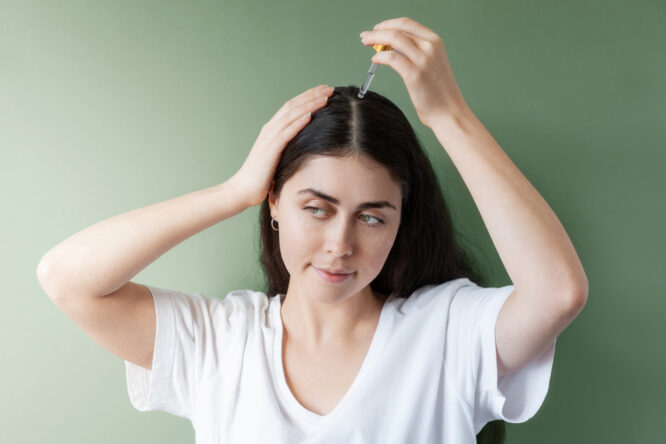
This part gets lost in the trend hype: you absolutely can have a healthy scalp and strong hair without ever picking up a bottle of oil. Regular washing, scalp exfoliation, balanced nutrition, and stress management are just as important, if not more. So if you’re not into the oiling thing, you’re not missing out on some secret club. It’s just one of many ways to take care of your hair, and not necessarily the most essential.
7. Bottom line? It’s not a miracle, but it’s not pointless either.
Scalp oiling sits somewhere in the middle. It’s not pure hype, but it’s also not a fix-all. For the right hair type, with the right method, it can definitely support healthier hair. But if you’re expecting wild results after one TikTok-inspired oil session, you’re probably setting yourself up for disappointment. Try it if you’re curious, but do it mindfully. And remember: your hair is doing just fine, even if it’s not soaking in argan oil every Sunday.