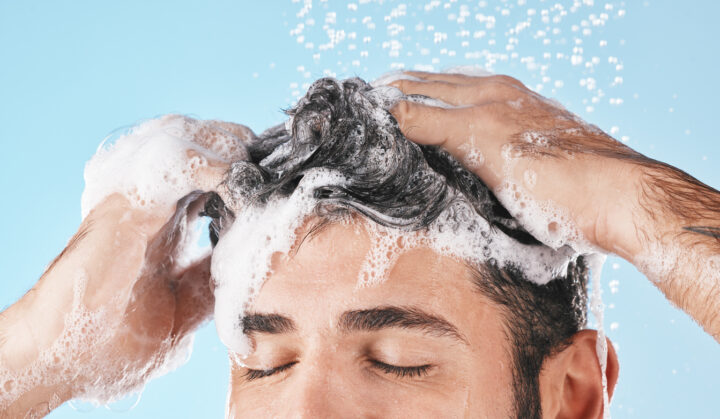
Your shower might feel like a self-care ritual, but some of the habits you’ve picked up along the way could be doing more harm than good to your hair. From the way you wash it to how you dry it afterward, little things in your routine might be leaving your strands dry, fragile, or dull without you even knowing. Here are some shower habits many people have that can quietly sabotage your hair’s health, and what to do instead.
Washing your hair every day
It might feel fresh and clean to wash your hair daily, but over-washing strips away the natural oils your scalp produces to keep your hair healthy. When you wash it too often, your scalp can overcompensate, producing even more oil, and that can create a cycle of greasiness and dryness at the same time.
Unless you have an extremely oily scalp or sweat heavily every day, most people only need to wash their hair two or three times a week. In between washes, dry shampoo or simply rinsing with water can help refresh your hair without stripping it.
Using water that’s too hot
Scalding hot showers might feel amazing, especially in winter, but they’re not doing your hair any favours. Hot water opens the cuticle layer of your hair, which can lead to frizz, breakage, and a rough texture, especially if your hair is already dry or colour-treated. Try turning the temperature down to warm when washing your hair and finish with a quick cool rinse to help seal the cuticle. It makes your hair shinier, less frizzy, and helps it retain moisture better.
Applying shampoo to the ends
Shampoo is meant for your scalp, not your ends. When you lather shampoo through your whole head, especially the more delicate tips, you can dry them out and cause split ends to worsen over time. Focus your shampoo at the roots where oil and product build-up happens, then let the suds run through the ends as you rinse. That’s enough to clean the hair without over-stripping the parts that don’t need as much attention.
Skipping conditioner or applying it to your scalp
Some people avoid conditioner altogether, especially if they think it weighs their hair down, but skipping it entirely can lead to brittle, dry ends. On the flip side, applying it to your scalp can leave your roots greasy and flat. Conditioner should go from the mid-lengths to the ends, where your hair needs the most moisture. If your hair tends to get oily quickly, a lightweight or leave-in conditioner might be a better fit without leaving buildup behind.

Rubbing your hair with a towel
Vigorously towel-drying your hair might seem like the quickest way to get it dry, but it creates friction that roughs up the hair cuticle. This can lead to frizz, breakage, and a tangled mess that’s hard to manage. Instead, gently blot or squeeze your hair with a towel—microfibre towels or even an old cotton T-shirt are much gentler and won’t cause as much damage. It might take a little longer, but your hair will thank you for it.
Brushing wet hair with the wrong tool
Wet hair is at its weakest, and using the wrong brush, or yanking through tangles too roughly, can cause it to snap. A regular hairbrush isn’t ideal straight out of the shower. Use a wide-tooth comb or a detangling brush made for wet hair, and start from the bottom, working your way up gently. Add a leave-in conditioner or detangling spray if your hair knots easily.
Skipping a scalp massage
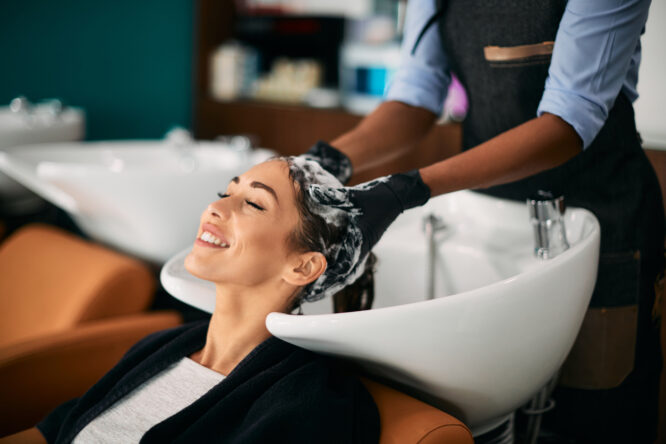
It might sound unnecessary, but taking a minute to massage your scalp while shampooing boosts blood circulation, helps loosen buildup, and promotes healthier hair growth. It’s a small step that can make a noticeable difference over time. Use your fingertips, not your nails, and work in small circular motions. If you’re pressed for time, even 30 seconds of gentle massage while lathering is better than nothing.
Not rinsing thoroughly
If you’re rushing through your shower, it’s easy to leave behind shampoo or conditioner residue. However, product build-up can weigh hair down, dull its shine, and even cause scalp irritation or dandruff-like flaking. Make sure you rinse thoroughly, especially at the nape of the neck and behind the ears—spots where product tends to hide. Your hair should feel squeaky clean, but not stripped or dry.
Overloading on products before rinsing
Using multiple in-shower treatments—like masks, oils, and co-washes—can overwhelm your hair and weigh it down if you’re not rinsing properly. More isn’t always better when it comes to moisture or protein-based treatments. Stick to one or two targeted treatments at a time. Rotate them depending on what your hair actually needs: hydration, strength, or repair. This helps avoid overload and keeps your hair balanced.
Washing too fast
Shampooing in a rush often means you’re not really cleaning your scalp properly, or not distributing conditioner evenly. It can leave parts of your hair untreated, while others end up overloaded with product. Take a bit more time to work shampoo into your scalp and conditioner through your ends. It only adds a minute or two but can completely change how your hair looks and feels.

Not protecting coloured hair
If you’ve dyed your hair, especially with vibrant or pastel shades, hot water and harsh shampoos will fade the colour fast. Sulphates are particularly damaging and can strip out both colour and moisture. Switch to colour-safe, sulphate-free products, and use cooler water when rinsing. A weekly deep conditioner for colour-treated hair can help keep things looking fresh for longer without frequent salon visits.
Ignoring your water quality
Hard water, rich in minerals like calcium and magnesium, can build up on your hair and scalp, making it feel dry, brittle, or dull. If your hair never feels clean or seems to have a constant residue, your tap water might be to blame. Consider a shower filter if you live in a hard water area. You can also use a clarifying shampoo once a week to remove buildup and restore your hair’s softness and bounce.
Not adjusting your routine with the seasons
Your hair’s needs change with the weather—what works in summer might leave you parched in winter. Dry indoor heating, cold winds, and sun exposure all affect hair differently throughout the year. In colder months, use richer conditioners or hair oils. In warmer months, focus on UV protection and lighter moisturisers to avoid buildup. Listening to your hair and adjusting your routine seasonally can help it stay healthy year-round.