Walking down any UK high street lately can feel a bit like visiting a graveyard of your own childhood.
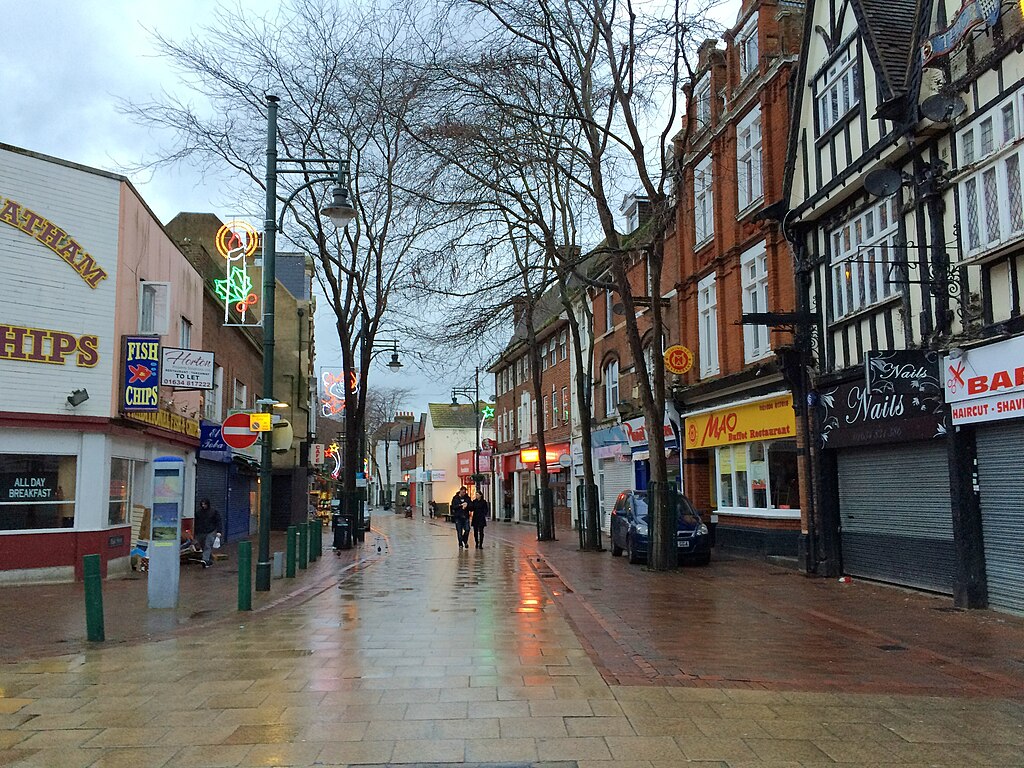
You’ll pass a boring mobile phone shop or a generic gym and remember exactly where the toy aisles used to be or where you spent your pocket money on 10p mix-ups. These places weren’t just buildings; they were the landmarks of our weekends, and their disappearance has left a massive hole in the character of our town centres.
It’s a weird feeling to realise that the massive household names we thought would be around forever have been wiped out by the internet and rising rents. From the places where you bought your school uniform to the shops where you spent hours browsing the bargain bins, the retail landscape has changed so much it’s almost unrecognisable compared to 20 years ago. Here are some of the shops we’ve lost along the way.
The Carphone Warehouse
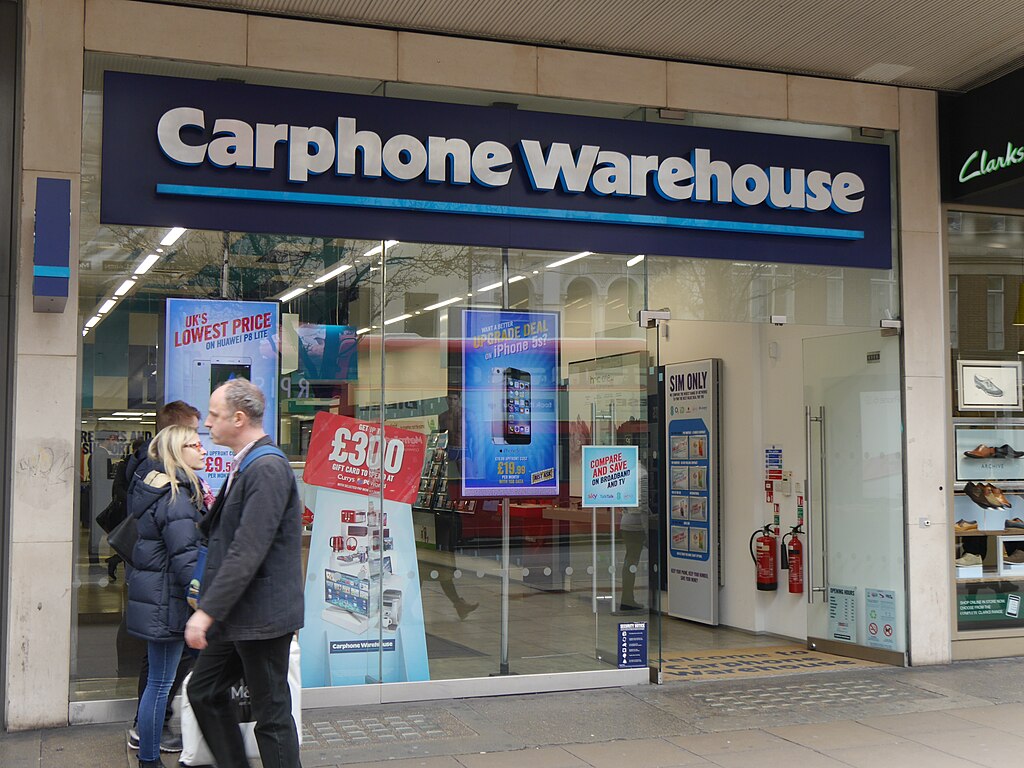
The Carphone Warehouse was a fixture on UK high streets, selling mobile phones and contracts for decades. The company had stores everywhere and felt like a permanent part of shopping culture, but things shifted when mobile networks started selling directly to customers and online options exploded. The chain gradually closed down and finally shut its remaining stores in 2022, ending its time on the high street completely. For years, though, it was where people went to upgrade their phones and sign new contracts.
Maplin
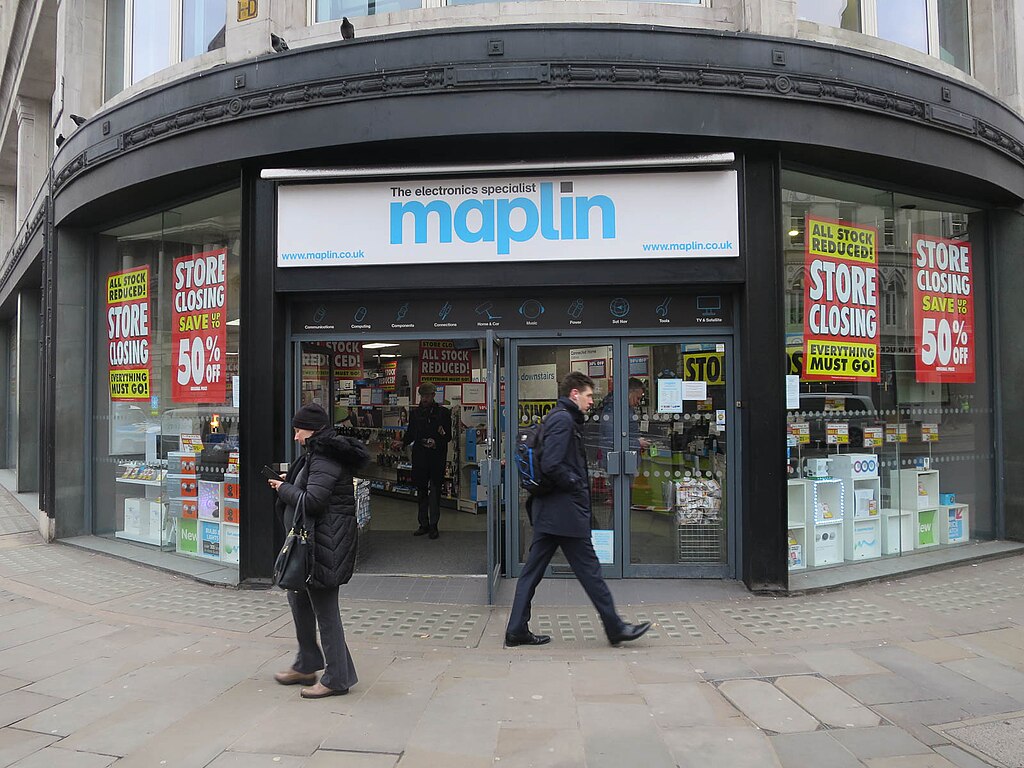
Maplin was the go-to place for electronics, computing gadgets and tech supplies throughout the 1980s and beyond. They had everything from cables to computers and were particularly beloved by tech enthusiasts and people looking for specialist equipment. The company struggled to compete with online retailers and high street chains like Currys, and eventually went into administration. All Maplin stores closed in 2018, leaving a gap for people who liked to browse tech in person before buying.
JJB Sports
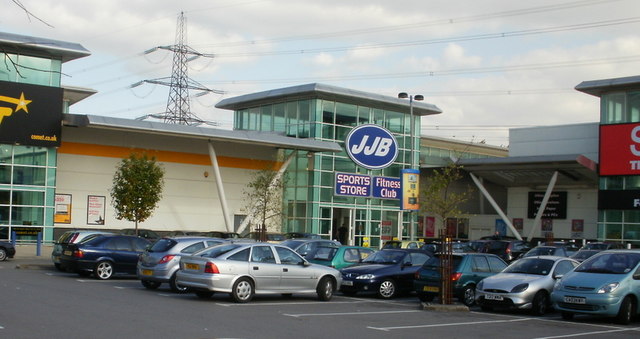
JJB Sports was one of the biggest sports retailers on the UK high street, competing directly with stores like Sports Direct and Foot Locker. They stocked trainers, sportswear, and equipment for everything from football to fitness, and had a loyal customer base. The business struggled financially and went into administration, with all stores closing down in 2017. For decades, though, it was a popular destination for anyone needing sports gear or the latest trainer releases.
Somerfield
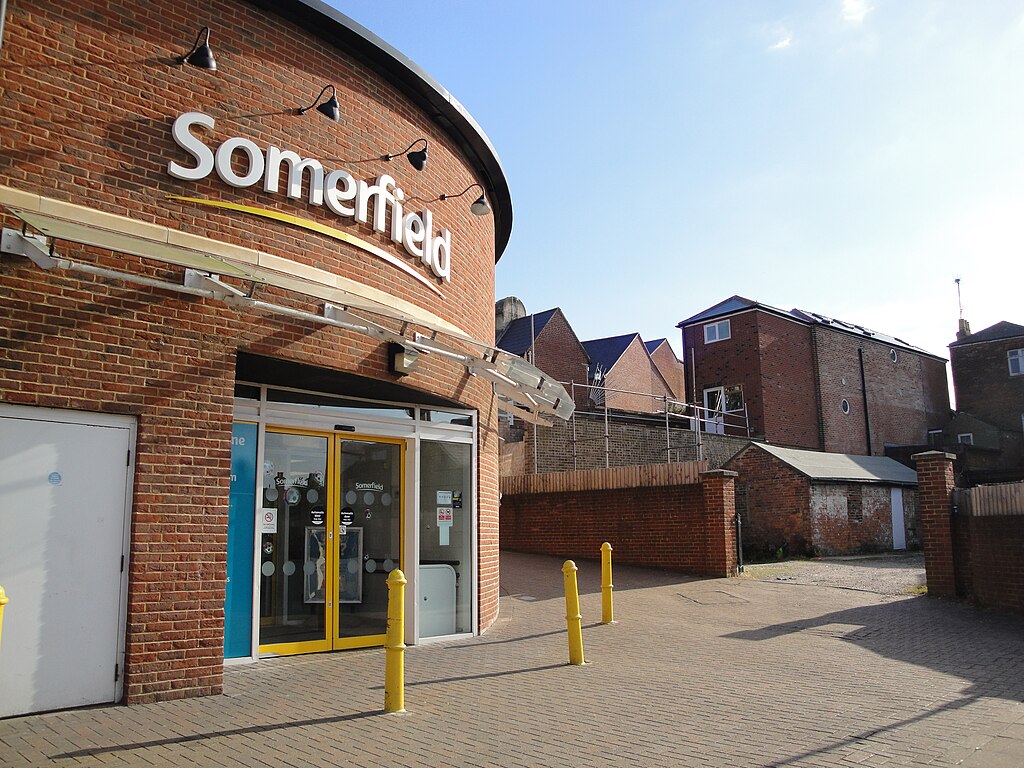
Somerfield was a supermarket chain that operated across the UK and became part of people’s weekly shopping routines. The stores were smaller than some competitors, but had a loyal following in their local communities. The company was bought out and stores were eventually converted or closed, with Somerfield officially ceasing to exist in 2013. Many people remember it as a convenient local option before the big supermarkets took over completely.
BrightHouse
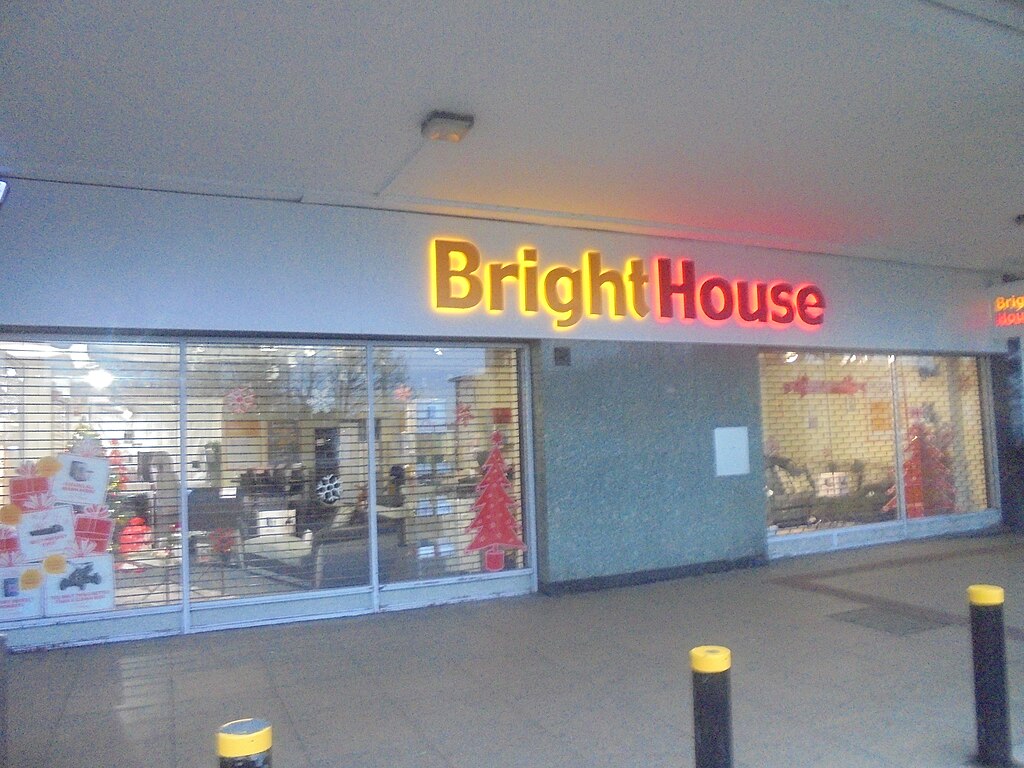
BrightHouse specialised in rental purchase agreements for furniture, electronics, and appliances, offering people ways to own items through weekly payments. The business model attracted customers who couldn’t afford large upfront purchases, but the high interest rates and complaints about the company’s practices grew. BrightHouse closed all its stores in 2020 after struggling with competition and changing regulations around buy-now-pay-later services. However, for many years, it was a familiar sight on high streets across the country.
Blockbuster
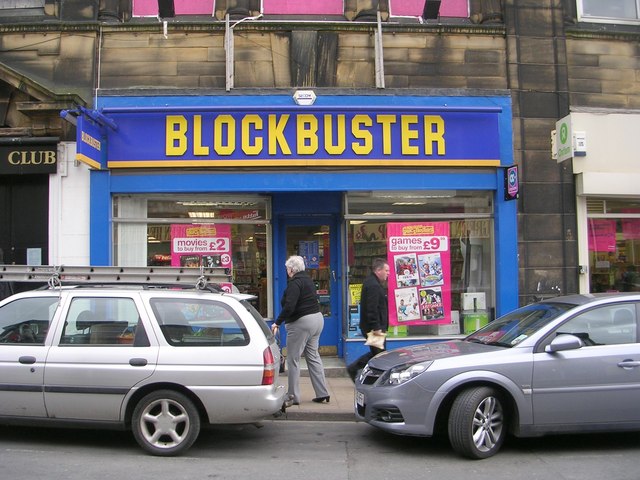
Blockbuster was where you went to rent films on VHS and later DVD, and had stores in virtually every town centre in the UK. Friday nights often meant a trip to Blockbuster to pick out films for the weekend, making it a cultural icon for a generation. Streaming services completely changed how people watch films and Blockbuster couldn’t compete, closing its final UK stores in 2014. It remains one of the most missed retailers from that era.
Kwik Save
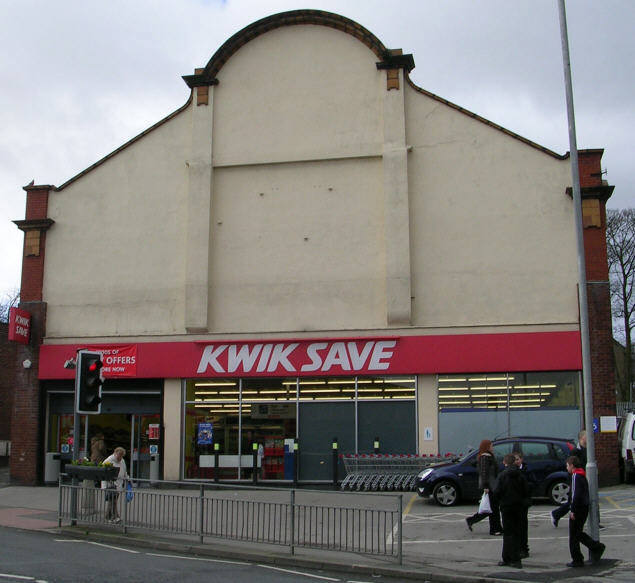
Kwik Save was a budget supermarket chain that offered cheap groceries and was popular with families watching their spending. The stores were smaller discount options before the rise of Aldi and Lidl, and they served their purpose well in local communities. The chain gradually closed through the 1990s and early 2000s, with the last stores shutting by around 1997. Many people remember it as their first experience with discount supermarket shopping.
Wilko
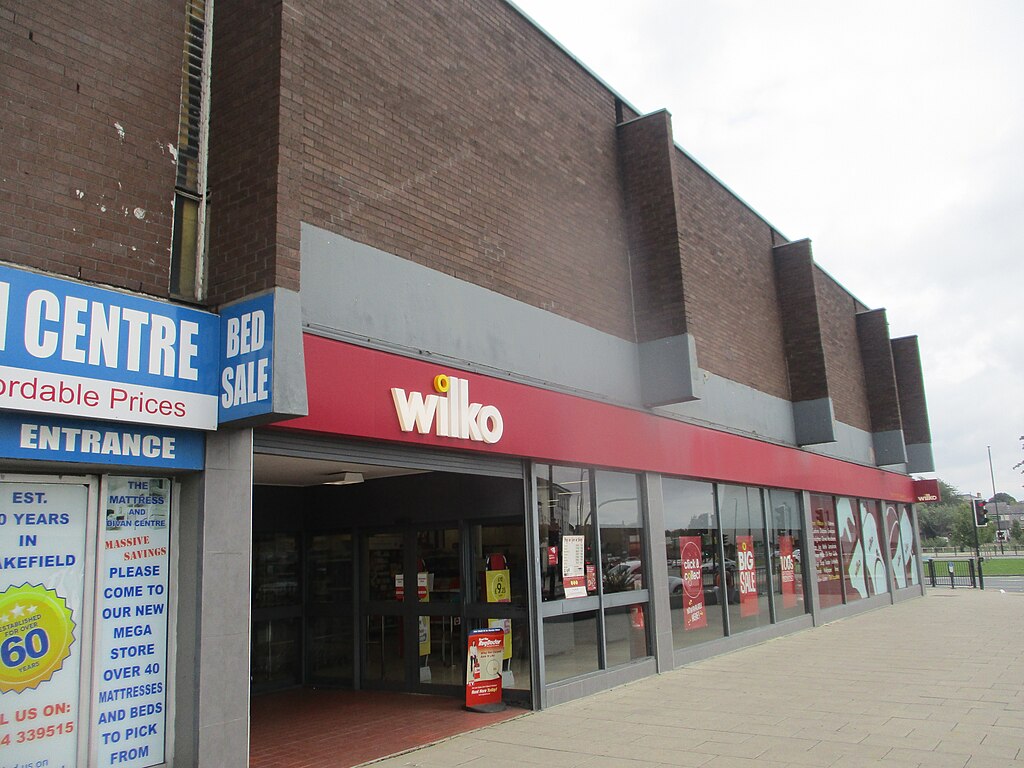
Wilko was a beloved variety store selling everything from homeware to toys, stationery to gardening supplies and pet products. The chain had been around for generations and felt like an institution on British high streets, with people popping in for random bits they needed. Despite its popularity, Wilko couldn’t survive the shift to online shopping and financial pressures, closing all stores in 2023. The loss felt particularly sad given how long the company had been part of British retail.
Netto
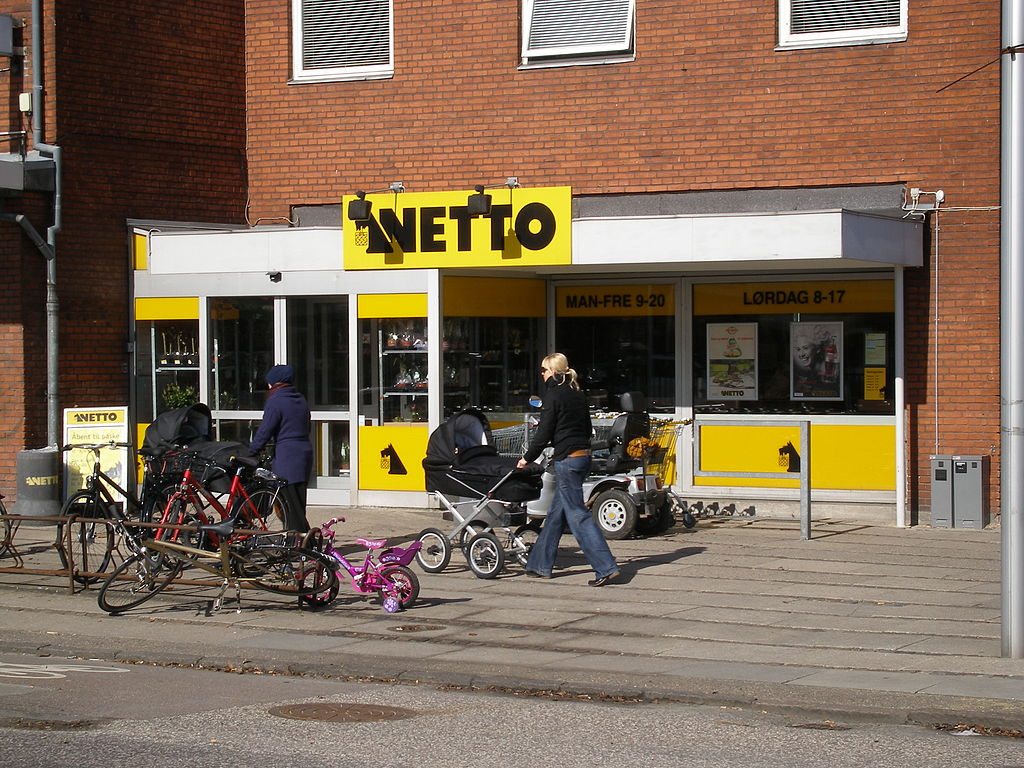
Netto was a discount supermarket that offered cheap shopping for budget-conscious families and individuals across the UK. The Danish chain brought its no-frills approach to British high streets and built a following among people looking to save money on groceries. The company withdrew from the UK market and all stores closed in 2010, though the brand had already been losing ground to other discount retailers. It served its purpose as a cheap alternative while it lasted.
Thomas Cook
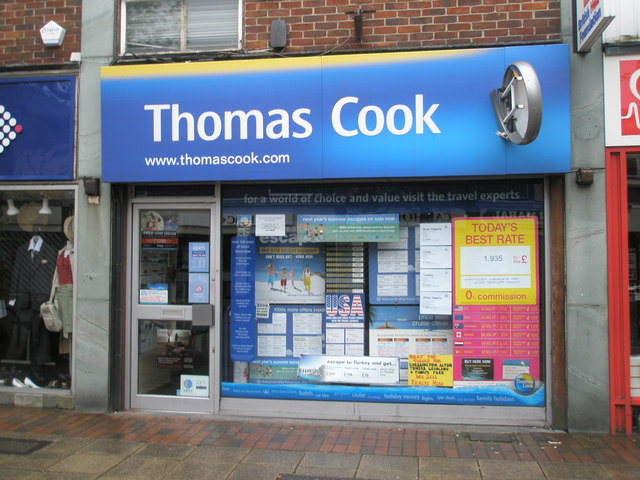
Thomas Cook was a legendary travel agency that helped millions of Britons book holidays, flights, and package deals for decades. Having a Thomas Cook on the high street meant you could go in person to plan trips and get expert advice on destinations. The company went into administration suddenly in 2019, shocking the nation and leaving thousands of people abroad on their holidays. It marked the end of an era for traditional travel shopping on the high street.
Comet
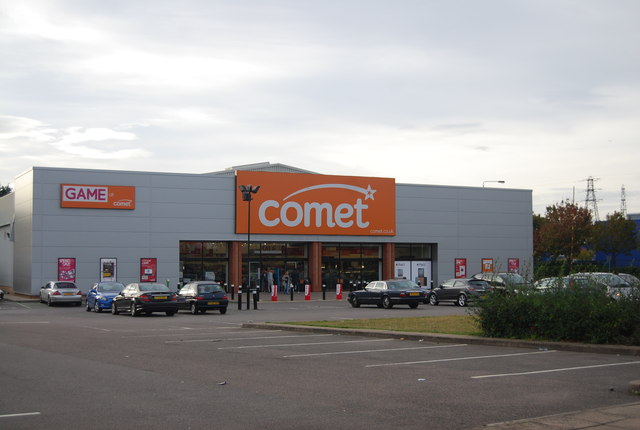
Comet was an electronics retailer selling computers, cameras, televisions, and all sorts of tech gadgets to British customers. The store was popular for browsing the latest technology and getting advice from staff who knew their products well. Comet collapsed financially and closed all its stores in 2012, unable to compete with online retailers and supermarkets selling electronics cheaply. Tech shopping moved online after this and never really came back to the high street in the same way.
Poundworld
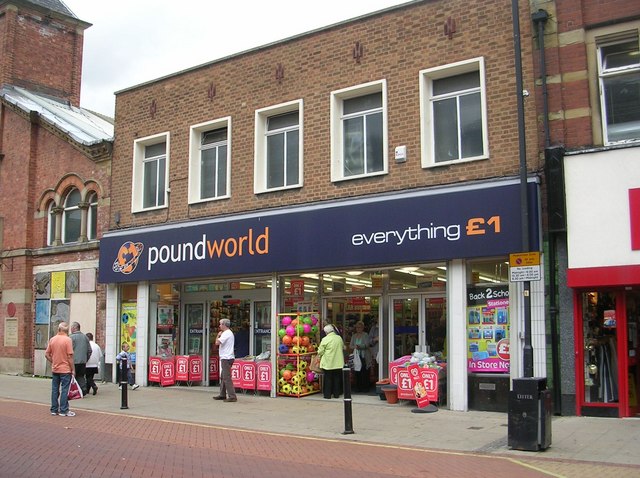
Poundworld was a pound shop selling everything for £1, attracting bargain hunters and people looking for cheap household items and gifts. The chain expanded rapidly across the UK and seemed like a permanent fixture on every high street. The business went into administration and stores closed in 2018 after struggling with changing consumer habits and increased competition from bigger discount retailers. It was a popular spot for picking up bits and pieces without breaking the bank.
Barratts
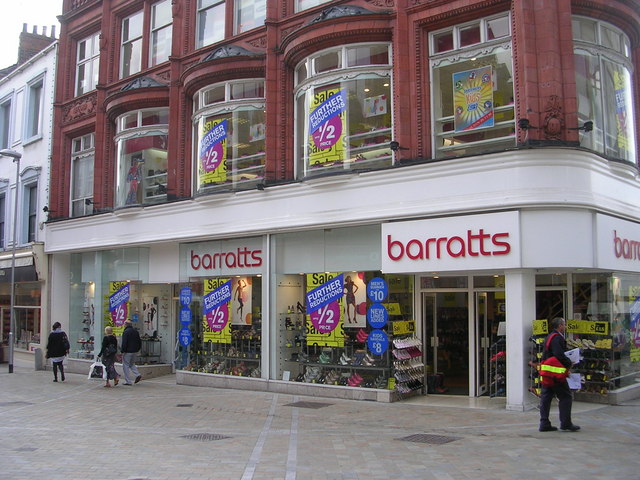
Barratts was a shoe shop that had been selling footwear to British customers since way back, becoming a familiar name for school shoes and everyday wear. Families would go to Barratts when their kids needed new shoes fitted properly, trusting the staff’s expertise. The chain couldn’t adapt to changing shopping habits and closed all stores in 2006, marking the end of an era for traditional shoe shopping. Many people remember their first school shoes coming from Barratts.
Woolworths
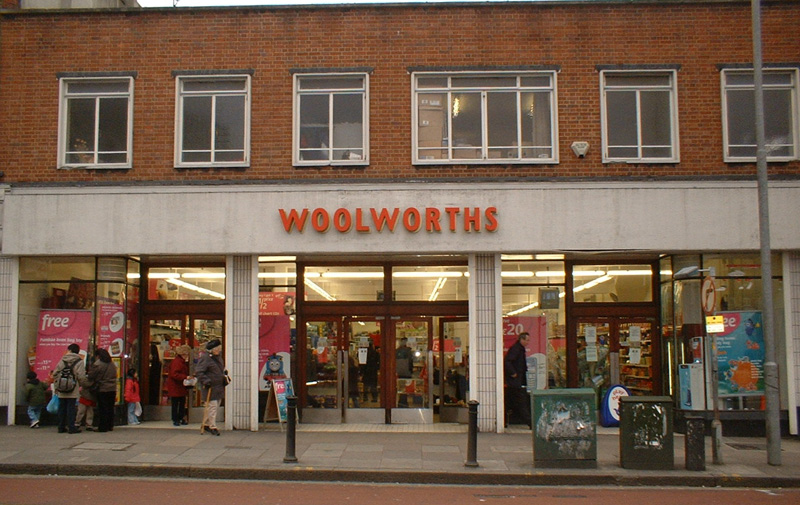
Woolworths was an institution on British high streets, selling everything from sweets to toys, records to household bits and pieces. It was a treasure trove of random stuff and felt like a place where you could find anything, making it beloved by generations of shoppers. Woolworths collapsed during the financial crisis and all stores closed in 2009, representing a huge loss to the retail landscape. The stores were iconic, and their disappearance left real gaps in town centres.
Safeway
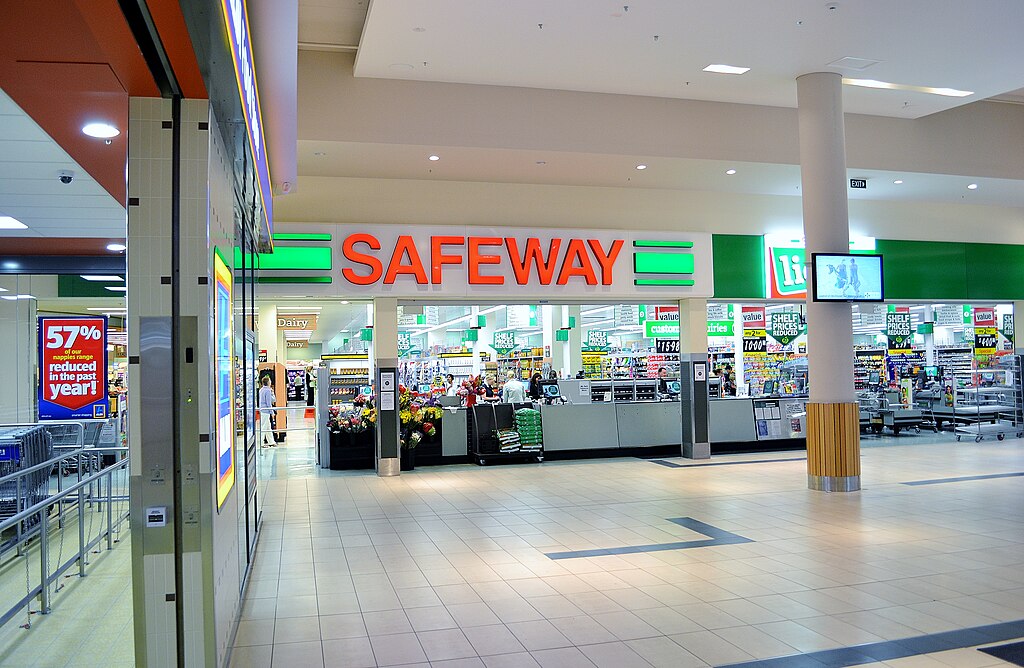
Safeway was a supermarket chain that competed with the big four and had loyal customers in its local communities across the UK. The stores offered a decent range and reasonable prices, making weekly shopping straightforward for many families. Safeway closed in 2004 after being unable to compete with larger supermarket chains and changing market conditions. It was a familiar stop for people’s grocery shopping before consolidation changed the supermarket landscape entirely.
BHS
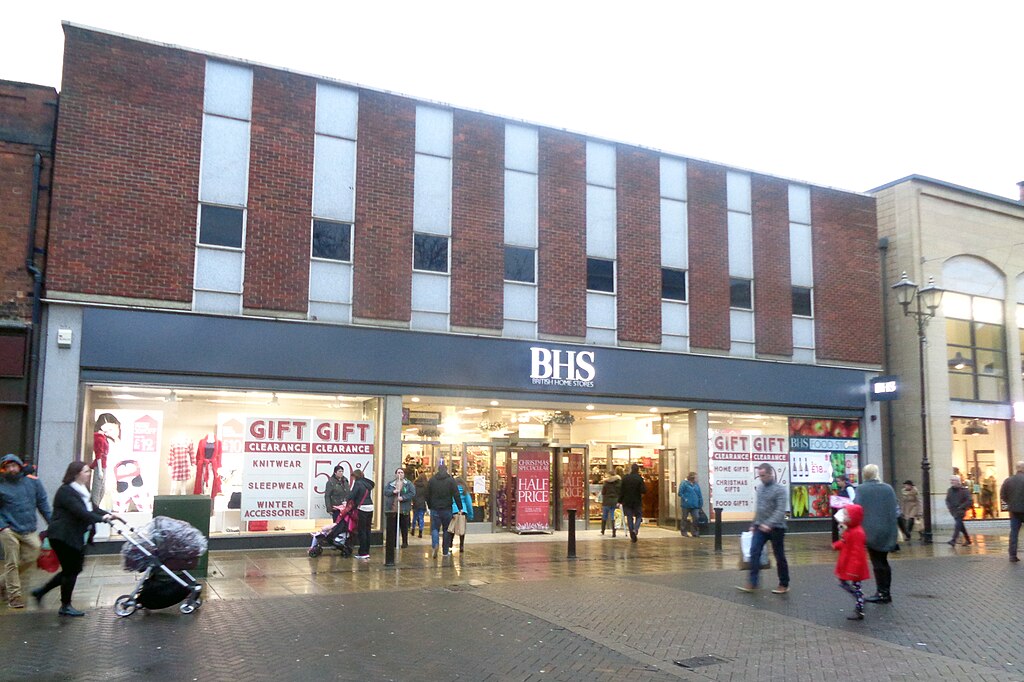
BHS was a department store that sold clothing, shoes, homeward and beauty products, serving as a general shopping destination for decades. High streets wouldn’t have felt complete without a BHS store, and it was particularly popular for school uniforms and everyday clothing. The company went into administration and all stores closed in 2016 after struggling financially and facing competition from online retailers. Its closure marked the end of a major era for department store shopping on British high streets.
Homebase
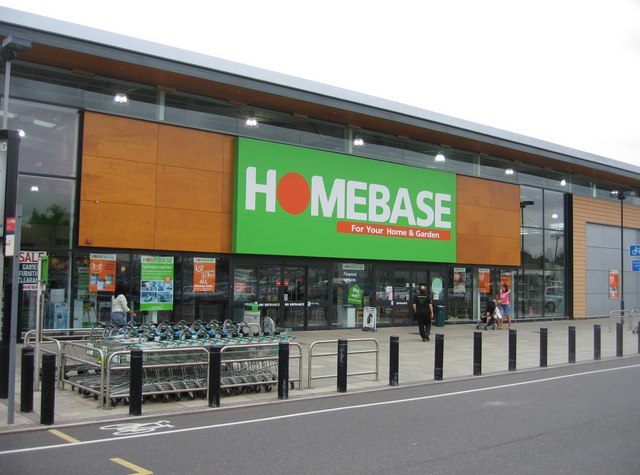
Homebase was a home improvement and garden centre where people went to find tools, paint, garden furniture and everything needed for home projects. The stores were popular destinations for anyone tackling DIY or wanting to refresh their garden and home. Many Homebase stores closed over the years, with the chain significantly reduced from its peak, though some locations still operate in a limited capacity. It was a go-to place for serious and casual DIYers alike.
Mothercare
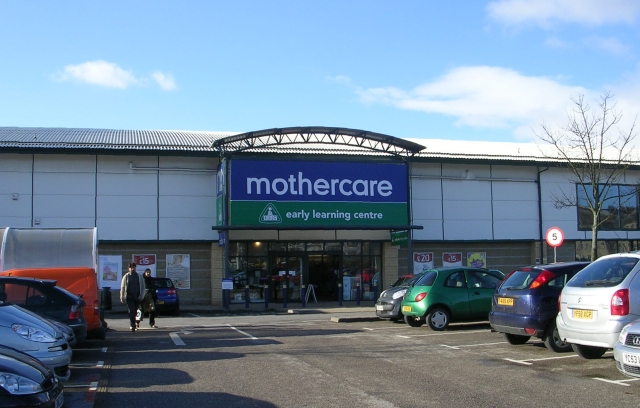
Mothercare specialised in baby and children’s products, selling everything from prams to clothing, toys and nursery furniture to expectant parents and families. The store was a trusted destination for people shopping for babies and young children, offering advice and quality products. Mothercare closed all its UK stores in 2020 after struggling with online competition and changing shopping habits among parents. It had been a staple on high streets for families with young children for many years.