At first glance, putting Keir Starmer and Donald Trump in the same sentence sounds ridiculous.
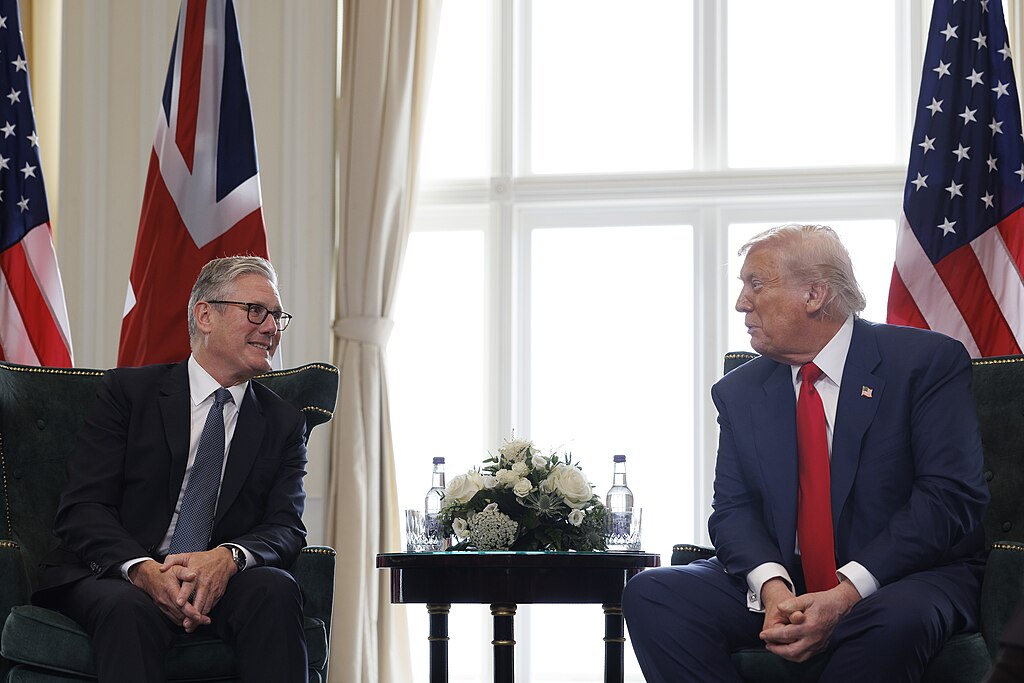
They’re from different countries, have different politics and personalities, and are just nothing alike… or so we think. One comes across as controlled and lawyerly, the other built an entire brand around chaos and provocation. Most people would struggle to see any overlap at all.
However, when you step back from style and tone, some parallels start to emerge in how they operate, relate to power, and how they position themselves to the public. These similarities don’t mean they’re aiming for the same outcomes or appealing to the same voters. They sit more in approach than ideology, and once you notice them, they’re harder to ignore than you might expect.
1. Both came to political power later in life.
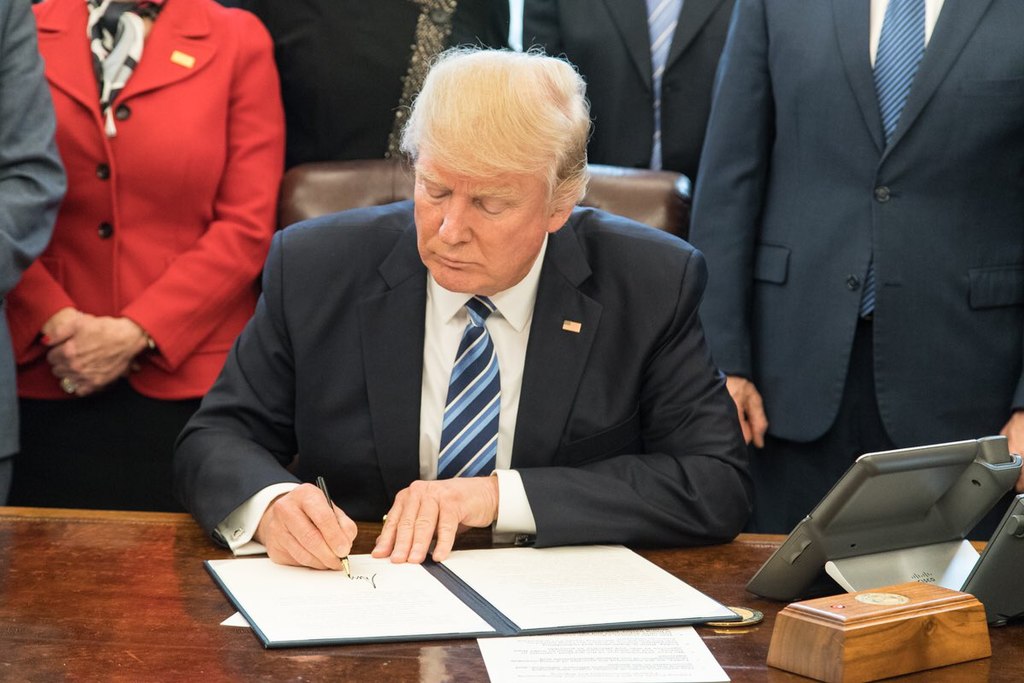
Starmer was 52 when he was first elected to Parliament in 2015, making him a relative latecomer to electoral politics. Trump was 70 when he won the presidency in 2016, becoming the oldest person ever elected to a first term at that time. Neither followed the traditional path of climbing political ladders from their twenties, which gave them both an outsider’s perspective when they finally arrived.
2. Both had successful careers before entering politics.
Starmer spent decades as a barrister and human rights lawyer, becoming Director of Public Prosecutions and earning a knighthood for his work in criminal justice. Trump built a real estate empire and became a household name through branding and reality television. Both leveraged their professional reputations and name recognition when they eventually moved into politics, rather than building careers as party insiders.
3. Both entered as political outsiders.
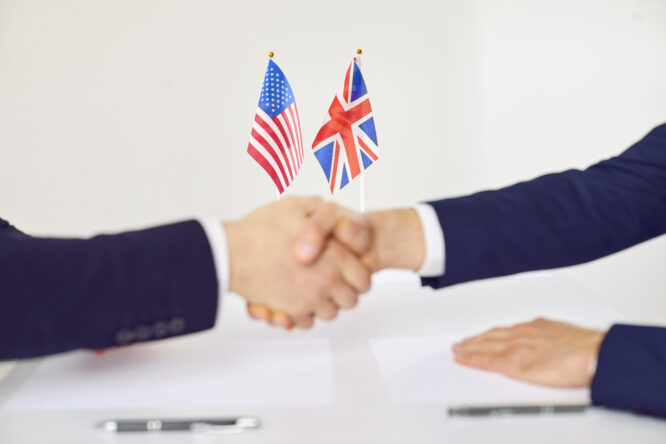
Trump presented himself as a businessman who’d never held elected office, running against the political establishment and career politicians. Starmer, while a Labour member, was new to Parliament and hadn’t spent years working his way up through party ranks. Both benefited from being seen as fresh alternatives to the existing political class, even if Starmer’s outsider status was less pronounced than Trump’s.
4. Both won decisive electoral victories.
Labour’s 2024 landslide gave Starmer a 174-seat majority in Parliament, ending 14 years of Conservative rule. Trump won all seven swing states in 2024 and secured 312 electoral votes, though his popular vote margin was narrow. Both victories were framed as mandates for change, regardless of the underlying numbers, and both leaders have governed as if they received overwhelming public backing.
5. Both emphasise winning and results over ideology.
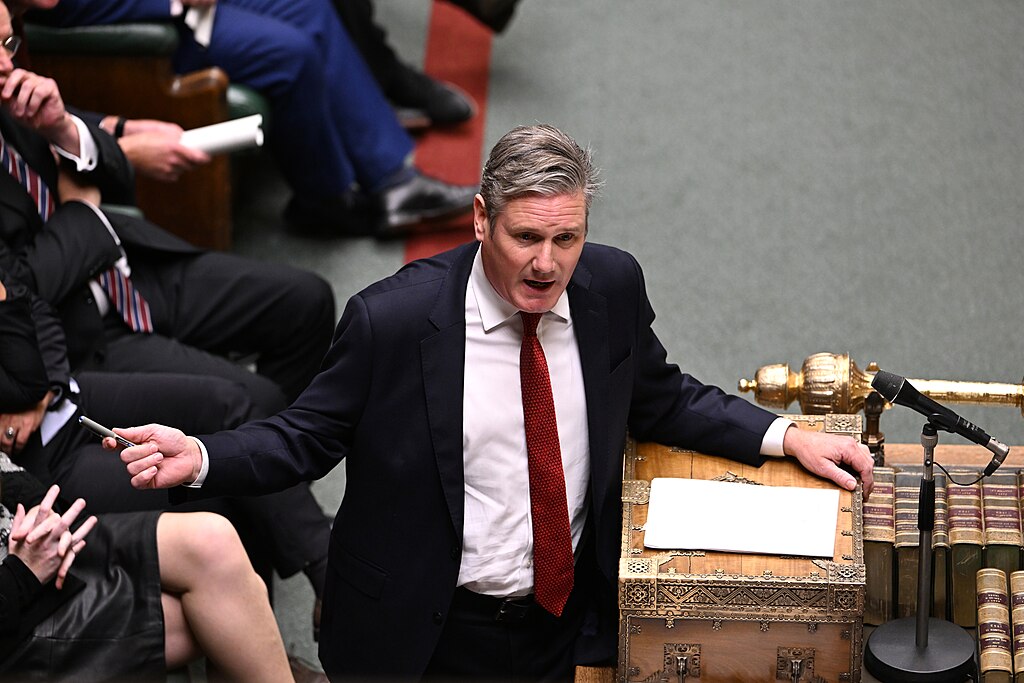
Starmer acknowledged this directly when meeting Trump, saying “what counts is winning” and “if you don’t win, you don’t deliver.” Both leaders prioritise practical outcomes over ideological purity, which has frustrated purists in their respective parties. They’re more interested in being seen as effective than being seen as faithful to every party principle.
6. Both have adopted similar business-like rhetoric.
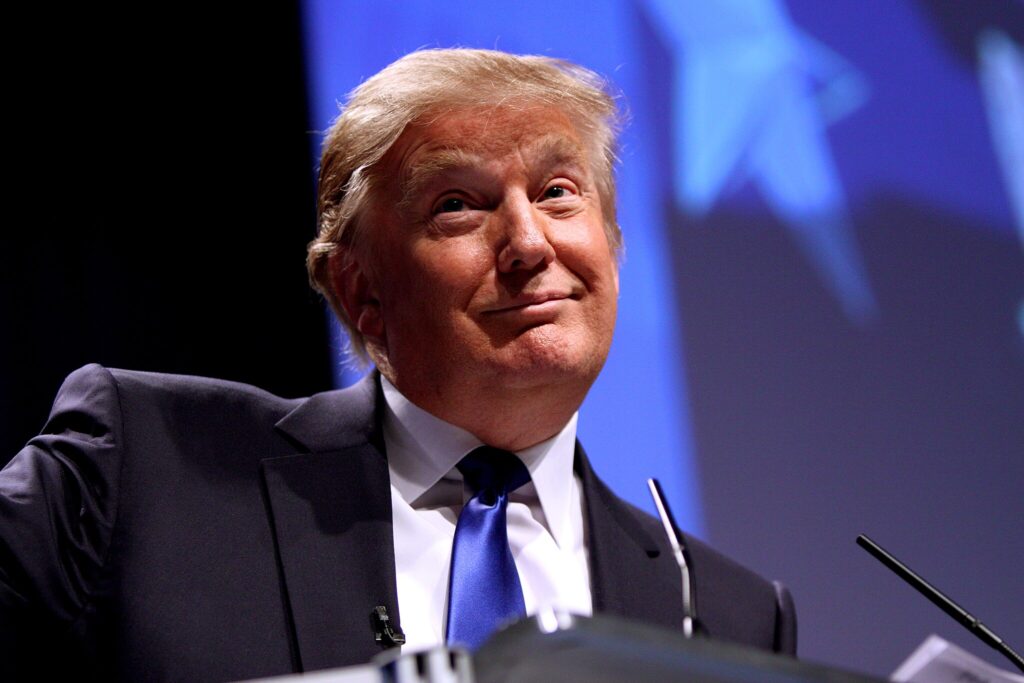
Starmer pledged to “cut the weeds of regulation” and described his nuclear power approach as “build, baby, build,” directly echoing Trump’s “drill, baby, drill” slogan. He’s also criticised civil servants using language similar to Trump’s “drain the swamp” rhetoric, saying he won’t accept a “tepid bath of managed decline.” This borrowing of Trumpian phrasing has been noted by political observers as Starmer attempts to project decisive, business-focused leadership.
7. Both are dealing with immigration as a central issue.

Trump built his political brand on strict immigration enforcement and border security, making it his signature issue. Starmer has shifted Labour toward harder-line immigration policies, partly in response to the threat from Nigel Farage’s Reform UK party. Both see immigration as politically crucial, though they approach it from different angles and with different solutions.
8. Both face challenges from far-right populist movements.

Reform UK, led by Nigel Farage (often called “Trump with a pint”), poses a genuine threat to Starmer’s electoral coalition by pulling working-class voters rightward. Trump faced similar pressure from within his own party from more extreme elements, though he eventually absorbed and redirected that energy. Both leaders must navigate the political space between traditional centre-ground politics and the pull of populist right-wing movements.
9. Both emphasise their working-class roots.
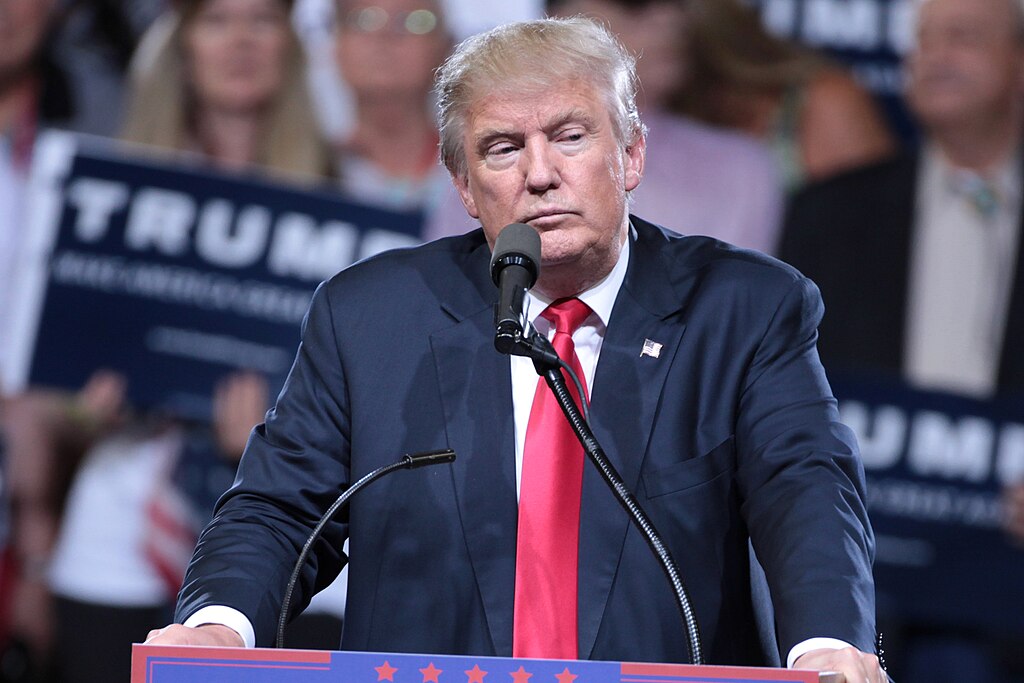
Starmer frequently mentions his father worked as a toolmaker in a factory and his mother was a nurse, positioning himself as the first in his family to attend university. Trump, despite his wealth, positions himself as speaking for working-class Americans and understanding their economic struggles. Both use their backgrounds to claim authenticity and connection to ordinary voters, even though their adult lives have been quite different.
10. Both prioritise pragmatism and deal-making.

Trump’s entire persona revolves around being a deal-maker, emphasising negotiation and transactional relationships. Starmer, trained as a lawyer and prosecutor, similarly approaches politics as a series of problems requiring practical solutions rather than ideological battles. Both are willing to change positions if it serves their strategic interests, which critics call flip-flopping, but supporters see as flexibility.
11. Both have complicated relationships with their party establishments.
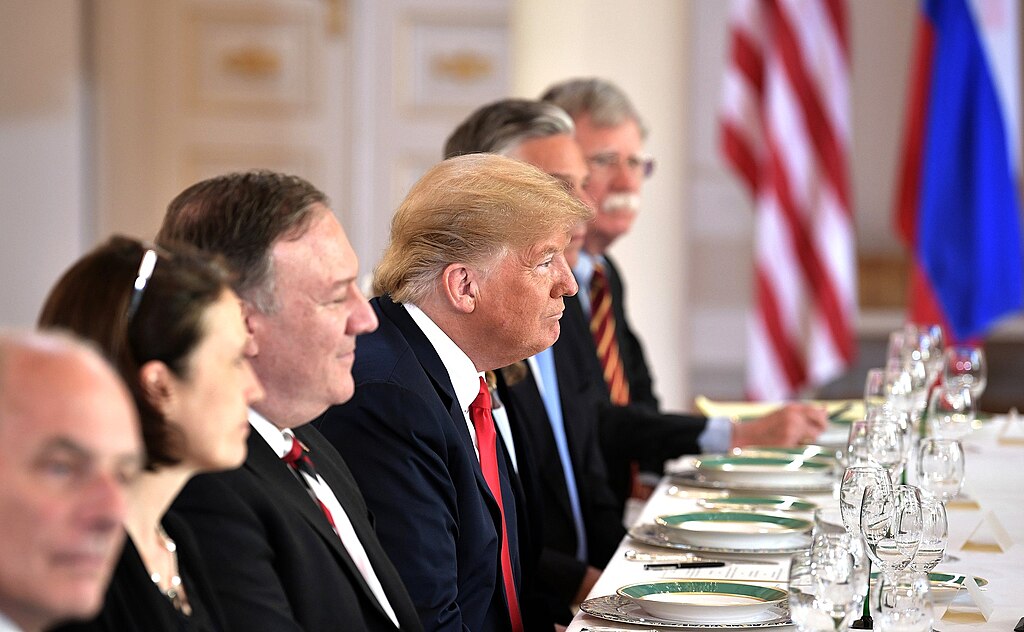
Trump took over the Republican Party from the outside and remade it in his image, often clashing with traditional conservatives. Starmer pulled Labour back from Jeremy Corbyn’s far-left leadership and positioned it in the centre, alienating the party’s socialist wing. Neither leader is loved by party purists, but both proved effective at winning elections by broadening their appeal beyond the traditional base.
12. Both are focused on securing favourable trade agreements.
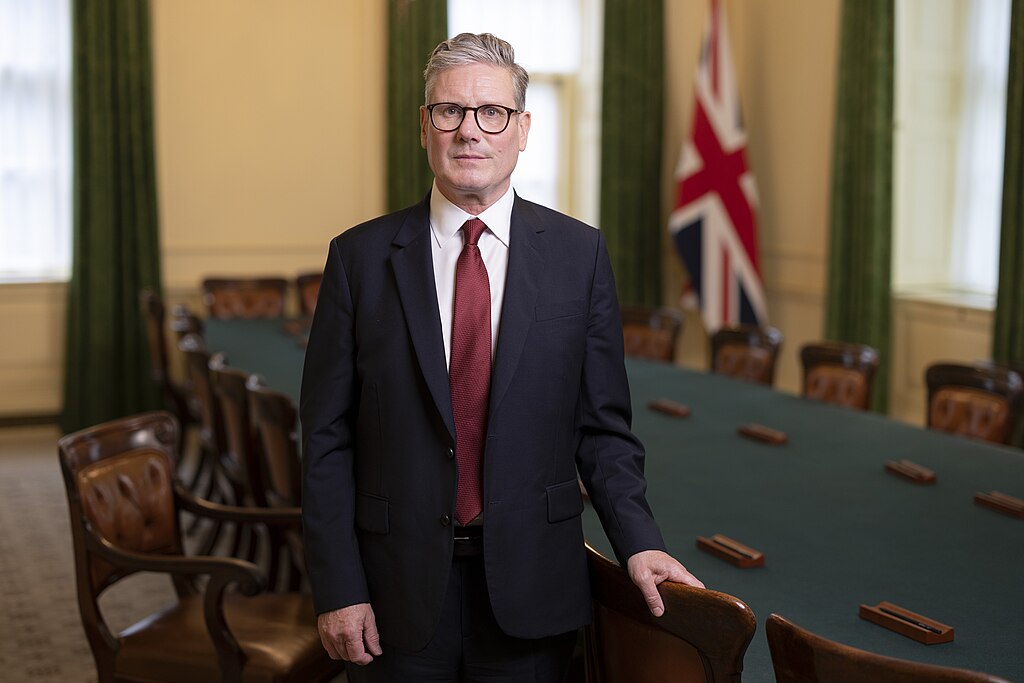
Trump and Starmer have worked on UK-US trade negotiations, with both emphasising the economic benefits of a deal. Starmer secured what’s been called the best tariff deal of any of America’s trading partners, avoiding the steep tariffs Trump threatened other countries with. Both present themselves as skilled negotiators who can deliver economic benefits for their countries through direct dealmaking.
13. Both lead during a period of political volatility.
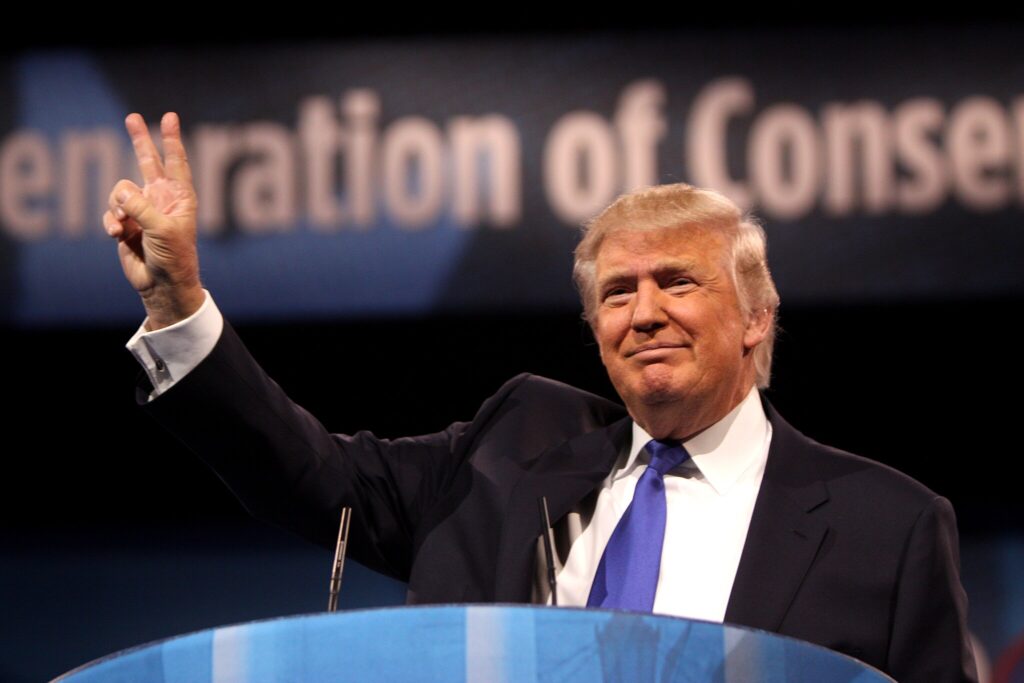
Trump’s 2024 victory marked the third consecutive US election where voters threw out the incumbent party, something that hadn’t happened since the late 1800s. Starmer’s win ended 14 years of Conservative government, reflecting similar voter frustration with the status quo. Both are governing in an era where traditional political alignments are breaking down and voters are more willing to dramatically change direction.
Despite their vastly different political philosophies, Starmer and Trump both represent a shift toward leaders who prioritise effectiveness over ideology. They’re products of an era where voters want results more than party loyalty, and where political outsiders can quickly rise to the top by promising to shake things up.