The question comes up a lot, and not just during elections or referendum anniversaries.
It gets asked in pubs, online, at family dinners, and usually with a mix of genuine curiosity and mild exasperation. Why does independence still have such a pull for so many people in Scotland, even after everything that’s already happened?
The answer isn’t down to one grievance or one romantic idea about going it alone. It’s rooted in history, identity, money, and a long-running sense that decisions affecting Scotland often get made elsewhere, by people who don’t have to live with the consequences. For some, independence feels like a practical route to more control. For others, it’s about dignity, voice, and finally being taken seriously. The reasons clash and evolve, which is why the debate never really goes away.
Scotland votes differently, but gets what England chooses.

England makes up 84% of the UK population, so Scottish constituencies rarely affect general election outcomes. Since 1955, Scotland has been governed by parties it didn’t vote for more often than not. The Conservatives currently have just one Scottish MP yet controlled Westminster for 14 years until 2024, making decisions for a country that overwhelmingly rejected them. This democratic deficit feels particularly acute when your vote genuinely doesn’t matter in determining who runs your country.
Brexit happened despite Scotland voting 62% to stay.

The 2016 EU referendum crystallised the problem perfectly. Every single Scottish council area voted Remain, with 62% wanting to stay in the EU, compared to England’s 46.6%. Scotland got dragged out anyway, and research shows attitudes towards Brexit are now deeply intertwined with independence views. Those who backed Remain are three times more likely to support independence than Brexit voters because it proved Scotland’s voice can be completely ignored on major constitutional issues.
The values gap between Scotland and England keeps widening.

Scotland consistently votes more left-wing than England. The Conservatives dominated UK politics from 2010-2024 but never had meaningful support in Scotland, where Labour, SNP, and other centre-left parties dominate. This isn’t just about party preference but reflects fundamentally different priorities around public services, social welfare and the role of government. When the political cultures of two places diverge this sharply, staying in the same political unit becomes harder to justify.
Independence offers a route back into the EU.
For many Scots, particularly younger voters, EU membership matters enormously. An independent Scotland would likely seek to rejoin the EU, reversing what they see as a catastrophic decision. When asked to choose between being in the UK outside the EU or in the EU outside the UK, significant majorities say Scotland would be better off in most policy areas by choosing EU membership over the UK union.
Westminster keeps overruling Scottish Parliament decisions.
The UK Government has increasingly interfered in devolved matters since Brexit. In 2023, Westminster used Section 35 powers for the first time ever to block the Gender Recognition Reform Bill that passed the Scottish Parliament 86-39. The UK Internal Market Act 2020 deliberately restricts what the Scottish Parliament can do, even in areas supposedly under its control. This feels less like a partnership and more like Westminster asserting dominance whenever it disagrees with Scottish choices.
Scotland could set its own immigration policy.

Westminster’s hostile immigration stance directly conflicts with Scotland’s needs. Brexit closed migration routes that rural Scotland desperately relies on for NHS and social care workers. An independent Scotland could create immigration policies suited to its demographic challenges and labour shortages, rather than having England’s very different priorities imposed on it. The inability to attract necessary workers is genuinely damaging Scotland’s economy and public services.
Control over natural resources would stay in Scotland.
Scotland possesses substantial energy resources, from North Sea oil to renewable energy potential from wind and tides. Independence supporters argue these resources should primarily benefit Scotland, rather than funding UK-wide priorities determined by England’s larger population. With full control over energy policy, Scotland could more effectively transition to renewables while keeping the economic benefits and using them to tackle fuel poverty domestically.
They have a different approach to public services and austerity.
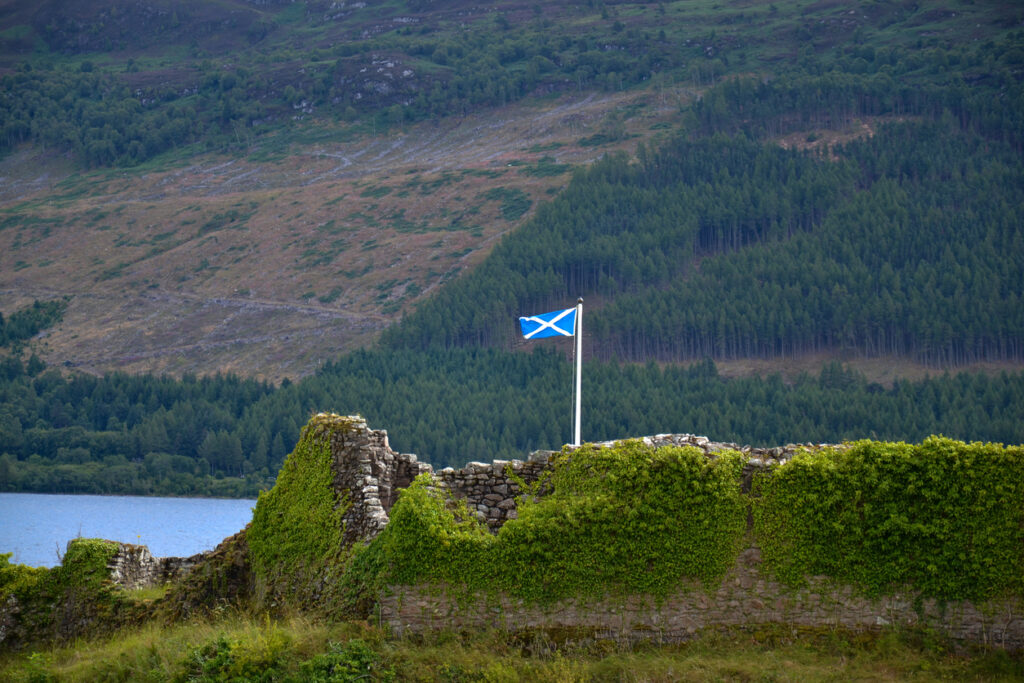
Scotland has had to spend money mitigating Westminster policies it disagrees with, like reinstating winter fuel payments after Labour cut them UK-wide. Research suggests Brexit-related economic damage cost the UK £40 billion in tax revenue by 2024, reducing capacity to invest in the NHS. Independence would allow Scotland to make its own decisions about public spending priorities without having to counter policies imposed from Westminster that don’t match Scottish values.
The voting system at Westminster is fundamentally broken.
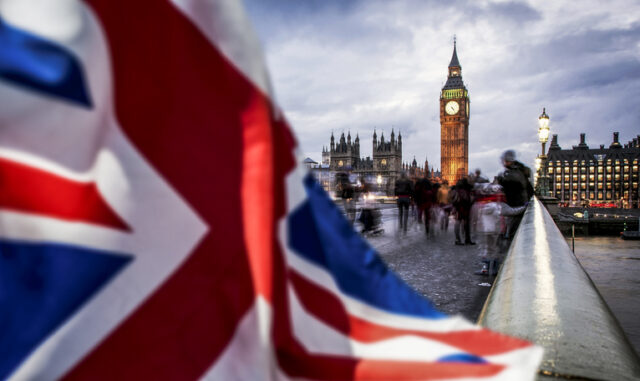
First-past-the-post produces wildly disproportionate results in Scotland. In 2019, 68.5% of Scottish votes didn’t contribute to the result, either going to losing candidates or being surplus to what winners needed. The SNP won 81% of seats on 45% of votes. Scotland uses proportional representation for Holyrood and local elections, which produces results that actually reflect how people voted, so the Westminster system feels particularly archaic and unfair.
The House of Lords can overrule Scotland’s elected Parliament.

An entirely unelected chamber of 764 people, including hereditary peers and bishops, can vote to change laws affecting Scotland and override decisions made by the democratically elected Scottish Parliament. This medieval institution has no place in a modern democracy, yet Scotland can’t reform or abolish it without Westminster’s permission. The fundamental unfairness of having laws made by people nobody voted for sits uncomfortably with democratic principles.
Scotland would always get the governments it actually votes for.
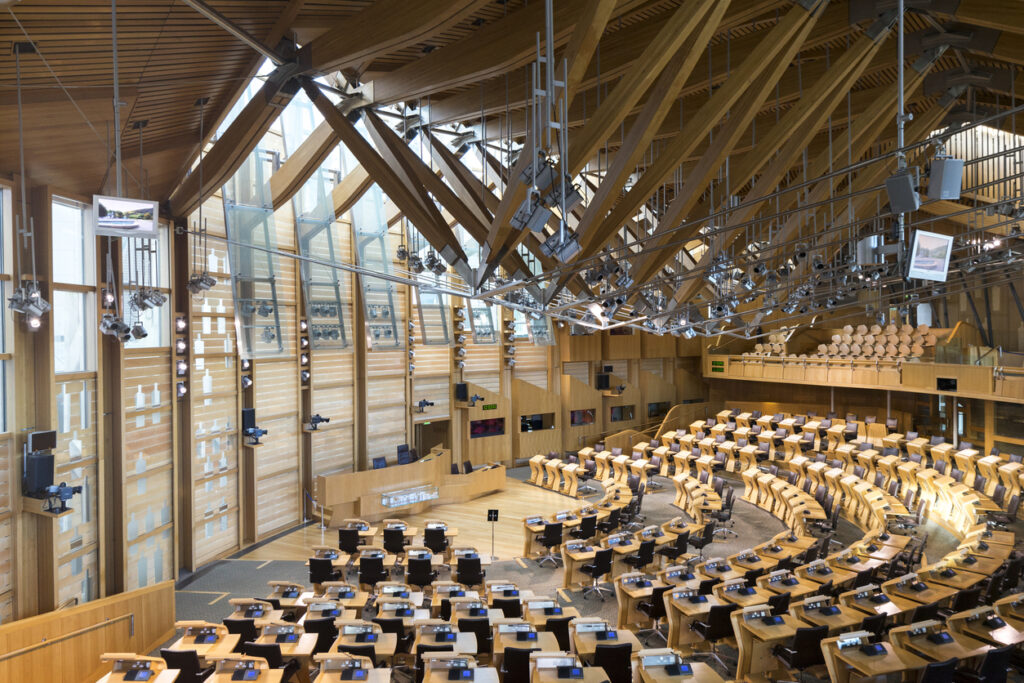
This is the core democratic argument. With independence, every government would be one that Scottish voters chose and could vote out if they wanted. No more Conservative governments with one Scottish MP making decisions for millions of Scots. No more policies Scotland overwhelmingly rejects being imposed anyway. The people living in Scotland would have full power over their country’s direction, which is the basic principle of democracy.
Younger Scots overwhelmingly back independence.

Among 16-24 year olds, 59% would vote Yes, compared to just 33% voting No. Younger Scots have grown up watching Brexit unfold against their wishes, seeing Westminster ignore Scottish votes, and witnessing the divergence between Scottish and English politics. They’re more comfortable with the idea of independence and less attached to British identity, which means support will likely grow as older unionists are replaced by younger pro-independence voters.
The current system feels increasingly unsustainable.
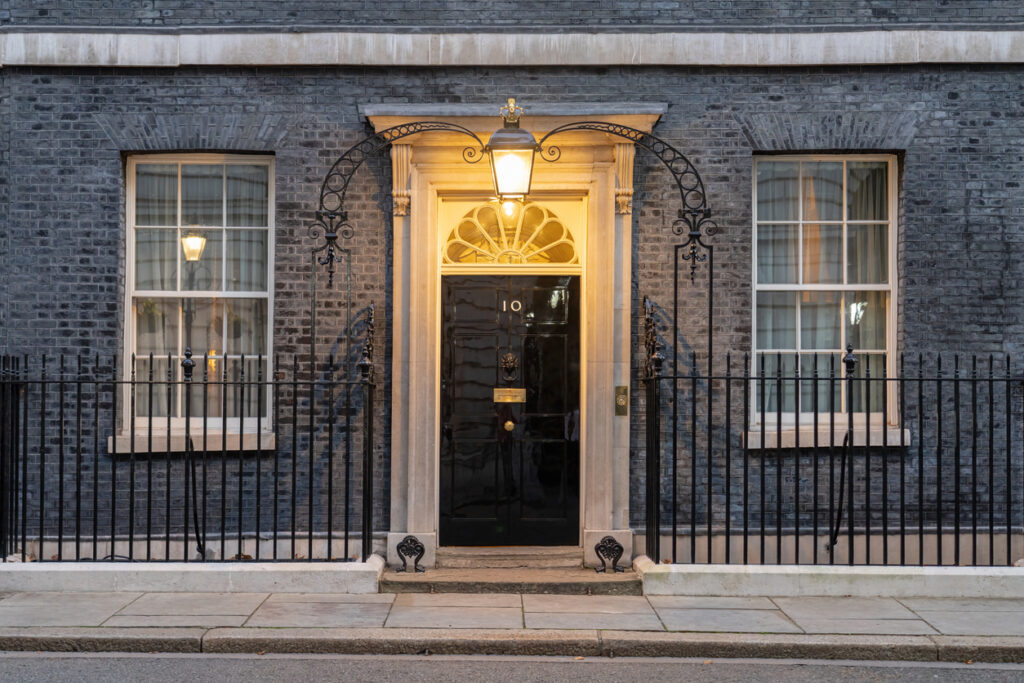
Even some unionists acknowledge the political settlement is unstable. When Scotland consistently votes one way and gets governed by parties it rejected, when Westminster increasingly overrides devolved decisions, and when major constitutional changes happen against Scotland’s wishes, something has to give. The status quo satisfied fewer people with each passing year, and independence offers a clear resolution to what feels like an unworkable arrangement.
These aren’t fringe views held by extremists. They’re concerns shared by roughly half of Scotland’s population, including many who voted No in 2014 but have since changed their minds. Whether independence actually happens depends on Westminster granting another referendum, but the underlying issues driving support aren’t going away.